
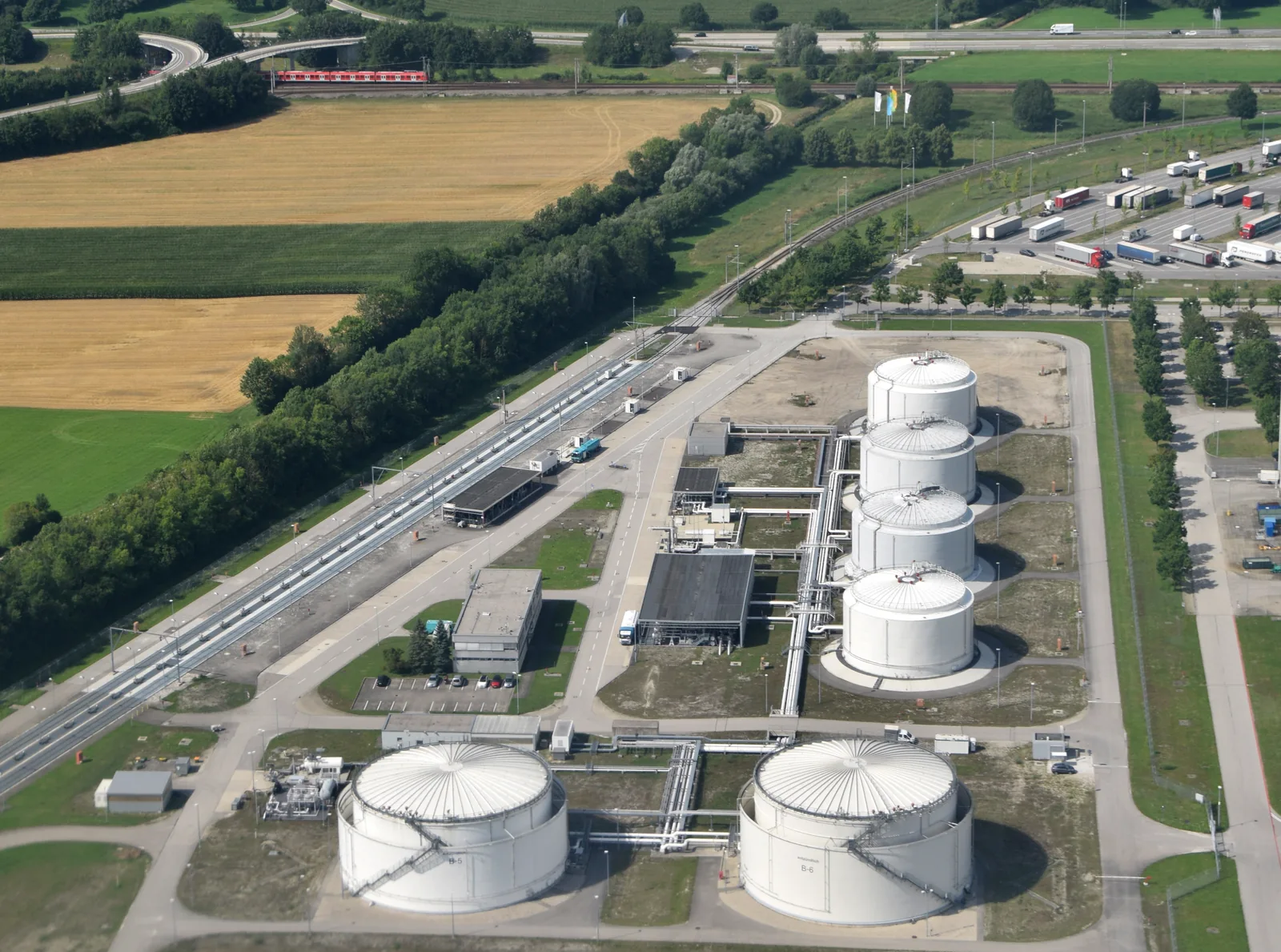
An airport fuel spill can raise questions about cleanup, damage to other property and claims from other people. Review these exposures separately from ordinary property and aviation liability cover.
Describe the substances and activities
List fuel tanks, dispensing equipment, deliveries, waste storage and chemicals. Identify who owns, operates and maintains each system.
Separate cleanup and liability
Ask how the proposal treats cleanup on your premises, damage elsewhere and injury claims. The NAIC environmental insurance overview explains why pollution needs a separate review.
Map the exposed locations
Include leased premises, neighboring property, drains and sites where staff work. Identify each location and the legal entity responsible for it.
Review fuel delivery roles
Explain who supplies the fuel and controls loading, unloading and storage. Supply relevant contracts. Ask how each party’s duties connect to the proposed insurance.
Disclose known conditions
Provide requested information about past releases, investigations and existing contamination. Ask how exclusions, dates and reporting conditions affect the offer.
Keep compliance questions separate
Have qualified specialists assess spill plans, permits and legal duties. Insurance terms do not establish regulatory compliance.
Check leases and contractors
Have counsel review cleanup and indemnity obligations. Ask the insurance contact which terms can be supported by the policy or an endorsement.
Plan for shared premises
A release may involve several tenants or contractors. Record the facts and each party’s role. Responsibility and coverage depend on the agreements, law and policy terms.
Prepare the insurance submission
Gather site plans, tank details, activities, contracts, prior reports and loss history. Identify desired limits and the proposed start date.
Review tank financial responsibility
Underground storage tanks may have specific financial responsibility requirements. Use EPA owner and operator resources and consult the responsible agency about your system.
Record conditions when premises change
Keep site assessments and relevant records when buying, leasing or leaving a location. Review proposed responsibilities before the agreement takes effect.
Keep response and claims contacts ready
Follow emergency plans and required notifications after a release. Contact the insurer under the policy’s instructions. Ask how cleanup costs and consent requirements are handled.
Resolve key coverage questions
Does the offer address existing conditions? Which locations and entities are insured? What triggers cover? What expenses need consent? Record answers in the final documents.
Request an aviation business review
Bring the facility facts and contracts. Review airport liability alongside the environmental exposure, then ask BWI about available commercial insurance options.
Continue Reading

