
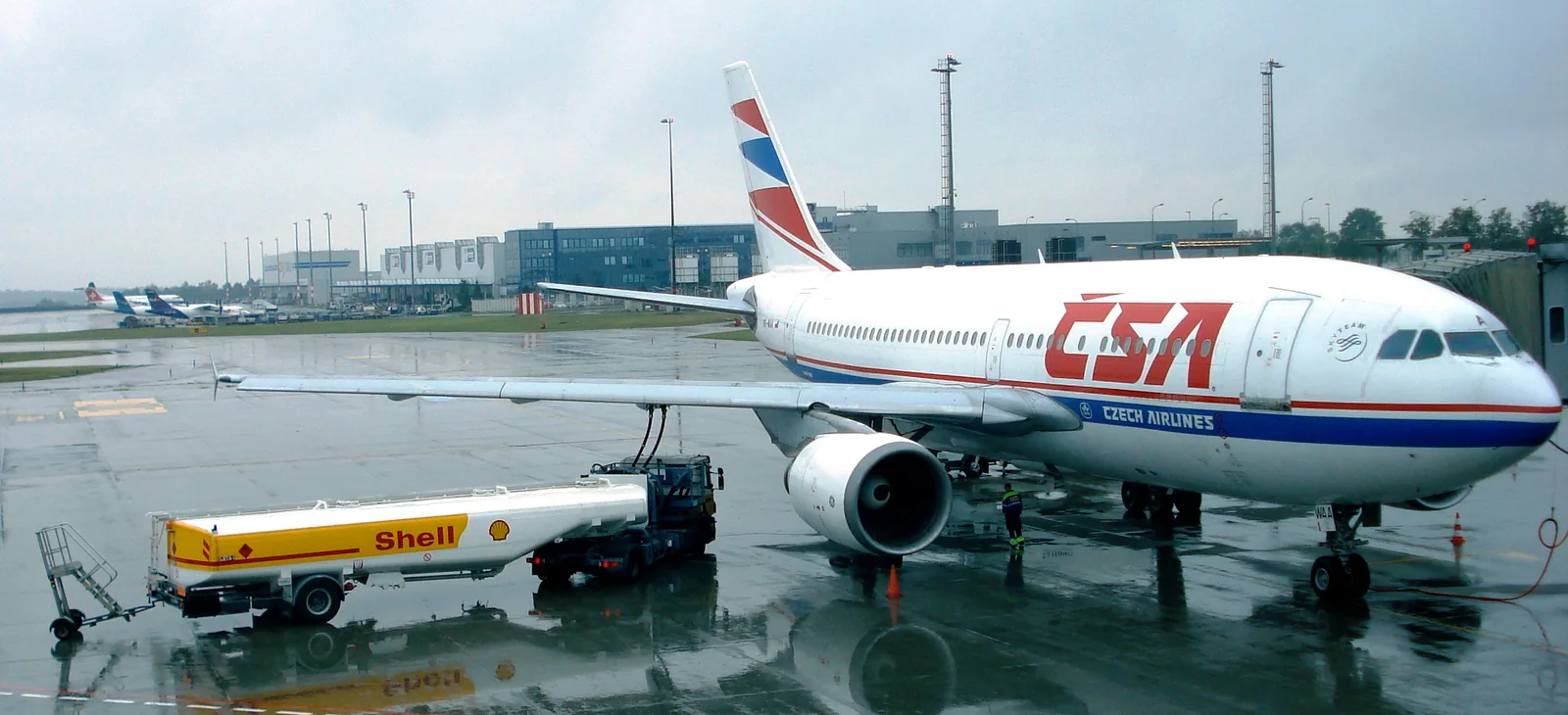
A fuel supplier should describe every stage it controls, from storage and transport to delivery and testing. Those stages can raise different property and liability questions.
Map the operation
Identify the supplier, locations, customers and delivery process. Explain product supply separately from work in progress. Use operating records to describe the facts. A single delivery may affect more than one aircraft, so the review should show the actual distribution chain.
Review separate interests
Provide supplier, airport and customer agreements. List vehicles, tanks and equipment. Discuss environmental allegations, product replacement and customer damage as separate subjects. Explain outside testing and continuing product responsibilities rather than assuming a general liability policy addresses all of them.
Prepare the insurance file
Bring current policies, values, service details and factual loss history. Compare limits, exclusions and accepted activities on consistent facts. Ask which party reports an allegation and through which channel. Report operational changes before relying on the prior submission.
Bring the facts to BWI
Provide the aircraft or equipment details, parties, intended use, dates and relevant agreements. Include current policies and factual loss information where applicable. Keep unanswered questions visible until the appropriate review is complete.
Request an aviation insurance review from BWI. Availability and terms depend on the individual submission and the actual policy wording.
Continue Reading

