

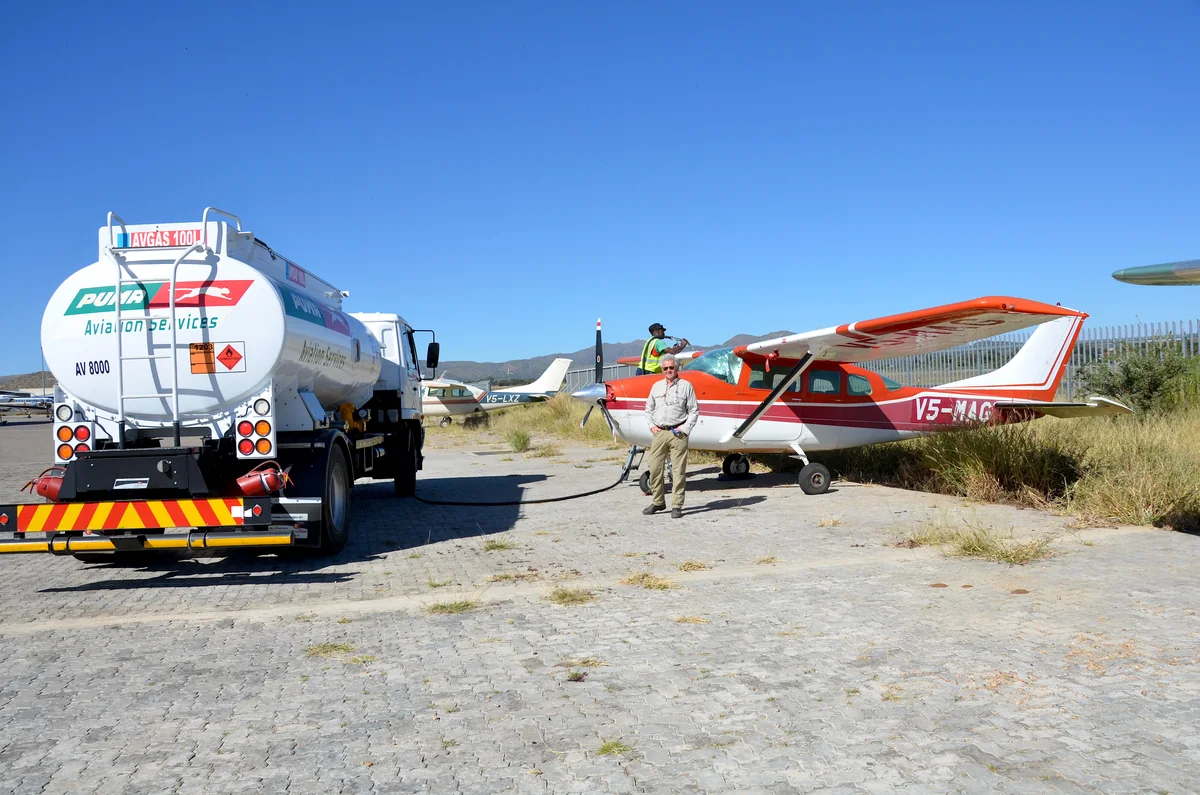
FBO insurance should reflect the services your fixed-base operation actually performs: fueling aircraft, moving them on the ramp, storing them in a hangar, maintaining equipment and welcoming customers. A general description such as ‘airport business’ leaves too many important questions unanswered. The useful starting point is an operations inventory tied to the insurance contracts and airport agreements that apply to your business.
A single incident can involve several interests. Damage to a customer’s airplane, injury to a visitor and contamination from a fuel release are different exposures. The fact that they happen at the same airport does not mean one coverage section addresses them all. Your review should identify the policy intended for each exposure, its limits, its conditions and the parties it protects.
This guide focuses on the FBO as an operating business. For the broader setting, see BWI’s airport liability insurance information. For your own operation, collect the details below before requesting a commercial aviation insurance quote from BWI.
What Does FBO Insurance Mean
FBO insurance is a practical description for the insurance arrangements supporting a fixed-base operator. It is not a universal policy form with identical protection for every airport business. An FBO that only provides parking and customer facilities has a different exposure profile from one that also fuels, tows, maintains and rents aircraft.
Start with the legal entity providing each service. If one company holds the airport lease while another employs the line staff or sells fuel, disclose the relationship. A familiar trading name does not establish which company is insured. The broker and underwriter need the operating structure as well as the services customers see.
Then identify where the work takes place. Describe the home airport, leased premises, off-site work and any additional locations. List services performed by employees and those handled by independent businesses. This turns an abstract insurance request into a submission an underwriter can evaluate.
Map Your Services to the Coverage Questions
| Activity or interest | Question to resolve |
|---|---|
| Visitors, offices and public areas | Which liability section addresses injury or damage arising from these premises and operations? |
| Customer aircraft in the hangar or on the ramp | What protection addresses your legal liability for aircraft in your care, custody or control? |
| Towing, parking and repositioning | Are these activities described and permitted, and which aircraft damage limits and deductibles apply? |
| Fuel sales and servicing | How are fueling mistakes, products and completed operations treated? |
| Fuel storage and potential contamination | What pollution wording applies, and is separate environmental protection needed? |
| Owned buildings, equipment and vehicles | Which property, equipment or vehicle policies address these assets? |
| Employees and business systems | Which separate workers compensation, employment or cyber questions need attention? |
Use this as a discussion map rather than a statement that every item is included in an FBO package. Ask for the policy section or endorsement supporting each answer. A quote showing a large overall liability limit can still contain different restrictions for aircraft damage, products, pollution or other interests.
Keep a short record of unresolved questions. If a particular activity cannot be accommodated as proposed, knowing that before the activity begins is more useful than discovering a mismatch after an incident.
Customer Aircraft Need Their Own Review
An FBO can be responsible for an airplane without owning it. An aircraft left for overnight storage, a tow into a hangar and an airplane parked for servicing all raise questions about custody and responsibility. Review the point at which your business accepts the aircraft and the point at which that responsibility ends.
Ask about hangarkeepers liability and the actual operations covered by the relevant wording. Do not equate a customer aircraft’s value with a guaranteed payment or assume that a building policy protects the airplanes inside it. The legal liability being insured, the covered property and the applicable exclusions all matter.
Explain which business accepts a customer aircraft for storage, which premises it may occupy and whether another tenant has access to that space. An FBO that shares a hangar with an independent maintenance shop should describe the arrangement instead of treating every airplane on the premises as part of one undifferentiated operation. The aircraft concentration figures are considered with limits below.
BWI’s hangarkeepers liability information is a useful companion to this broader FBO review. Keep the aircraft custody discussion connected to your actual storage and movement procedures.
Fueling Creates More Than One Type of Exposure
Describe fuel storage, sales, delivery and dispensing separately. An underwriter needs to understand the equipment used, the aircraft served, who supplies the fuel and who performs each step. If your business also delivers fuel away from the main location, include that fact rather than treating it as ordinary on-site service.
The FAA publishes guidance on aircraft fuel storage, handling, dispensing and personnel training. That operational guidance is separate from the insurance contract. Following a safety procedure does not, by itself, establish that a particular loss is covered.
For the coverage review, distinguish an accident during servicing from an allegation involving fuel after delivery. Ask how products and completed operations apply to your services. Then review pollution separately: injury to others, aircraft damage and environmental cleanup can involve different policy language.
Be specific about subcontractors and supply agreements. Identify which business owns the tanks and trucks, which performs inspections and which maintains records. The insurance submission should not imply that your company controls a task another party actually performs.
Review Airport Agreements Before Comparing Quotes
Bring the airport lease, operating agreement and applicable commercial minimum standards into the review. These documents may request certain limits, insured parties, evidence of insurance or other terms. A request in a contract does not automatically amend an insurance policy.
FAA Advisory Circular 150/5190-8 explains the role of commercial aeronautical minimum standards at federally obligated airports. The FAA recommends minimum standards, while an airport sponsor develops requirements for its setting. Do not treat that guidance as a nationwide FBO insurance limit or as confirmation that your operation meets an airport agreement. Review the standards and agreements actually applicable to your location.
If an agreement asks for additional insured status, a waiver of subrogation or particular cancellation wording, send the actual provision to the broker. Ask what the insurer can provide and how it will be documented. Have counsel address the meaning and acceptability of the contractual obligation; the insurance review serves a different purpose.
A certificate of insurance should not be treated as the policy or an endorsement. In its May 30, 2008 opinion, New York’s insurance regulator explained that a certificate cannot confer additional rights beyond the underlying policy. That is a New York illustration, not a determination of every state’s law or your contract. Ask for the issued documents supporting the requested insured status and obtain appropriate advice on the agreement.
A Hypothetical FBO Scenario One Tow Several Questions
Consider an illustrative situation in which an employee moves a customer’s airplane from an outdoor parking area into a shared hangar. During the movement, a wing contacts another aircraft. This is not a BWI customer case or a prediction of coverage; it is a way to identify the information a review would need.
The first questions concern the operation: who performed the tow, which business employed that person, what equipment was used and whether the work fell within the described services. The next questions concern the interests involved: the aircraft being moved, the second aircraft, any other damaged property and the people who may make a claim.
The insurance questions then become concrete. Which policy addresses the alleged responsibility for each aircraft? Are there separate per-aircraft and total limits? What deductibles apply? Are defense costs treated separately or within a limit? Do any agreements affect how the parties present their claims?
The lesson is to arrange the review around the work and the possible allegations, rather than asking only whether the business has ‘airport insurance.’ A useful pre-loss discussion follows the same chain of facts without assuming the outcome.
What Affects an FBO Insurance Quote
An actual quote depends on the submission and underwriting. Relevant information can include the mix of services, revenue, locations, aircraft values in custody, fueling arrangements, requested limits, deductibles and loss history. The business’s procedures and the documentation available to support them also help explain the operation.
Do not compare proposals using premium alone. Build a side-by-side review of insured entities, covered activities, locations, aircraft custody, products exposure, pollution wording, limits, deductibles and material endorsements. Mark differences that affect the way your FBO works.
If a proposal appears less expensive, ask which terms differ. A different deductible, restricted activity or narrower insured definition can matter more than the amount saved. Conversely, a higher premium should come with an understandable explanation of the terms and exposure being evaluated. Avoid relying on an online average as your business’s expected price.
Prepare an FBO Quote Submission
Gather the legal names and ownership relationships of the businesses involved; the airport address and premises; a description of every service; annual revenue information; employee and contractor roles; aircraft values and concentrations; fuel storage and servicing details; and the requested coverage limits. Include current policies and endorsements when reviewing an existing program.
Add airport agreements, customer storage or service agreements, equipment arrangements and available loss information. If there is a planned change, such as a larger hangar, a new fuel truck or a new maintenance service, describe both the current operation and the proposed effective date.
A concise explanation is better than a collection of unexplained documents. Identify what each agreement covers and what has changed since the last application. Ask the broker which supporting records the underwriter wants and how to provide them securely.
Before the start date, confirm the coverage being bound, the effective time, outstanding conditions and the documents still due. Keep a record of the terms actually issued. If a requested provision was not available, resolve that issue with the appropriate parties rather than assuming it will be added later.
Connect the FBO Entities Premises and Service Providers
For an FBO, a useful operating record connects services with the business that controls them. Begin with a simple diagram of the airport sponsor, the FBO entity, any separate property company and the independent businesses working from the location. Put the legal names used in agreements beside the names appearing on proposals. This helps expose a gap between the company described to an underwriter and the company actually undertaking the work.
Map the leased premises as carefully as the services. Identify the terminal, hangars, office areas, ramp, fuel storage and any space subleased to another business. Describe shared areas and activities conducted outside the leased boundary. A diagram accompanying the lease can make an arrangement easier to understand than a street address alone; ask which plans or documents the underwriter wants before sending a large property file.
For each independent provider, record the service it supplies and the responsibility your FBO retains. A maintenance shop may use your hangar while contracting directly with an aircraft owner, or your FBO may sell the work and engage that shop. Those descriptions present different questions even when the same technicians perform the task. Give the broker the actual arrangement instead of assigning responsibility from the sign on the building.
Do the same for fuel. Identify the supplier, the owner of the tanks and dispensing equipment, the business selling the product and the people performing delivery or servicing. Summarize indemnity and insurance provisions for review without attempting to decide their legal effect yourself. A supplier certificate does not answer whether your own program addresses your role in a transaction.
Keep a record of who is responsible for updating each part of the submission. The person managing the lease may know about a newly subleased bay, while the line-service manager knows that the FBO is accepting a different mix of visiting aircraft. Combining their information prevents an application from describing last year’s arrangements after the airport business has changed.
Review Limits Against Peak Aircraft Concentration
Review aircraft concentration once, using a clear set of assumptions shared by the FBO, broker and underwriter. Record the largest aircraft expected in your care, the highest anticipated combined value and the locations where that concentration can occur. Include a realistic peak period such as an airport event or severe-weather storage demand; an ordinary weekday description may not show the exposure the business intends to accept.
Then ask which limit applies to that described situation. The proposal may use per-aircraft, per-occurrence, aggregate or other terms, and each needs to be read in its own wording. Identify the applicable deductible or retained amount, the insured entity and any restriction on the activity or location. Do not add a building limit to a liability limit to create a supposed combined amount available for damaged customer aircraft.
Make the proposal comparison specific enough to resolve. For each question, record the policy section or endorsement, the answer given and anything still outstanding. Ask how defense or other specified expenses affect the relevant limit where the proposal addresses them. A row labeled aircraft damage is not complete merely because someone has entered a number; the scope of that number must be understood.
For example, an FBO planning to accept several higher-value visiting aircraft for a weekend should describe the expected aircraft, values, parking or hangar locations and timing before relying on its program. This is an illustrative planning example, not a prescribed limit, claim outcome or promise that temporary increased capacity is available. Obtain the insurer’s terms for the actual proposal before making commitments to customers.
Review FBO Changes Before New Arrangements Begin
An FBO can change its exposure without opening a new location. A new tenant, a different fuel supply arrangement or permission to offer an additional airport service may alter the facts originally submitted. Maintain a short change record that identifies the event, the parties involved, the intended start date and the documents affected. Send proposed changes for review before the new arrangement begins rather than waiting for the annual renewal application.
An operator transition deserves a separate explanation. If a new company takes over an existing FBO, distinguish the purchase or lease transaction from the insurance arrangements for the business continuing at the airport. Identify the legal entities, proposed effective dates, equipment ownership and agreements being assigned or replaced. Do not assume that using the same trading name or employing the same staff transfers the previous operator’s policy.
Temporary activity also needs a clear description. An airport event may increase visiting aircraft, hours of operation or use of an additional hangar. Explain what the FBO itself will do, what the airport sponsor or event organizer controls and which independent providers are involved. The purpose is to give an underwriter a reliable account of the FBO’s responsibilities, not to replace an event plan or imply that an ordinary policy automatically covers an expanded operation.
Where services are removed or outsourced, explain what obligations remain. Stopping maintenance work does not answer every question about earlier completed work, and returning leased equipment does not establish when a contractual responsibility ends. Present the dates and agreements to the broker and appropriate advisers. Avoid cancelling or narrowing protection based solely on the fact that staff no longer perform a task today.
At renewal, consolidate those changes into one comparison with the prior submission. Ask the relevant managers to confirm that entities, premises and services are accurately described. Review proposed terms against the expiring documents, identify unresolved requests and confirm the agreed effective date and time through the insurance contact. Keep the final issued policy and endorsements with the operating record so the next review starts from the terms actually in force.
Frequently Asked Questions About FBO Insurance
Does every FBO need the same coverage
No. Fueling, aircraft custody, maintenance, parking and customer facilities create different questions. The program should match the actual business and applicable agreements, with limits and conditions reviewed for each exposure.
Does airport liability insurance automatically cover customer airplanes
Do not assume it does. Aircraft in your care, custody or control require a deliberate review of the applicable aircraft damage or hangarkeepers wording, the legal liability insured and any relevant limits or exclusions.
Can an airport set insurance requirements for an FBO
An airport lease, operating agreement or applicable standards may contain insurance requirements. Review the actual documents for your location. Do not substitute a general online limit for a contract-specific review.
Is fueling pollution automatically covered
No assumption should be made from the presence of a general liability policy. Ask how spills, contamination, cleanup and third-party allegations are treated, and whether a separate environmental policy or endorsement is appropriate.
When should an FBO tell its broker about a new service
Before the new activity begins. Explain the service, location, equipment and responsible business so the insurer can evaluate any needed changes. A renewal application months later may not address the timing of the new exposure.
Request an FBO Insurance Review From BWI
Your FBO’s insurance discussion should begin with what your business actually does. BWI can help you organize the operating details and coverage questions for a commercial aviation submission. Bring the aircraft custody, fueling, premises and contract information together so important responsibilities are visible during the quote process.
If you are opening an FBO, expanding services or reviewing an existing insurance arrangement, request a commercial aviation quote from BWI. Include the airport, legal business names, services and planned start date. Available coverage and eligibility depend on the operation, underwriting and the policy terms offered.
Continue Reading


