

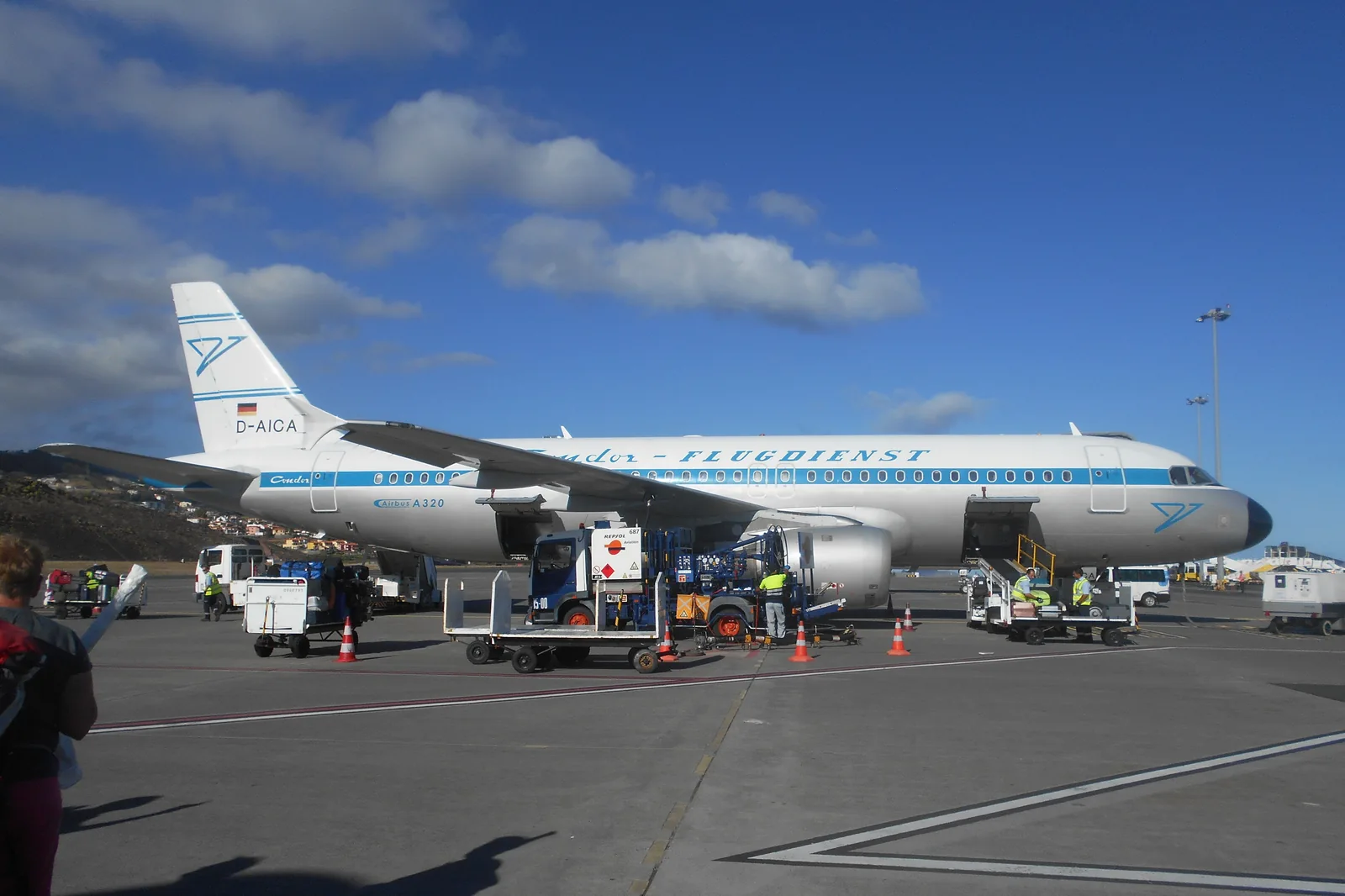
Ground handling insurance should address the work a business performs around aircraft, the property entrusted to it and the responsibilities it accepts under its service contracts. A handler may park aircraft, marshal arrivals, move baggage, operate ground equipment or coordinate servicing. Each task creates a different set of questions for an insurance submission.
Compare liability for damage to a customer aircraft with liability for injury or damage to other property. Then identify the work your employees perform, the tasks another business controls and the promises in your handling agreements. Those distinctions help explain why two proposals with the same headline limit can address different parts of a ramp operation.
This guide is for businesses providing ramp handling services, including handlers working for airlines or other aviation customers without running the airport or FBO. It complements BWI’s airport liability information and hangarkeepers liability guidance. A single aircraft owner arranging a tow has a separate policy and service-agreement review.
Define the Ground Handling Services You Provide
Begin with a written list of services, rather than the label ‘ground handler.’ Identify aircraft parking, towing, baggage and cargo handling, cabin services, fueling, deicing, equipment operation and any other work your business performs. Mark activities you do not perform so a submission does not unintentionally describe a broader operation.
Then identify the customers and aircraft served. Work involving light general aviation aircraft can differ substantially from servicing a transport aircraft under an airline agreement. Include aircraft types, values, locations, hours of operation and the periods when several aircraft may be in your responsibility at once.
Describe the legal entity doing the work, who employs the workers and who controls the equipment. If a staffing company or subcontractor supplies personnel, explain the arrangement. The insurance review needs the business relationships behind the uniforms and service vehicles customers see on the ramp.
Separate Aircraft Damage From Other Liability
A handler’s liability for damage to a customer’s aircraft needs specific attention. Do not assume a broad premises liability description establishes protection for aircraft in your care, custody or control. Ask which coverage section is intended to respond to that exposure and how the wording defines the relevant operations and property.
Other allegations can involve people or property beyond the aircraft being serviced. A passenger injury near equipment, damage to a terminal fixture and an incident involving a service vehicle may lead to different coverage questions. Ask where each exposure belongs rather than assuming all ramp incidents fall into one category.
Also distinguish liability coverage from protection for property your business owns. A policy addressing your responsibility to a customer does not necessarily insure your own tug, baggage cart, tools or office equipment. Prepare an asset list and review physical damage, property and vehicle insurance separately where appropriate.
The useful outcome is a map of the intended insurance response, including known restrictions. It should identify unanswered questions before a contract is signed or an operation starts, without promising how an insurer will decide a future claim.
For example, Kinsale’s ground operations overview distinguishes general liability from hangarkeepers liability and identifies on-apron services as a business class. This is evidence that the exposures deserve separate questions. It does not establish a BWI placement, the terms of your policy or acceptance of a particular service.
Use an Activity and Responsibility Matrix
| Service or interest | Information for the coverage review |
|---|---|
| Aircraft towing and repositioning | Who performs the movement, which equipment is used and what aircraft values are involved? |
| Baggage or cargo loading | Who controls loading, who owns the goods and where does responsibility transfer? |
| Passenger assistance | Which company supervises the activity, and where may customers encounter equipment? |
| Fueling or deicing | Which services and substances are involved, and who supplies them? |
| Rented ground equipment | What does the rental agreement require for damage, liability and permitted users? |
| Subcontracted work | Which tasks are subcontracted, and what insurance evidence and contract terms apply? |
| Multiple aircraft at one location | What is the maximum concentration of aircraft values for the proposed operation? |
Complete the matrix for ordinary work and for unusual events. A temporary increase in traffic, an additional airport or a new aircraft customer can change the exposure even if the business name and main service description stay the same.
Keep the document current. It can support a quote request, renewal discussion or proposed change, and it gives the underwriter a clearer explanation than a service agreement alone.
Aircraft Values Limits and Deductibles Must Fit the Work
Provide both the largest aircraft value and the maximum total value that may be exposed in one event. An incident involving a single wingtip is different from an event affecting several parked aircraft. Ask how the proposal treats per-aircraft, per-occurrence and aggregate limits where those distinctions appear in the wording.
Review deductibles just as carefully. Determine what event or property triggers each deductible, whether different services have different terms and how deductibles would apply when several interests are involved. Avoid assuming the amount shown on the first page is the only retention relevant to the work.
Ask about defense provisions and whether defense expenses affect the available limit. Also examine any restrictions relating to aircraft types, particular operations, locations or contractual responsibilities. A higher overall limit does not correct an activity excluded from the policy.
Use values supplied by customers and appropriate records; do not guess from an aircraft’s appearance. If exact values are not yet available, identify the uncertainty in the submission and ask what the underwriter needs before terms can be finalized.
Contracts Need a Coverage Review Before Signature
Airline, FBO, airport and customer agreements can allocate responsibility in different ways. Collect the complete agreement, including insurance schedules, exhibits and amendments. A summary saying ‘standard airport contract’ may omit the very provisions that matter to the review.
Highlight requested limits, additional insured requirements, waivers, indemnity provisions and any obligations for aircraft or cargo damage. Ask the broker which requested insurance provisions are available and what documentation supports them. Have counsel evaluate the legal obligations your business is considering accepting.
Keep contractual responsibility separate from policy coverage. A business may agree to an obligation broader than its insurance. A certificate does not fix that difference. In its 2008 certificate opinion, New York’s regulator explained that a certificate cannot confer additional policy rights. That is a specific New York source, not a substitute for reviewing the law and policy applicable to your agreement.
The airport’s commercial standards also deserve attention. The FAA’s current AC 150/5190-8 on commercial aeronautical minimum standards gives the airport framework. Review the actual airport standards, lease and operating agreement for your location’s requirements. Do not infer a universal insurance limit from the advisory circular.
Subcontractors and Temporary Staff Should Be Visible
List the activities performed by employees, temporary workers and independent contractors. Explain who trains, directs and supervises the people performing each task. Where another business uses your equipment, identify who authorizes that use and what agreement applies.
Obtain the insurance documents required by your contracts, but do not treat possession of a certificate as proof that every exposure is covered. Review policy dates, described operations, requested endorsements and any limitations relevant to the work. Confirm who is responsible for tracking renewals and reporting changes.
Your own coverage still needs review when another company is involved. Ask how the proposed policy treats allegations arising from work arranged or supervised by your business. The answer depends on the wording and facts; it should not be inferred from a contractor’s promise to carry insurance.
When staffing or subcontracting arrangements change, report the proposed arrangement before work starts. An application that described an employee-only operation should not be left to stand while the business shifts important services to a different company.
Ground Equipment and Fueling Require Separate Detail
Prepare a schedule of owned, leased and borrowed ground equipment, including its use and location. Explain whether vehicles remain airside, travel on public roads or serve more than one airport. Review the insurance obligations in equipment leases instead of assuming responsibility ends when a vehicle belongs to someone else.
If the business fuels aircraft, describe the actual storage, delivery and dispensing arrangements. Identify the supplier, the equipment owner and the business performing inspections and servicing. The FAA’s active AC 150/5230-4C covers fuel storage, handling, dispensing and personnel training. It replaces the canceled 4B edition. This operational guidance does not determine insurance coverage.
Discuss products, completed operations, pollution and aircraft damage as separate coverage questions. A fuel-related incident can involve more than an immediate collision or spill. Explain the services fully so the insurance review can address the work the business actually undertakes.
A Hypothetical Loading Incident Shows Why Roles Matter
Imagine a ground handler using rented equipment to load a customer’s aircraft. A temporary worker operates the equipment under the handler’s supervision, and the equipment contacts the aircraft. This is an illustrative example, not a reported customer claim or an assurance of payment.
A useful review would establish who employed the worker, who directed the task, who rented the equipment and who accepted responsibility for the aircraft. It would also identify the relevant customer and equipment agreements, the activity described to the insurer and the coverage provisions being considered.
There could be separate questions about damage to the aircraft, damage to the equipment and any claim against the supervising business. The parties’ contractual positions may differ from their insured status. Rather than guessing the outcome, use the example to test whether those relationships have been explained in your submission.
The same approach helps before a new customer is accepted. Follow the task from assignment through completion, identify each business involved and ask which documents establish the intended responsibilities and insurance arrangements.
Prepare a Ground Handling Insurance Submission
Gather legal business names, ownership relationships, airport locations, service descriptions, annual revenue information, aircraft types and values, expected peak concentrations, equipment schedules, staffing arrangements and available loss history. Include current policies and endorsements for a program review.
Add customer, airport, subcontractor and equipment agreements. Identify important dates, such as the start of a new service or contract. If operations are expanding, distinguish current work from planned work so an underwriter does not have to infer the timing.
Ask for a comparison of the actual terms offered, not just a price summary. Record the insured entities, services, locations, limits, deductibles and material exclusions. Before work begins, confirm what has been bound, any conditions still outstanding and any insurance requirements that remain unresolved.
Use the same description for every quotation. If one insurer evaluated employee-only baggage handling at one airport while another received a submission including passenger assistance at several airports, their prices are not yet comparable. Ask the broker to resolve those factual differences and identify any activity that a proposal omits. Record the answer against a policy section or endorsement wherever written terms are needed.
Assign responsibility for unanswered items before a start date is agreed. The operations manager may need to confirm an aircraft concentration, a contract manager may need to obtain an insurance exhibit and the broker may need an insurer’s response. Keep the unresolved item and its owner in the submission record. A quote received while a key fact is missing should not be treated as confirmation that the proposed work has been accepted.
Make Each Aircraft Handover a Defined Part of the Service
Ground handling work often crosses more than one business or shift. An aircraft may arrive with one operator, be accepted by a ramp team, be moved by another crew and be released to a departing pilot. Before reviewing insurance, describe those handover points and the records used to identify who accepted which task.
Keep the record focused on the actual service. Identify the aircraft, requested work, location, time and business responsible. If parking instructions, equipment restrictions or a customer instruction affect the task, explain how those details reach the people doing it. An informal message held by one employee is a different operational fact from a procedure used consistently across shifts.
A handover record is not an insurance endorsement and does not decide legal responsibility by itself. Its purpose in a submission is to make the service understandable. Ask whether the described custody period, movement and release arrangements fit the proposed wording rather than assuming every activity at the same airport has the same treatment.
Describe any work performed outside the usual premises. A crew sent to another apron or airport may involve a different location, equipment arrangement or contracting party. Give the insurer the real boundaries of the service before the work starts. Keep the agreement and the operations description aligned when either changes.
For a movement centered on one customer aircraft, see BWI’s guide to moving an aircraft by tug. For a trade contractor entering operational areas, use the separate airside contractor guide. This article addresses the handling company’s continuing service relationships across a turnaround.
Passenger and Baggage Handling Need Separate Questions
A ramp handler can have responsibility for a passenger service and for property moving toward the same aircraft. Describe passenger assistance, boarding equipment, baggage transport and loading as separate tasks. Identify where your staff take over from the airline, terminal operator or another handler, and who supervises the transfer back. A label such as turnaround support may hide those differences.
For passenger assistance, explain whether your business supplies staff, equipment or both. Identify who owns and maintains boarding stairs or other equipment used by your team. Ask the broker how the proposed wording treats the service and the parties involved. Insurance review does not establish that equipment is suitable for an individual passenger or replace the airline’s and airport’s applicable procedures.
For baggage and cargo handling, identify when goods enter your responsibility, where they wait and how they are released. Tell the underwriter if your work includes storage away from the aircraft, subcontracted transport or goods requiring special handling. Review your possible liability for the goods separately from damage your equipment might cause to an aircraft. A customer’s cargo policy and your liability policy protect different interests.
Ask directly about allegations that do not involve physical damage. A missed transfer, loading error or service interruption could lead to a request for financial reimbursement. Supply the relevant service-level and penalty clauses and ask which, if any, proposed terms address those obligations. The fact that the handling contract lists a charge does not establish that an insurer will reimburse it.
This review stays with the handling service. Insurance for goods during an entire shipment and insurance for a contractor installing a fixed terminal conveyor require their own scope. Keep those activities visible if your business also performs them, rather than adding them silently to a submission for ordinary ramp work.
Review Changes During Busy Turnarounds
A late arrival or diversion may bring work that differs from a routine handling agreement. Describe the business’s process for accepting an additional aircraft, arranging staff and confirming the requested services. The submission should explain how someone with authority checks whether a change falls within the work already described to the insurer. An urgent customer request does not itself amend the policy.
Record what changes when traffic increases. More simultaneous aircraft can increase the concentration of values; an added shift can involve temporary staff; a new aircraft type may require different equipment. Give the broker the proposed facts before the work begins where possible. Ask what underwriting information, written changes or outstanding conditions must be resolved instead of relying on the premium or company name staying the same.
Keep the service handover clear when another handler takes over a delayed aircraft. Identify the accepted work, the time responsibility changed and the business receiving it. If the arriving crew asks for an unplanned service, preserve the authorization and explain who accepted the task. These records help establish facts; they do not determine negligence or create insurance rights.
Before a busy period, make the policy’s incident reporting instructions available to the responsible manager. After an incident, report through the required channel and preserve the work order, aircraft and equipment details and available records. Distinguish confirmed facts from estimates still being investigated. Coordinate inspection, repair and settlement decisions with the applicable policy conditions and claims instructions.
Frequently Asked Questions About Ground Handling Insurance
Is ground handling insurance the same as airport liability insurance
The descriptions can overlap, but they do not establish identical coverage. Review the handler’s actual services, aircraft custody, equipment and agreements, then identify the relevant policy sections and endorsements.
Can Contractor Insurance Replace Our Own Policy
Do not assume that it does. Review your own business’s role, possible allegations against it and the applicable contracts. A contractor’s certificate is evidence to examine, not a substitute for that review.
What aircraft values should a ground handler disclose
Provide the largest individual aircraft values and maximum concentrations relevant to your responsibility, along with the services and locations involved. Ask what supporting records the underwriter needs.
Does a general liability policy cover damage during towing
That requires review of the actual wording, aircraft custody provisions and described operations. Do not decide from the policy’s general label or a certificate’s headline limit.
When should a handler report a new airport or airline contract
Before the new work starts. Send the service description, location, aircraft details and agreement so the insurer can evaluate the proposed operation and any requested changes.
Request a Commercial Aviation Quote From BWI
Ground handling coverage questions become clearer when the work, equipment and business relationships are documented. BWI can help organize those details for a commercial aviation insurance submission and identify the information needed to evaluate your proposed operation.
Request a commercial aviation insurance quote from BWI with your airport locations, services, aircraft values and contract requirements. Explain any proposed changes before they begin. Coverage availability and eligibility depend on underwriting and the actual policy terms offered.
Continue Reading


