
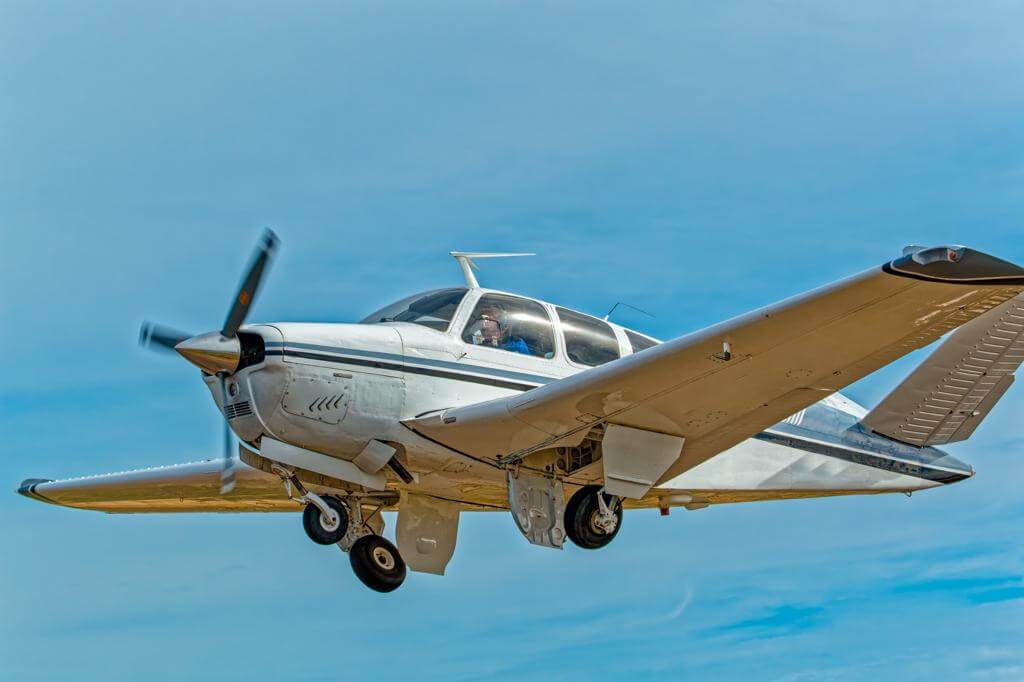
An airplane insurance estimate starts with accurate aircraft, pilot and use details. A price without the proposed coverage and conditions gives an incomplete basis for comparison.
Gather the key facts
Provide the aircraft model, registration, value, ownership and storage location. Include each pilot’s experience, ratings and recent training. Describe personal, business, instructional or other use accurately. Explain claims history and planned changes so an estimate is based on the operation you actually expect.
Choose what to compare
Ask for aircraft damage terms, liability limits, deductibles and any passenger sublimits. Check territory, permitted use and pilot requirements. Compare equivalent terms where possible. A lower premium can accompany different protection or conditions, so read the full proposal before deciding which offer suits the aircraft.
Confirm the status of the offer
Ask whether the figure is an indication, a formal quote or bound coverage. Identify outstanding documents, approval conditions, effective dates and payment requirements. For example, a new pilot or changed aircraft value may require another review. Keep the final policy with the accepted quote for reference.
Prepare the BWI review
Gather the service description, locations, property values, staff roles, agreements, current policies and factual claims history. Explain proposed changes and the date they will start.
Compare the actual limits, deductibles, exclusions, insured parties and activities. Ask which requested terms are accepted and what remains outstanding. Keep the final documents and reporting instructions with the business records.
Request an aircraft insurance review from BWI for the operation described above. Availability and terms require an individual review.
Continue Reading
