
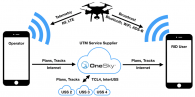
Remote ID lets a drone broadcast identification and location information during flight. The rule is now in effect. If your drone is registered, or must be registered, review the FAA requirements before you fly.
For a business, the insurance questions include the aircraft you use, any added equipment, and the work you plan to do. Tell your broker when any of those facts change.
Three ways to meet Remote ID requirements
The FAA describes three main options. Choose the option that applies to your aircraft and operation.
- Standard Remote ID drone. The aircraft has built-in broadcast capability.
- Broadcast module. A separate device adds Remote ID to an aircraft. This option requires the pilot to keep the drone in sight during flight.
- FAA-recognized identification area. An aircraft without Remote ID equipment can operate within a FRIA and within visual line of sight.
The FAA also describes specific authorizations for some operations. Read its current Remote ID guidance for the requirements and exceptions.
Check equipment and registration records
Review the aircraft and module details against the FAA’s instructions and the manufacturer’s information. Check the applicable serial number and registration record. Keep those details with your fleet records so the person scheduling a flight can identify the correct aircraft.
For Part 107 operations, the FAA requires each aircraft to be registered individually. Follow its instructions when adding a device or changing an existing registration. A software update or new module may also call for changes to your equipment records.
Review insurance when your fleet changes
Give your broker an updated list of aircraft, equipment values and intended uses. Ask how the policy treats a Remote ID module, payloads and other added equipment. Confirm whether a new or replacement aircraft must be listed before it flies.
Compliance alone does not establish the scope of insurance. The policy still sets out the insured parties, accepted uses, limits, deductibles and exclusions. Ask about any condition that affects your plans.
Match flight plans to the permissions you hold
Remote ID is one part of a drone operation’s requirements. Review airspace access, pilot qualifications and any operating approval needed for the mission. Confirm the route and work with the responsible aviation professionals.
Describe unusual work to your broker before accepting the job. Examples include flight testing, spraying, light shows and flights near crowds. Insurance terms can differ for those activities. Our drone coverage guide explains the main areas to review.
Prepare for an insurance review
Have your fleet list, equipment values, pilot details, job descriptions and client insurance requirements ready. Include any changes to aircraft or flight plans. BWI can review the available options with you.
Request a drone insurance quote or email [email protected].
Continue Reading
