
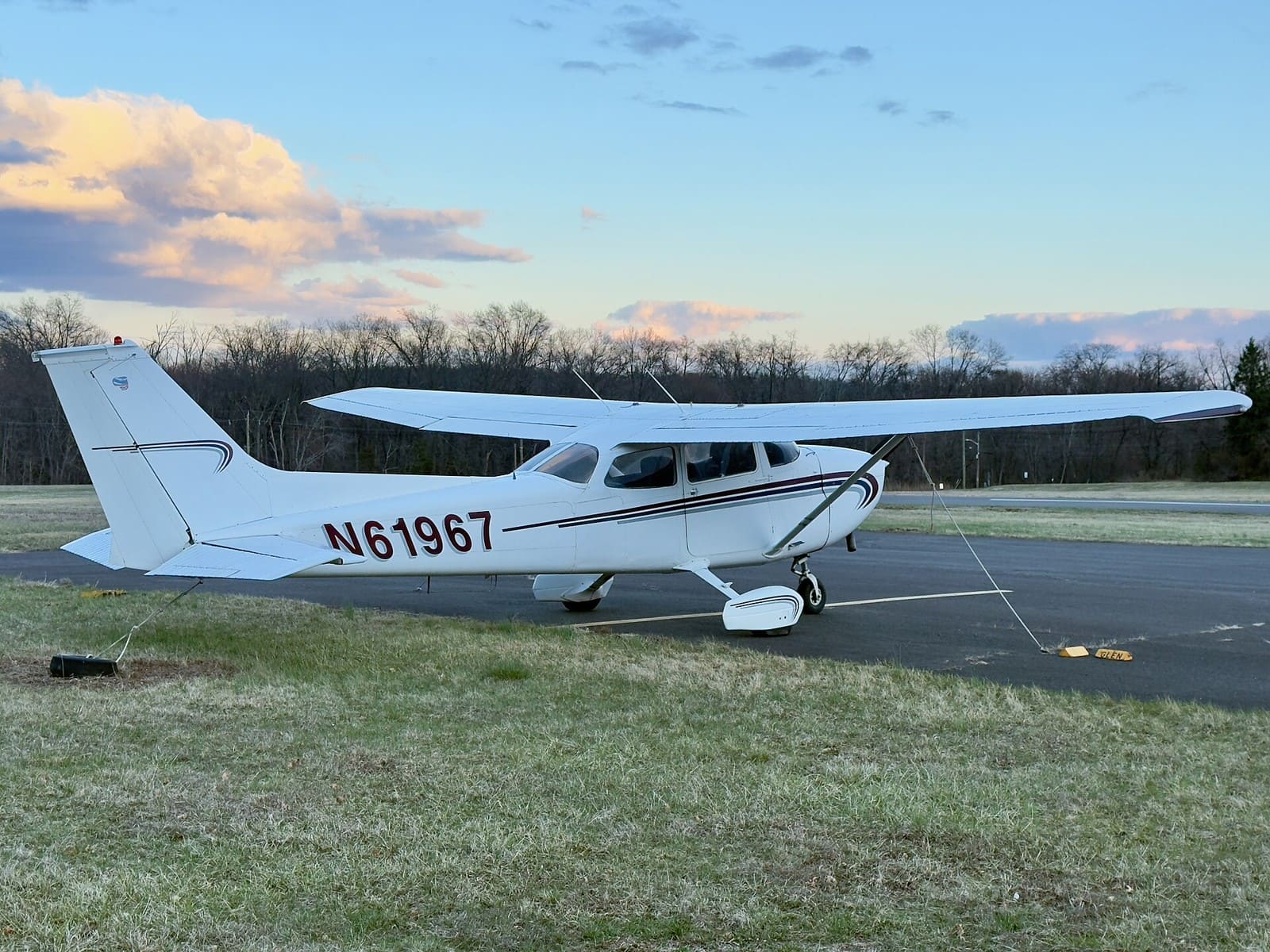
Storm planning starts before severe weather reaches your airport. Review your aircraft policy, decide where you could move the aircraft, and identify who can make the flight. Ask about insurance conditions while there is time to get clear answers.
Aviation policies can include liability, physical damage to the aircraft, or both. Each part has its own terms. A storm relocation expense benefit may be offered through a separate provision or endorsement.
Check the aircraft’s physical damage cover
Hull insurance addresses damage to the insured aircraft under the policy’s terms. Review the insured value, deductible, covered causes of loss and exclusions. Ask how wind, flooding and named storms are treated at the location where you keep the aircraft.
Check which phases of use are covered. A ground-only option may have different terms from ground-and-flight cover. Ask how the policy treats towing, taxiing, engine operation and a flight to another airport.
Understand liability and storage agreements
Liability insurance addresses covered claims against insured parties. Review the total limit, any passenger limits, and how defense costs are handled. These terms serve a different purpose from hull insurance.
Read your hangar or tie-down agreement as part of storm planning. The airport or hangar operator may have duties under that agreement. Its insurance does not automatically pay for damage to every aircraft stored there.
Read any relocation expense benefit
If your policy includes a hurricane or storm relocation benefit, ask the broker to point out the exact terms. Review these questions before booking a flight or paying for storage.
- What weather event triggers the benefit?
- Does a forecast area or time limit apply?
- Is advance approval required?
- Which destinations and expenses qualify?
- What payment limit and deductible apply?
- What receipts and other records must you keep?
Ask separately whether the relocation flight meets the aircraft, pilot, territory and use conditions. Approval of an expense does not answer every flight-cover question.
Make a practical plan
List the people who can arrange the move and the pilots who meet the insurance terms. Keep current contact details, policy documents and reporting instructions available. Confirm the destination and storage arrangements before a storm deadline.
Use airport procedures, manufacturer guidance and official weather and emergency information when deciding how to protect the aircraft. Have qualified aviation professionals assess the flight. Insurance approval cannot establish that a proposed flight is safe.
Keep records and report damage
Save written approvals, receipts and photos relevant to the move. If damage occurs, address immediate safety needs and follow the policy’s reporting requirements. Ask the claims contact before approving repairs or disposing of damaged parts.
Our aircraft policy reading guide can help you organize questions. For a review of your aircraft and storm plans, request an insurance quote or call 800-666-4359.
Continue Reading

