
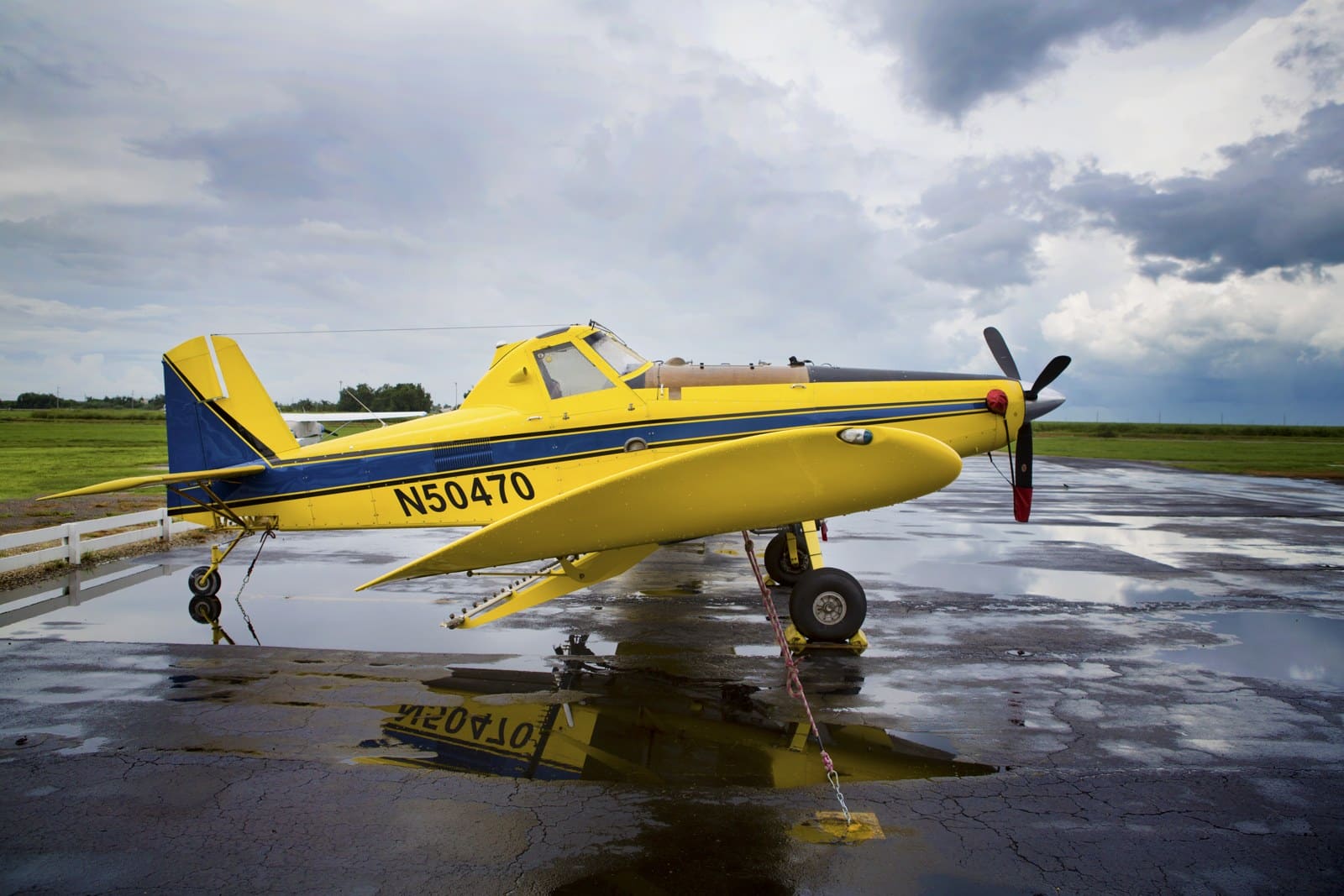
For manned agricultural aircraft insurance, start with the work your business performs. Describe the aircraft, application services, pilots, ground support and contracts. Keep a drone operation distinct in the submission.
Describe the work
State who provides each service, whether work is for your own farm or customers, and where and when it occurs. Identify product categories and proposed services accurately. Compare this description with bids, invoices and customer agreements.
Use qualified advisers to confirm operating requirements, including the relevant FAA Part 137 process. Insurance evidence does not grant operating authority.
Identify the parties
List the farm, aircraft owner, application business and other providers by legal name and role. Include leases and service agreements. Ask how the policy treats each party’s interests and any requested insured status.
List aircraft and ground property
Provide aircraft details, values, installed application equipment and modifications. Identify leased, financed or substitute aircraft and the related agreements.
List spare parts, tools, support vehicles, storage and temporary sites separately. Ask which policy covers each property interest. Shared use of a site does not automatically insure every business using it.
Review the main risks separately
- Aircraft damage needs a review of property, value and covered use.
- Application liability needs a review of the actual products and services.
- Ask how drift, chemicals, contamination and damage to treated property are addressed.
- Review ground property, employee duties and outside contractors.
A claim for poor service or a lost crop expectation can raise different issues from bodily injury or property damage. Ask for an explanation tied to the offered policy.
Provide pilot details
Submit the requested aircraft and agricultural flying experience, qualifications and training records. Include seasonal and relief pilots. Confirm policy conditions separately from operating qualifications before relying on a new pilot’s acceptance.
Check contracts and comparable quotes
Send complete customer insurance requirements before promising compliance. Have legal advisers review the contract and ask the broker which terms can be provided.
Compare offers using the same aircraft values, activities, pilots, locations and dates. Check limits, sublimits, deductibles, exclusions, defense terms and any outstanding conditions.
Track seasonal changes
Keep a dated list of fleet, pilot, location and service changes. For example, a leased aircraft and a second support site need review when the earlier application described only an owned aircraft at one base.
Separate planned work from accepted terms. Confirm the final arrangement before relying on an old certificate for an expanded operation.
Keep reporting records ready
Save policy contacts and reporting instructions. Follow applicable emergency and reporting duties after an event. Preserve factual records and distinguish them from later conclusions about cause or coverage.
Prepare the next review
Bring the service description, legal names, fleet and equipment schedules, pilot records, claims information and customer requirements. Request an agricultural aviation insurance review from BWI. Availability and terms depend on the actual submission.
For unmanned work, start with BWI’s agricultural drone insurance information.
Continue Reading

