
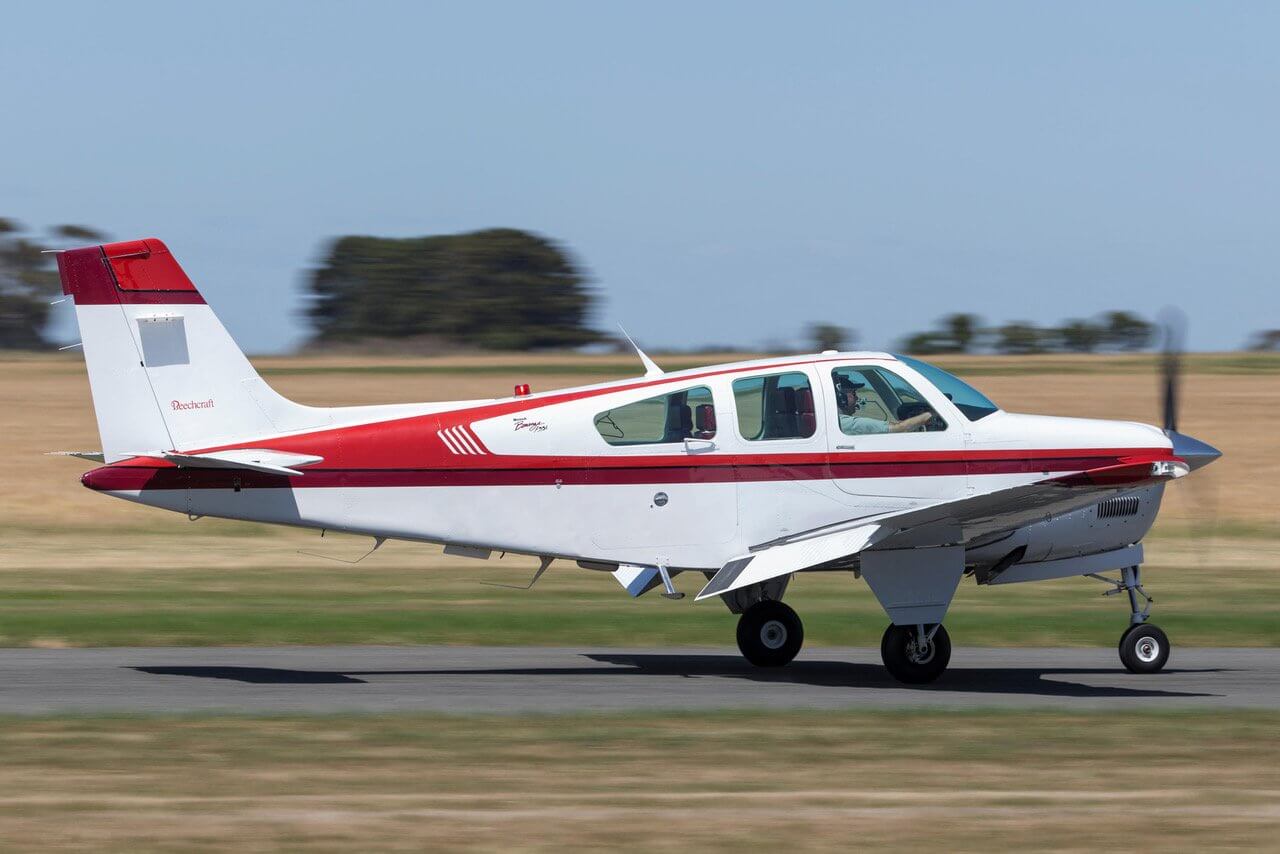
A prospective buyer wants a demonstration flight before deciding whether to purchase an aircraft. The seller agrees, an instructor offers to come along, and the buyer would like time at the controls. Before arranging the flight, identify what each person will do and whether the accepted insurance arrangement addresses it.
A demonstration is more specific than permission for someone to fly the airplane. The owner's protection, the other pilot protection and the permitted use deserve separate answers. At BWI, we help owners and aviation businesses describe that plan for insurance review. Request a commercial aviation insurance quote if demonstrations are part of your aircraft sales activity, and include the roles and activities you expect.
Describe the Demonstration Before Asking Whether It Is Covered
Start with the purpose. Is the flight intended to show the aircraft to someone considering its purchase, or is it being used for transportation, instruction, delivery or another purpose? A descriptive label does not change the actual activity. Explain the route, participants and intended use of the controls.
The FAA demonstration flight guidance distinguishes a true demonstration to a prospective customer from transportation described as a demonstration. That is an important regulatory boundary. It does not establish that an insurance policy accepts the flight or every participant.
If several activities will occur during one trip, identify them separately. A buyer demonstration followed by delivery after closing introduces an ownership and timing change. A flight including transition instruction adds another role. Do not assume that approval for the first activity silently resolves the rest.
Map the Participants and Their Roles
Write down who owns the aircraft, who is selling it, who will act as pilot in command and who may manipulate the controls. Identify an instructor, broker representative or other participant by role. The purpose is to avoid a flight plan built on different assumptions held by different people.
| Participant | What to establish | Insurance question |
|---|---|---|
| Seller or owner | Ownership interest and sales activity | Whether the actual demonstration use is accepted |
| Prospective buyer | Observer or person operating controls | What personal protection applies before ownership |
| Pilot in command | Identity qualifications and responsibilities | Whether pilot conditions are satisfied |
| Instructor | Instruction evaluation or demonstration role | Whether the specific professional activity is addressed |
| Broker or dealer | Who arranges and participates in the flight | Whether separate business exposure needs review |
| Other passengers | Reason for being aboard | Whether the planned passenger arrangement fits the accepted use |
Review Owner Protection and Pilot Protection Separately
An owner's policy may permit a pilot to operate an aircraft without providing that person the same protection as the owner. Do not turn a statement that the pilot meets a qualification provision into a promise that the pilot is insured against every liability. Ask both questions explicitly.
The Avemco Aircraft Trader FAQ illustrates this distinction within one particular product. Its discussion separates protection for the policyholder from another pilot meeting the pilot warranty. Those are Avemco product statements, not terms that should be assumed in a BWI placement or another insurer policy.
For the prospective buyer, review any personal nonowned insurance with the planned role and aircraft disclosed. If the buyer will only observe, say so. If the buyer will fly or receive instruction, say that instead. A policy review based on observer status does not establish the answer for time at the controls.
Check the Seller Use and Business Activity
A private owner selling one airplane and a business regularly demonstrating inventory may present different submissions. Explain the frequency of sales and demonstrations, who arranges them and whether employees or contract pilots are involved. Avoid assuming a personal aircraft policy addresses an ongoing dealership activity.
Read the use provisions and any sales or demonstration endorsements. Determine whether the planned activity is accepted and whether special conditions apply. If a quote or binder refers to a restricted use, resolve that wording before sending invitations for flights that may fall outside it.
Our commercial aviation insurance services provide broader context for aviation businesses. The narrow decision here is how the proposed demonstration is being handled under the actual policy and business arrangement, including any activity beyond routine private operation.
Agree Who Will Fly Before Departure
Identify the pilot in command and the plan for control transfers before requesting final insurance confirmation. Provide the relevant pilot records and training information. Where an instructor is aboard, clarify whether the instructor is teaching, evaluating the buyer or simply demonstrating the aircraft.
Operational qualifications and insurer pilot conditions should both be satisfied. They do not substitute for one another. A flight instructor certificate does not automatically answer every insurer requirement for every model, and a pilot listed in a policy does not independently establish the operational legality of the flight.
If the buyer changes the proposed pilot shortly before departure, return to the review process. Do not assume a different pilot is acceptable because the person has more total flight time. The actual conditions may concern model experience, training or a particular named person.
Keep the Demonstration Separate From the Purchase Handoff
Confirm whether the seller will still own the aircraft throughout the flight. A purchase can close before, during or after an intended delivery sequence, depending on the transaction documents. Insurance needs to be arranged around the actual transfer rather than the participants informal description of the day.
If the buyer plans to fly home after the demonstration and closing, address that flight before it happens. The buyer owned aircraft placement and any training requirements may differ from the seller demonstration arrangement. An accepted demonstration is not a reason to leave the postclosing flight unanswered.
Coordinate the purchase agreement and insurance effective dates with the transaction advisers. Identify the time and event used for the handoff, who may move the aircraft during the transition and what written evidence each party will retain. Avoid relying on the phrase seller insurance stays with the airplane.
Review Written Agreements Without Assuming They Create Coverage
A demonstration agreement or waiver can address conduct and responsibilities, but it does not rewrite an insurer contract. Provide the proposed document for legal and insurance review, especially if it requires a participant to indemnify another party or pay for aircraft damage.
Distinguish a contractual allocation from an insured obligation. Someone agreeing to pay a deductible does not establish that every loss is covered or that the deductible is the only amount they may owe. Similarly, a waiver name does not tell you its legal effect or its interaction with insurance rights.
Keep the signed version with the flight records and accepted insurance correspondence. If the document changes, do not treat an earlier review as approval of the new language. A practical process tracks the version actually used for the flight.
A Hypothetical Buyer Demonstration
Imagine a seller demonstrating an aircraft to a buyer with limited experience in the model. An instructor familiar with the aircraft will be pilot in command, and the buyer hopes to handle the controls. This is a planning example, not a description of a BWI customer or a coverage outcome.
The seller supplies the proposed flight purpose, participants and pilot details. The buyer separately reviews personal protection for the intended participation. The instructor confirms the professional role and relevant insurance. The group agrees that any purchase closing and subsequent delivery will be handled as a separate transition.
Suppose the buyer then asks to take a business associate to a meeting along the route. That changes the facts and purpose. The group should obtain appropriate regulatory and insurance guidance rather than treating the earlier demonstration plan as authorization for the revised trip.
Before You Offer the Flight
- Describe the actual purpose and any combined activities.
- Identify the owner seller pilot instructor buyer and other passengers.
- Explain who will manipulate controls and under what arrangement.
- Review the seller permitted use and relevant endorsements.
- Review other participants protection separately from owner's protection.
- Provide pilot records and complete applicable conditions before departure.
- Coordinate any purchase closing or delivery as a separate handoff.
- Retain the final agreements and accepted insurance evidence.
Frequently Asked Questions
Does My Aircraft Policy Automatically Permit Demonstrations?
Do not assume that it does. Review the permitted use, pilot provisions and any relevant endorsements with the specific plan disclosed. A private sale and a regular aircraft trading business can involve different facts. Obtain an answer based on the issued policy rather than the word demonstration alone.
Is a Buyer Protected by Meeting the Open Pilot Requirements?
Meeting a pilot qualification provision and being insured are separate questions. Review both. The owner may have protection when an eligible pilot operates while that pilot still needs to evaluate personal liability protection. The actual wording and circumstances determine the answer.
Can a Buyer Fly Before Purchasing Insurance?
The buyer should review the intended participation and protection before flying. Until ownership transfers, a nonowned insurance question may be relevant; after closing, an owned aircraft arrangement may be needed. Do not assume the seller insurance addresses both stages for the buyer.
Does Bringing an Instructor Solve the Insurance Issue?
An instructor can serve an important operational role, but the presence of an instructor does not independently amend a policy. Identify whether instruction is occurring, who is pilot in command and what the applicable policies address. Review the instructor's professional exposure separately where appropriate.
Can We Charge for a Demonstration?
Charges and the purpose of the flight can raise regulatory and insurance questions. Obtain qualified guidance for the specific arrangement rather than relying on a general answer. An insurance quote or endorsement is not authority to conduct a flight that requires a different operational arrangement.
What If the Buyer Purchases Immediately After Landing?
Arrange the ownership transition in advance if that is a realistic possibility. Identify when the seller interest ends and buyer coverage begins, and review the first buyer flight and training conditions. A quick closing should not force the parties to improvise insurance after the sale.
Get a Quote From BWI for Aircraft Demonstration Activities
At BWI, we help owners and aviation businesses organize the information needed to review a proposed insurance arrangement. For demonstration activities, include the aircraft, sales pattern, participants, pilot plan and any written agreement. Explain whether a purchase or delivery may follow the flight.
If the buyer needs personal nonowned protection, our aircraft renters insurance page provides additional context for that separate request. The seller business submission should still describe its own demonstration activity and responsibilities.
Get a commercial aviation insurance quote from BWI or call 866 788 6291. Tell us whether you are arranging an occasional sale demonstration or operating an aircraft sales business so the request starts with the correct facts.
Continue Reading

