
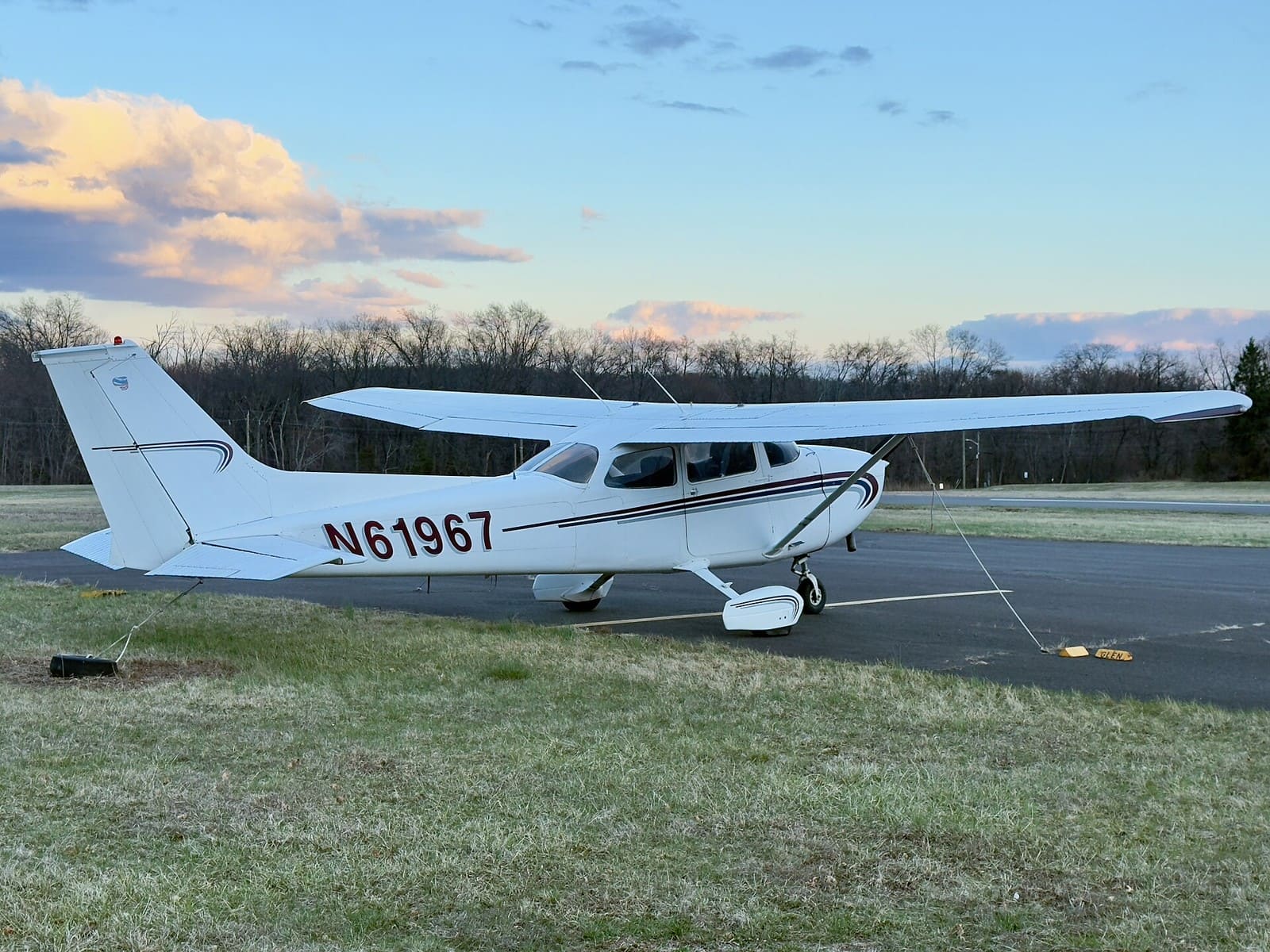
After a bird strike, preserve the known facts and contact the current insurance channel. Qualified aviation personnel should assess the aircraft while the insurer reviews the policy and reported loss.
Record and report the event
Keep the date, location, flight details, photographs and relevant records. Describe what is known without guessing at hidden damage. Follow the issued policy’s notice requirements and obtain claim instructions. The maintenance assessment and the insurance decision address different parts of the event.
Review the actual policy
Locate the aircraft damage provisions, deductible, exclusions and any loss-related expense terms. Ask how inspection, repair, transport and storage costs will be reviewed. Obtain guidance before making financial commitments that require insurer approval. A sample policy or another owner’s claim cannot establish your settlement.
Track findings and costs
Keep technical reports, estimates, invoices and insurer communication linked to the event. If inspection reveals more damage, provide the new information promptly. For example, an initial surface finding may be followed by a different qualified assessment. Preserve both records and document the reason for any changed repair scope.
Prepare the BWI review
Gather the service description, locations, property values, staff roles, agreements, current policies and factual claims history. Explain proposed changes and the date they will start.
Compare the actual limits, deductibles, exclusions, insured parties and activities. Ask which requested terms are accepted and what remains outstanding. Keep the final documents and reporting instructions with the business records.
Request a commercial aviation insurance review from BWI for the operation described above. Availability and terms require an individual review.
Continue Reading

