
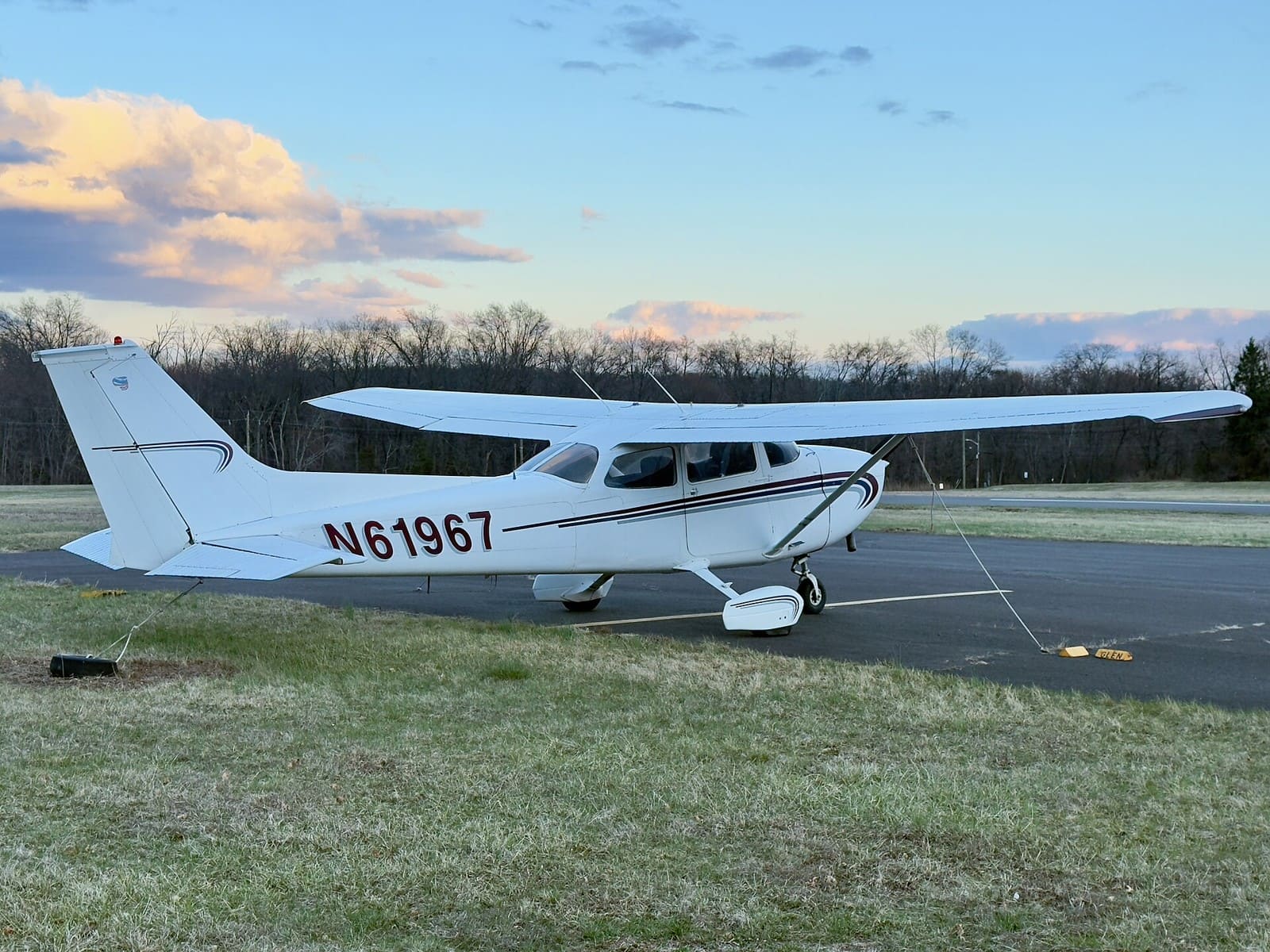
Suspected volcanic ash exposure requires a qualified technical assessment and prompt review through the current insurance channel. Preserve what is known without assuming either the damage or the policy response.
Document the exposure
Record flight details, locations, times, reports and observed effects. Retain photographs and relevant maintenance information. Follow the policy’s notice process and request claim instructions. Describe suspected exposure accurately while qualified personnel assess whether damage occurred and what further work is needed.
Review costs against the policy
Ask how inspection, cleaning, repair, transport and storage will be assessed under the actual wording. Identify the deductible and any relevant exclusions. Inspection expense and insured physical damage may raise different questions. Obtain required approvals before making commitments on the assumption of reimbursement.
Maintain the record as findings change
Keep technical findings, estimates and insurer correspondence together. Explain changes in the proposed scope and send updated information promptly. For example, a specialist report may identify effects absent from the first inspection. Preserve the chronology without replacing the original account or making an early coverage conclusion.
Prepare the BWI review
Gather the service description, locations, property values, staff roles, agreements, current policies and factual claims history. Explain proposed changes and the date they will start.
Compare the actual limits, deductibles, exclusions, insured parties and activities. Ask which requested terms are accepted and what remains outstanding. Keep the final documents and reporting instructions with the business records.
Ask BWI to review your aircraft insurance needs for the operation described above. Availability and terms require an individual review.
Continue Reading

