
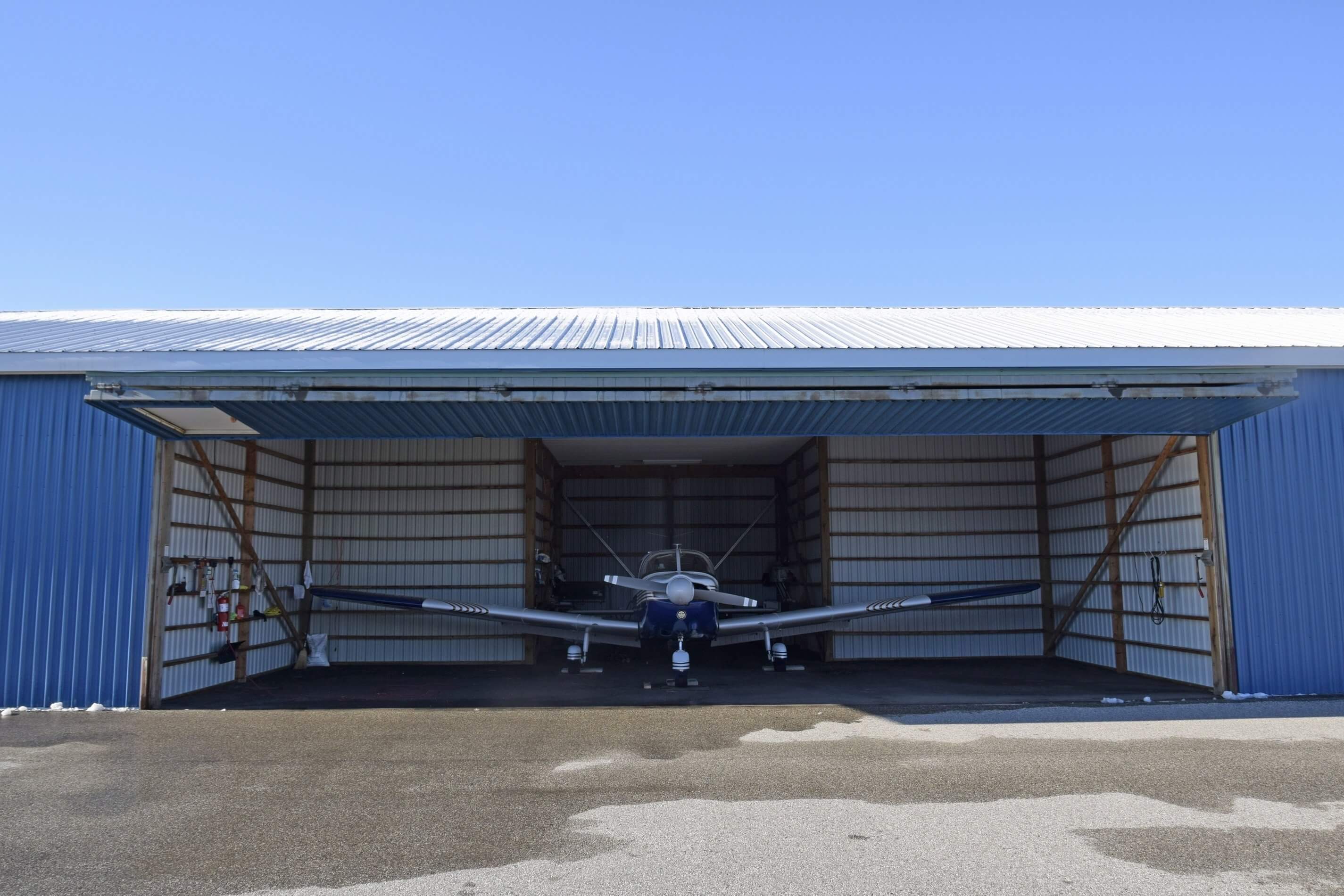
Before putting your airplane in a temporary hangar away from home, review both the aircraft policy and the facility's agreement. Confirm the actual location, dates, custody and any requested insurance wording. A short stay is still a real arrangement, especially when someone else will tow, store or move the airplane.
Temporary space often solves an immediate problem: a long trip, work assignment, maintenance delay or an unavailable home hangar. The temptation is to sign whatever gets the door opened. A better approach is to identify what you are agreeing to insure and whether the requested terms can be provided before accepting the space.
At BWI, we can help review the insurance request against the storage plan. Request an aircraft insurance quote from BWI and send the proposed dates, airport, facility name and insurance section of the agreement. Include any handling or maintenance planned during the stay.
Separate a Trip Stop From a Temporary Base
An overnight stop during a trip and a three month storage arrangement are different facts. Describe the expected duration and how the airplane will be used. Will you fly it frequently from the temporary airport, leave it unattended, or return only when the assignment ends?
Explain whether the stay is definite or open ended. If you are waiting for parts or permanent hangar space, give the best estimate and the reason it may change. An honest range is more useful than a precise date chosen only to complete a form.
Review relevant location, territory and storage language in the actual policy. Do not infer that every temporary location is excluded or that every domestic hangar is automatically addressed without conditions. Obtain an answer based on the wording and facts.
BWI's aircraft insurance overview provides the broader starting point. For a temporary hangar, the useful question is how the proposed stay and the commitments in the agreement fit your current arrangement.
Identify Exactly Who Is Providing the Space
The person who offers the hangar may be the owner, a tenant subletting space, an FBO employee or a maintenance business. Obtain the contracting party's actual legal name and identify who controls access and handling. A building sign is not necessarily the entity making the agreement.
Ask whether the space is exclusive or shared. If other aircraft must move to let yours out, identify who does that work and who may move your airplane. If you will provide keys or authorize engine operation, document the limits of that permission.
Where a broker or listing platform introduces the parties, determine who actually signs the storage agreement. Platform booking information, a payment receipt and the facility's contract may describe different roles. Keep them together instead of relying on a screenshot of the advertisement.
These questions do not decide fault in a future incident. They make the present arrangement clear enough for the owner, facility and insurers to evaluate the right facts.
Use a Temporary Hangar Responsibility Checklist
Work through the checklist before delivering the airplane. Mark an item unresolved if you do not yet have the answer. The purpose is to reveal the missing decision while you can still change the agreement or choose another facility.
| Item | Record before arrival | Why it matters |
|---|---|---|
| Parties | Owner tenant and actual contracting entity | Names in insurance requests need a clear role |
| Aircraft | Registration model and configuration | The facility should know what it will store |
| Dates | Arrival departure and extension process | A delayed stay needs an updated plan |
| Handling | People allowed to tow move or operate | Storage permission should not imply unlimited handling |
| Property | Aircraft tools and detached equipment | Different interests may need separate review |
| Insurance request | Limits wording and certificate recipient | A certificate request may involve policy changes |
| Incident process | Contact details access and reporting steps | Prompt facts are easier to preserve than later recollections |
Read the Insurance Requirements Before Promising Compliance
A facility may request a liability limit, additional insured status or other wording. Send the complete requirement for review, including definitions or attachments it refers to. Do not summarize a paragraph as just a certificate if it asks for something more.
The requested legal name should match the entity that needs the protection. If an agreement lists the airport, management company and building owner, identify each role and the exact request. Avoid adding every name from a letterhead without understanding why it appears.
Ask whether the requested terms are available under your arrangement and when they can take effect. An application, quote and issued endorsement are different stages. The facility's acceptance of a document is also separate from the insurer's actual agreement to provide coverage.
If a requirement cannot be met as written, find out before arrival. The practical choices may include revised language, a different available insurance arrangement or another storage location. Do not solve the problem by signing a promise you have not reviewed.
Keep Contract Liability Review Separate From Certificate Delivery
A hangar agreement may contain more than an insurance clause. It can also address responsibility for damage, releases, indemnity, access and termination. Have important contractual commitments reviewed by an appropriate legal adviser rather than assuming aircraft insurance makes every promise harmless.
For the insurance review, identify what the contract asks you to provide and what liabilities you expect the policy to address. An agreement to pay another party can create a different question from your ordinary responsibility for operating the airplane.
Do not treat the facility's own insurance as a substitute for reviewing your position. Ask for relevant information where appropriate, but avoid assuming its property insurance includes your aircraft or that its liability insurance pays whenever damage happens inside the building.
Likewise, a receipt showing hangar rent proves a payment. It does not explain the terms of either party's policy. Keep evidence of the agreed insurance separate from booking and payment records.
Plan for Towing and Shared Space
The handling plan deserves specific attention in a shared hangar. Find out whether you or facility personnel position the airplane, what happens when another tenant departs, and who may authorize a change. Give appropriate aircraft handling instructions through the facility's established process.
If the aircraft has equipment or dimensions that affect storage, describe them accurately. A removable item may be taken off before entry, while another feature may require a different space. Let qualified personnel determine safe handling rather than relying on an insurance discussion for technical advice.
Tell the insurer if the temporary arrangement includes operation by a pilot not already reviewed. Permission to tow is not the same as permission to taxi or fly. A facility employee's experience does not by itself resolve the pilot conditions in the owner's policy.
When the airplane changes configuration during the stay, update the handling and insurance information as appropriate. The plan made for a standard aircraft may no longer describe one with removed wings, floats or detached equipment.
List Property That Will Stay Outside the Aircraft
Temporary hangar space may also hold your tools, spare parts, baggage or removed components. List meaningful items and identify who owns them. Do not assume an aircraft's insured value automatically explains all property sitting nearby.
Ask how the relevant arrangement addresses the particular property and location. If items move to a workshop, separate storage room or another building, describe that custody change. An open shelf in a shared hangar is a different fact from property installed on the airplane.
Keep identifiers, condition photos and purchase records where practical. The goal is to establish what was present and what interest you had in it, not to promise that a photograph creates coverage.
Avoid double counting a component as both installed aircraft value and separately scheduled property without review. Describe its actual status and ask how the proposed insurance documents should reflect it.
A Two Week Stay That Becomes Six Weeks
Imagine an owner flying to a temporary work assignment. The owner books two weeks in a shared hangar and expects to fly on weekends. A project delay extends the stay, and the facility needs to reposition the aircraft to a different building.
The initial review should describe the operating plan, shared storage and handling permission. Before accepting the extension and different building, the owner updates the dates and location. If a new agreement or insurance request applies, it is reviewed as a change rather than treated as a continuation by assumption.
Suppose the owner then leaves town and asks a friend to bring the airplane home. That adds a pilot and flight question distinct from the storage extension. It should receive its own review before the friend operates.
The lesson is to keep the arrangement current at each decision point. A short stay can develop new facts without anyone intentionally changing the insurance plan. A written extension record makes those changes visible.
Document Arrival Departure and Any Incident
Take appropriate condition photographs and retain the check in record. Record where the airplane is placed and any existing issues noted with the facility. On departure, review the aircraft through the appropriate operational and maintenance processes rather than relying solely on a storage receipt.
If damage or a possible claim is discovered, contact the relevant insurer promptly and follow its instructions. Preserve the available facts, names and records. Do not agree casually to release another party or settle responsibility before the situation is reviewed.
Keep the completed temporary stay file with your insurance records. It should show dates, agreement, accepted insurance documents and important changes. That is more useful than a chain of unrelated texts when a question arises later.
Frequently Asked Questions About Temporary Hangars
Do I Need to Report Every Overnight Hangar Stop?
The actual policy and circumstances govern. Ask how ordinary trip stops are treated and explain any longer or unusual stay. A seasonal base, shared storage contract or changed use deserves more detail than an overnight fuel stop.
Does the Hangar Owner Insure My Airplane?
Do not assume that. Review your aircraft arrangement and obtain relevant information about the facility's responsibilities. Insurance on the building and liability for damage are different questions from physical damage protection for your aircraft.
Can I Supply the Same Certificate Used at Home?
Only after the new request is reviewed. The parties, limits and wording may differ. Send the actual requirement and correct legal names rather than editing an old document yourself.
What if the Facility Moves My Aircraft Without Calling?
Establish the handling authorization before arrival. If an unexpected move occurs, document the facts and update the plan as needed. If there is damage, report it through the appropriate claims process rather than deciding coverage from the movement alone.
Can I Extend the Stay Without Changing Insurance?
Ask what the existing arrangement permits and report meaningful changes in dates, location or use. An extension may be straightforward, but the answer should reflect the actual policy and facility agreement.
Get a Quote From BWI for Temporary Aircraft Storage
We can help you present the temporary hangar arrangement with the right dates, parties and handling details. Send the insurance requirements before committing to particular terms or delivering the airplane.
Get an aircraft insurance quote from BWI or call 866 788 6291. Include where the aircraft will stay, who may move it and what property will be stored separately so the review follows the actual arrangement.
Continue Reading