
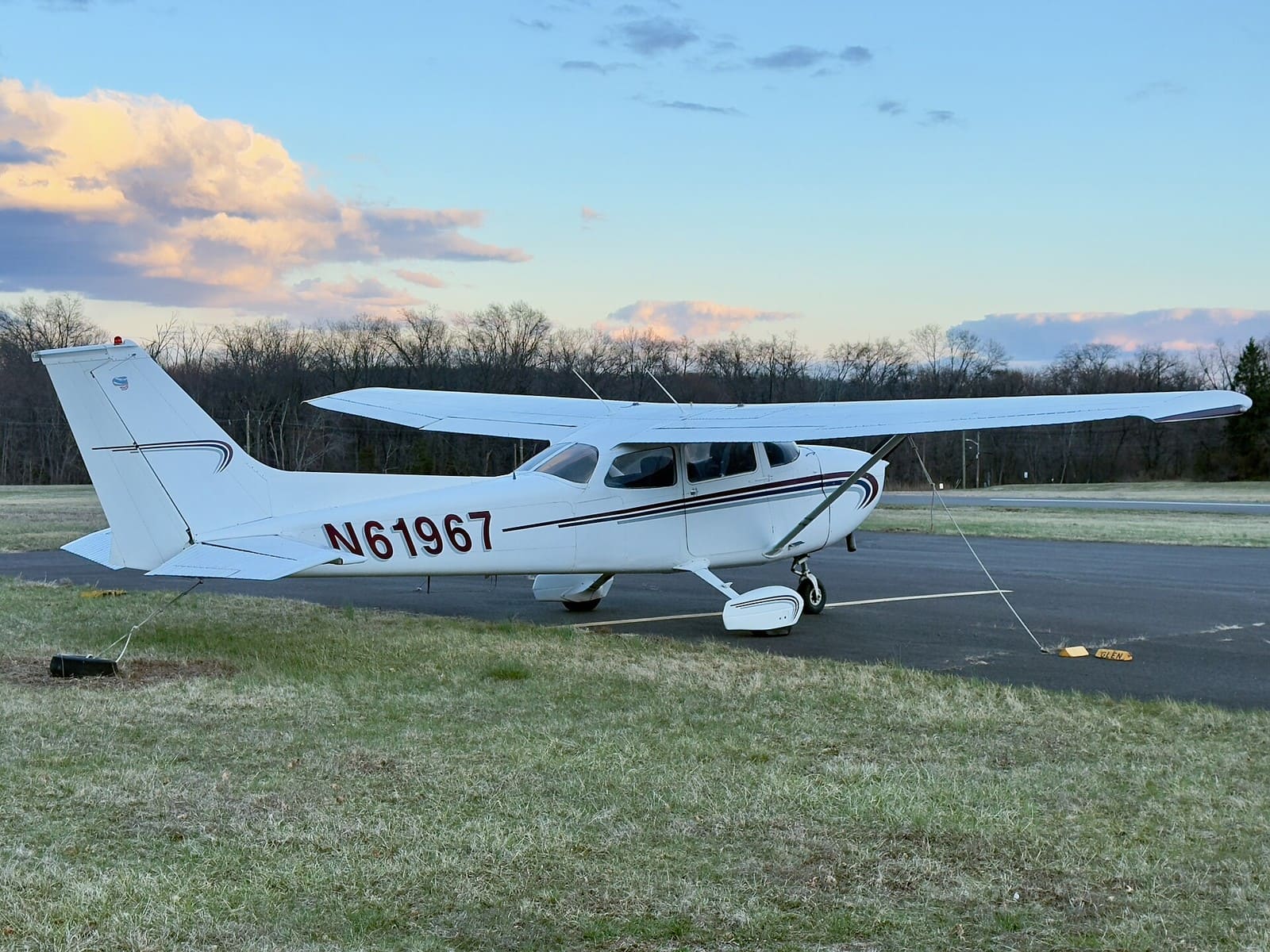
An aircraft kept at a residential airpark connects aviation, property and community responsibilities. Review the aircraft, hangar and association arrangements separately while keeping their shared facts consistent.
Describe the location and use
Identify the aircraft owner, home, hangar and runway arrangements. Explain private use, business activity, visitors and access rights. Provide association agreements and any insurance requirements. The property address alone does not describe how the aircraft or facilities are used.
Compare the relevant policies
Ask about aircraft damage, aviation liability, hangar property and premises exposures. Review exclusions in the actual home and aviation policies rather than assuming one fills every gap in the other. Explain fuel, tools, borrowed equipment and any aircraft belonging to someone else.
Keep changes visible
Report additions such as rental activity, a larger aircraft or a new business use. For example, allowing another owner to store an aircraft can create custody and premises questions. Keep the association’s requirements and each insurer’s accepted description together for renewal and future changes.
Prepare the BWI review
Gather the service description, locations, property values, staff roles, agreements, current policies and factual claims history. Explain proposed changes and the date they will start.
Compare the actual limits, deductibles, exclusions, insured parties and activities. Ask which requested terms are accepted and what remains outstanding. Keep the final documents and reporting instructions with the business records.
Ask BWI to review your aircraft insurance needs for the operation described above. Availability and terms require an individual review.
Continue Reading

