
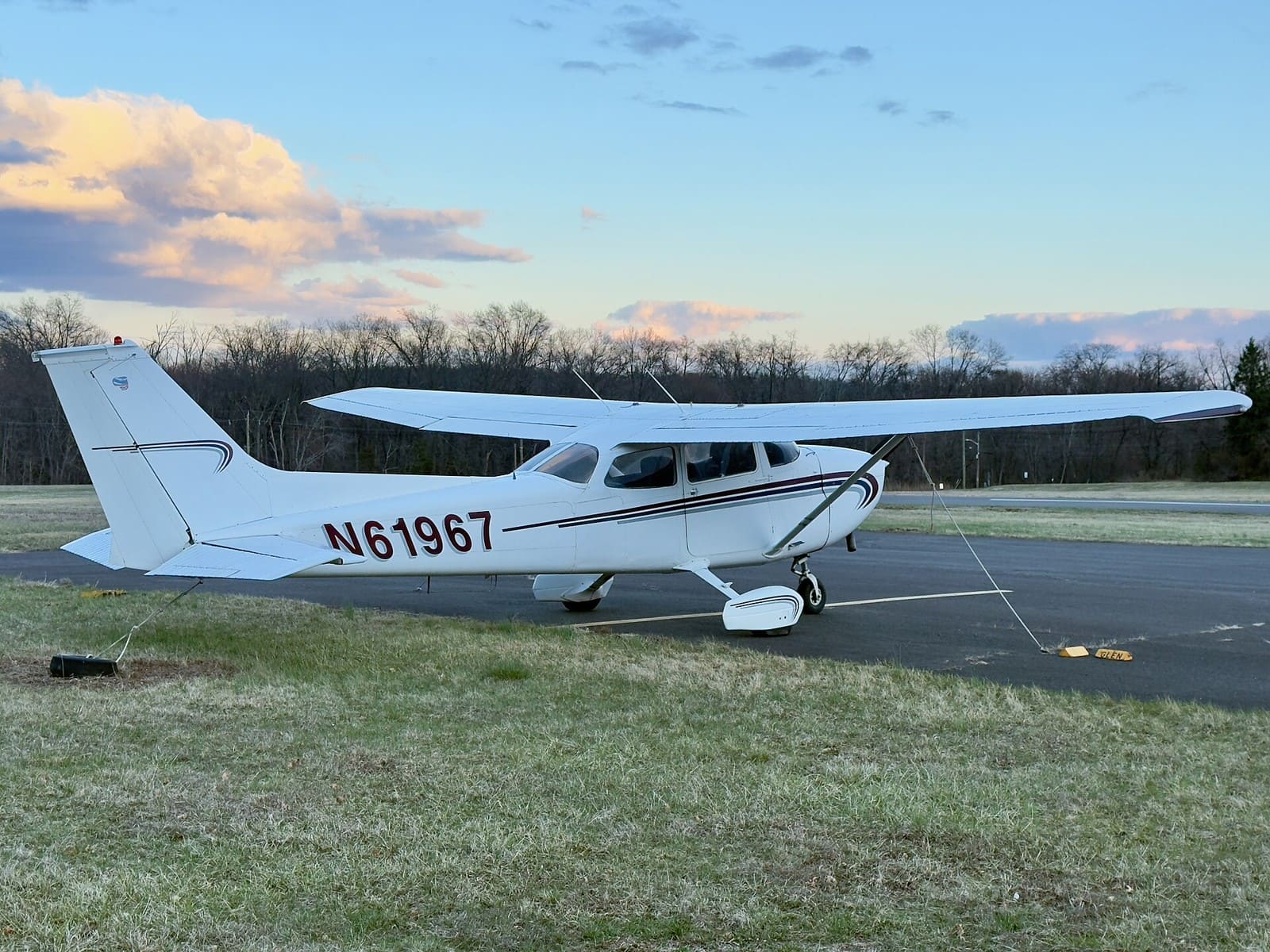
Volunteer animal transport needs an accurate description of the flight and the organizations involved. Unpaid activity can still raise insurance questions about use, passengers, cargo and responsibility for the animals.
Explain the mission
Identify the aircraft owner, pilot, rescue organization and parties arranging transport. Describe the animals, people aboard, routes and any reimbursement. Provide volunteer agreements and the intended frequency of flights. Review legal operating requirements separately with qualified advisers where needed.
Review the aircraft terms
Ask whether the described rescue flights fit permitted use and pilot conditions. Review aircraft damage and liability alongside exclusions affecting animals or cargo. Do not assume a volunteer agreement or the absence of a fee establishes coverage. Request a response on the actual arrangement.
Clarify ground handoffs
Explain who brings the animals, secures them and receives them after the flight. Identify crates or equipment belonging to others. For example, a last-minute passenger changes the original description and should be reviewed. Keep the agreed mission details and reporting contacts with the flight records.
Prepare the BWI review
Gather the service description, locations, property values, staff roles, agreements, current policies and factual claims history. Explain proposed changes and the date they will start.
Compare the actual limits, deductibles, exclusions, insured parties and activities. Ask which requested terms are accepted and what remains outstanding. Keep the final documents and reporting instructions with the business records.
Ask BWI to review your aircraft insurance needs for the operation described above. Availability and terms require an individual review.
Continue Reading

