
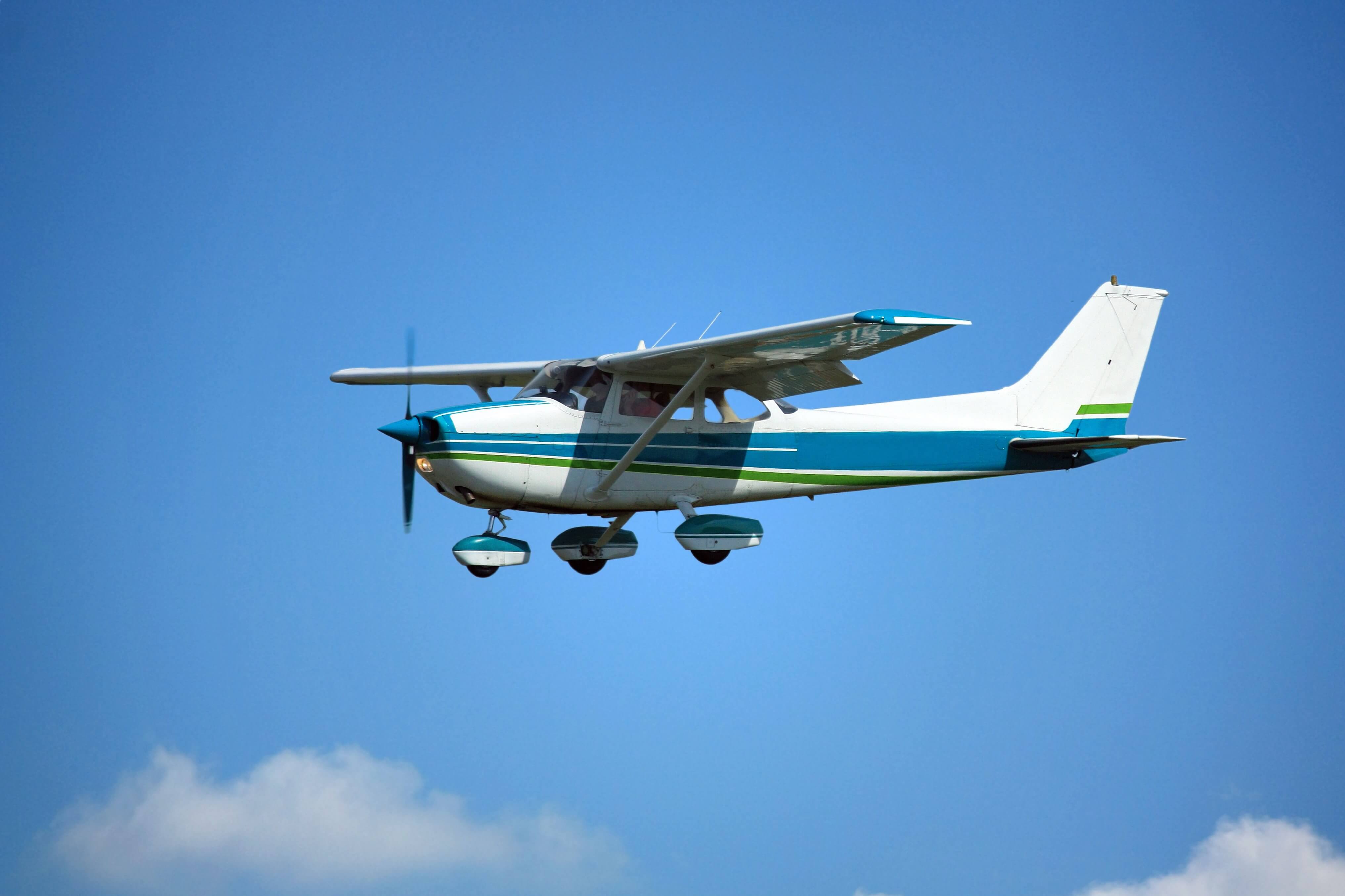
Prepare the insurance questions before a hurricane forces a rushed decision. Any relocation flight must remain a separate operational decision based on qualified judgment and current conditions.
Document the relocation plan
Identify the aircraft, proposed pilot, destination, dates and receiving facility. Review custody and storage at the destination. Keep the aircraft’s condition and movement record clear. If the destination or pilot changes, update the insurance inquiry rather than assuming the original response applies.
Read any expense provision
Ask whether the policy contains relocation expense protection and what triggers, limits, approvals or documentation apply. Review outward and return costs separately. Expense reimbursement and aircraft damage cover are different questions. Keep receipts and written instructions instead of assuming every reasonable cost is payable.
Keep flight judgment independent
Insurance approval does not authorize an unsafe or unlawful flight. The pilot and appropriate aviation professionals must assess the proposed operation. Do not fly solely to qualify for reimbursement. Confirm that the actual pilot and use meet the policy terms while keeping the go-or-no-go decision independent.
Review changes and the return
A changed forecast may lead to another airport or a longer stay. Tell the insurer about material changes and ask how the accepted terms apply. Review the return journey and ongoing storage separately. Keep all responses with the policy so outstanding conditions remain visible.
Bring the facts to BWI
Provide the aircraft or equipment details, parties, intended use, dates and relevant agreements. Include current policies and factual loss information where applicable. Keep unanswered questions visible until the appropriate review is complete.
Discuss your aircraft insurance needs with BWI. Availability and terms depend on the individual submission and the actual policy wording.
Continue Reading
