
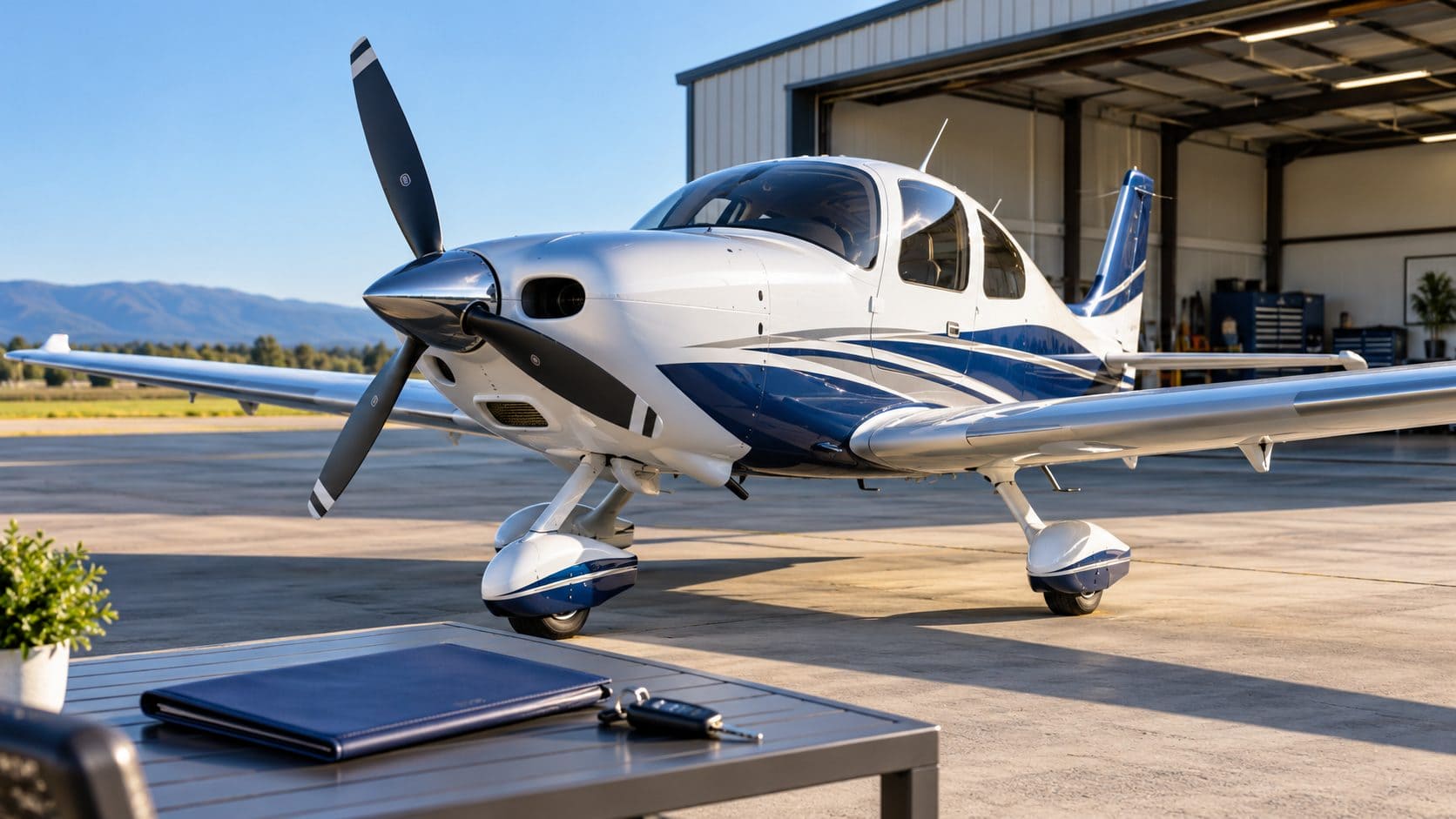
An LLC can own an airplane while you fly it, but the insurance needs to account for both the company and the people involved. The starting point is an aircraft policy that accurately identifies the ownership and operating arrangement, permits the intended pilots and use, and addresses the interests of any lender. Simply putting the LLC name on an application does not resolve all of those questions.
This matters because an aircraft owner, an approved pilot and an insured person are not necessarily the same thing. A policy might permit someone to fly without giving that person every protection the owner expects. The correct arrangement depends on the policy definitions, endorsements and facts of your operation.
At BWI, we help aircraft owners explain those facts before requesting coverage. Whether your LLC holds one personally used airplane or is part of a more involved business arrangement, the goal is to build the submission around how the aircraft will actually be owned and flown. Start with the decisions below, then get an aircraft insurance quote from BWI with the ownership details included.
What Is LLC Aircraft Insurance
LLC aircraft insurance is a way of describing aircraft insurance arranged for an airplane owned or operated through a limited liability company. The phrase is useful for buyers, but it is not a standardized promise of coverage. The insurer still needs to evaluate the aircraft, its value, the pilots, intended use and the entities seeking protection.
For example, a single member LLC holding a personally used piston airplane is a different submission from an LLC leasing a turbine aircraft to another business. The company structure may look similar on a formation document while the aviation exposures differ substantially.
An LLC also does not replace insurance. Questions about the company's legal protections, tax treatment and operating agreements belong with qualified legal and tax advisers. Insurance addresses specified covered losses and liabilities under a contract. Both the ownership structure and the policy need to be appropriate for the actual arrangement.
Who Should Be Named on the Aircraft Policy
Begin with the exact legal owner and explain every other party's role. If the purchase agreement names an LLC, disclose that entity in the application. Also identify the individual owners, the actual operator, any management company and the pilots. Ask which parties should be named insureds or receive another documented status for the exposures involved.
The answer should come from a review of the proposed contract, not a rule that says always name only the LLC or always add everyone. Insurable interests, policy definitions and the operating arrangement matter. An individual member's interest may require attention even when the LLC is already listed.
These terms describe different relationships to the insurance. Keeping them separate makes the document review much more useful.
| Role | What it addresses | What to verify |
|---|---|---|
| Named insured | The person or entity identified in the policy | The LLC name and any other interests requiring that status |
| Approved pilot | Permission to operate under pilot conditions | Qualifications, training and any restrictions |
| Additional insured | Specified liability protection under applicable wording | Scope of protection and endorsement conditions |
| Loss payee or lienholder | A financial interest related to aircraft damage payments | The lender name, payment wording and requirements |
Why an Approved Pilot Is Not the Same as a Named Insured
Pilot approval concerns whether a person meets the policy's requirements for operating the airplane. Insured status concerns whether, and in what capacity, the policy protects a person or entity. Those questions can overlap, but one is not a substitute for the other.
Suppose, hypothetically, an LLC owns the airplane and one member is listed as a pilot. It is still necessary to review how the liability section defines an insured and whether any endorsements affect that member. A list of pilot names alone does not settle every potential liability allegation, ancillary coverage or recovery issue.
The same distinction applies when a friend meets an open pilot condition. That condition should not be read as a blanket assurance that the friend has the same rights as the named insured. Ask for a plain language explanation of the relevant wording before lending the airplane or arranging a delivery flight.
AOPA's discussion of named insureds in aviation policies highlights why identifying the registered owner alone can leave the wider arrangement incompletely described. The practical step is to review your own policy with the full ownership and operating picture disclosed.
Three LLC Ownership Arrangements That Need Different Reviews
One Owner Using an LLC for a Personal Airplane
In this hypothetical arrangement, one person owns the LLC and flies its airplane for personal travel. The insurance submission should identify the company, the individual pilot, the aircraft and the actual use. If the owner expects instruction after purchase or hires a ferry pilot, include those activities and people before binding.
The key question is whether the documents accurately connect the company interest with the individual's flying. Do not describe the owner as a renter simply because the airplane is registered to a separate entity. Ask how the policy treats that ownership interest.
Several Members Sharing One Airplane
For a hypothetical shared ownership LLC, supply the member and pilot information the insurer requests and explain the scheduling and use arrangement. State whether everyone who owns a share will fly, whether some members are students, and whether guests or outside instructors will operate the aircraft.
The membership agreement and insurance documents serve different purposes. A private agreement allocating a deductible among members does not necessarily determine the insurer's obligations. Review the policy alongside the agreement, including what happens when a member leaves, sells a share or wants to add another pilot.
An LLC With a Separate Operating Business
If one entity owns the airplane and another uses or manages it, explain that separation. Provide proposed leases, management agreements and payment arrangements when requested. The named insured review may need to consider more than the registered owner.
This arrangement can raise operational, regulatory, insurance and tax questions that require different advisers. Calling a flight business use does not establish that the operation is lawful or insured. For the related coverage category, review BWI commercial aviation insurance with the complete arrangement disclosed.
What to Check in Liability and Hull Coverage
Liability coverage and physical damage coverage solve different problems. Liability insurance addresses specified covered claims alleging injury or damage to others. Hull insurance addresses covered physical damage to the insured aircraft. Limits, exclusions and conditions can differ between the two sections.
For an LLC owner, review whose liability the policy addresses, the permitted use, applicable passenger sublimits and how defense is treated. Do not assume the company and each pilot receive identical protection merely because they appear somewhere in the paperwork.
For hull coverage, check the aircraft identification, insured value, deductible and payment interests. If an upgraded engine or avionics package is part of the purchase, make sure the proposed value reflects the actual airplane being delivered. The purchase price, loan balance and desired insured value are related figures, but they are not interchangeable.
Ask the broker to identify any coverage conditions that must be satisfied before flight, including training or pilot requirements. An attractive premium is not a complete comparison if one proposal requires a different checkout or provides materially different liability terms. BWI's aircraft insurance page provides the broader starting point for owner coverage.
How Financing Changes the Paperwork
When a lender finances the airplane, obtain its insurance requirements early enough to review them before closing. Confirm the lender's legal name, required evidence and any requested policy endorsements. A lender's interest in the aircraft is different from a pilot's liability exposure.
If the lender requests loss payee, lienholder or breach of warranty wording, have the insurer explain the available wording and its limits. Do not promise a particular endorsement before underwriting confirms it. Also check who receives a hull payment under the policy and how the lender interest is reflected.
A certificate may provide evidence for the closing file, but it does not itself rewrite the insurance contract. The New York insurance regulator's certificate guidance illustrates that distinction. Review the actual endorsement when the lender requires a substantive right, rather than relying only on a description typed onto a certificate.
The Documents to Gather Before Requesting a Quote
An organized submission lets the broker address the real ownership arrangement without repeatedly asking for missing basics. Gather the LLC's exact name, ownership information requested by the insurer, purchase agreement, aircraft details, pilot records and intended use. Include lender requirements and relevant leases or management contracts.
Keep the FAA registration process separate from insurance placement. The FAA aircraft registration resources include guidance for LLC ownership. A registration submission does not establish that an insurer has accepted the risk, and an insurance binder does not complete registration.
Before closing, compare the buyer entity, aircraft registration number, serial number and effective date across the documents. If ownership transfers at a particular time, have the insurance timing reviewed for that handoff. If closing moves, update the broker instead of assuming the original instructions still fit.
Keep a copy of the application you approved. After the policy is issued, compare it with the quote, binding confirmation and requested endorsements. Resolve discrepancies promptly, including an omitted entity, an incorrect pilot or a value that belongs to an earlier version of the transaction.
- Exact legal name of the LLC and requested ownership details
- Aircraft registration number, serial number, configuration and proposed insured value
- Pilot qualifications, recent experience and planned training
- Intended personal, business, instructional or other use
- Purchase closing date, delivery plan and any ferry pilot
- Lender insurance requirements and relevant operating agreements
Common Mistakes With LLC Owned Aircraft Insurance
One mistake is treating the formation of the LLC as the end of the protection discussion. The company may be correctly organized while the insurance still describes the wrong owner, use or pilot arrangement. Those are separate checks.
Another is assuming personal nonowned aircraft insurance necessarily covers flying an airplane held through your own LLC. Ownership definitions and exclusions can address direct or indirect interests. Ask the nonowned insurer to review the actual structure rather than relying on the fact that your personal name is absent from the registration.
A third is overlooking changes after purchase. A new member, an additional pilot, paid instruction, a lease, a new base airport or a management agreement can make the original submission incomplete. Report the proposed change before the new activity begins and obtain any required approval.
Finally, avoid choosing among quotes using only premium and a headline liability limit. Compare named insured wording, pilot conditions, use, hull value, sublimits, deductibles and endorsements. A policy comparison should explain differences that would matter to the owner, not simply rank prices.
Frequently Asked Questions About LLC Aircraft Insurance
Can an LLC Own an Airplane While I Fly It Personally?
Yes, that is an ownership arrangement an insurance submission can describe. The actual policy still needs to address the LLC interest, your operation of the airplane and the permitted use. Confirm pilot requirements and insured status separately before flying.
Does the LLC Automatically Protect Me as the Pilot?
Do not assume that it does. The legal effect of an LLC is a question for counsel, and the insurance protection for a pilot depends on the policy. Company ownership does not eliminate the need to review your own role and potential liability.
Should the LLC or the Individual Be the Named Insured?
Disclose both the company and individual roles, then have the insurer determine the appropriate wording for the arrangement. Avoid a universal naming formula. A holding company, an operating company and an individual pilot can have different interests requiring deliberate review.
Does LLC Ownership Make Aircraft Insurance More Expensive?
The entity name alone is not enough to predict a premium. Underwriting also considers the airplane, pilots, use, values, limits and other relevant facts. Obtain an actual quote instead of relying on a fixed LLC surcharge or an unsupported savings claim.
Can I Use Renters Insurance for an Airplane My LLC Owns?
Do not assume renters or nonowned coverage is eligible. The policy's ownership definitions may affect an aircraft owned through an entity in which you have an interest. Give the insurer the membership details and obtain its answer for that contract.
What Happens if I Transfer My Airplane Into an LLC Midyear?
Tell the broker before the transfer and have the ownership, insured parties, lender interests and effective date reviewed. Do not assume the existing policy automatically transfers with the aircraft. Coordinate any required policy changes with the actual transaction.
Get a Quote From BWI for Your LLC Owned Airplane
Your airplane's insurance should reflect who owns it, who flies it and how it is used. BWI is a family owned aviation insurance agency founded in 1977. We help aircraft owners bring the ownership, pilot and coverage questions into the quote process so the submission represents the operation they are planning.
If you are buying through an LLC, transferring an airplane into a company or reviewing an existing policy, send us the entity name, aircraft details, intended pilots and any lender or operating agreements. We can discuss the information needed to request coverage and identify questions that should be resolved before the ownership or flying arrangement changes.
Get an aircraft insurance quote from BWI or call 866 788 6291 to discuss your LLC owned airplane. Coverage and eligibility depend on underwriting and the issued policy and endorsements.
Continue Reading

