
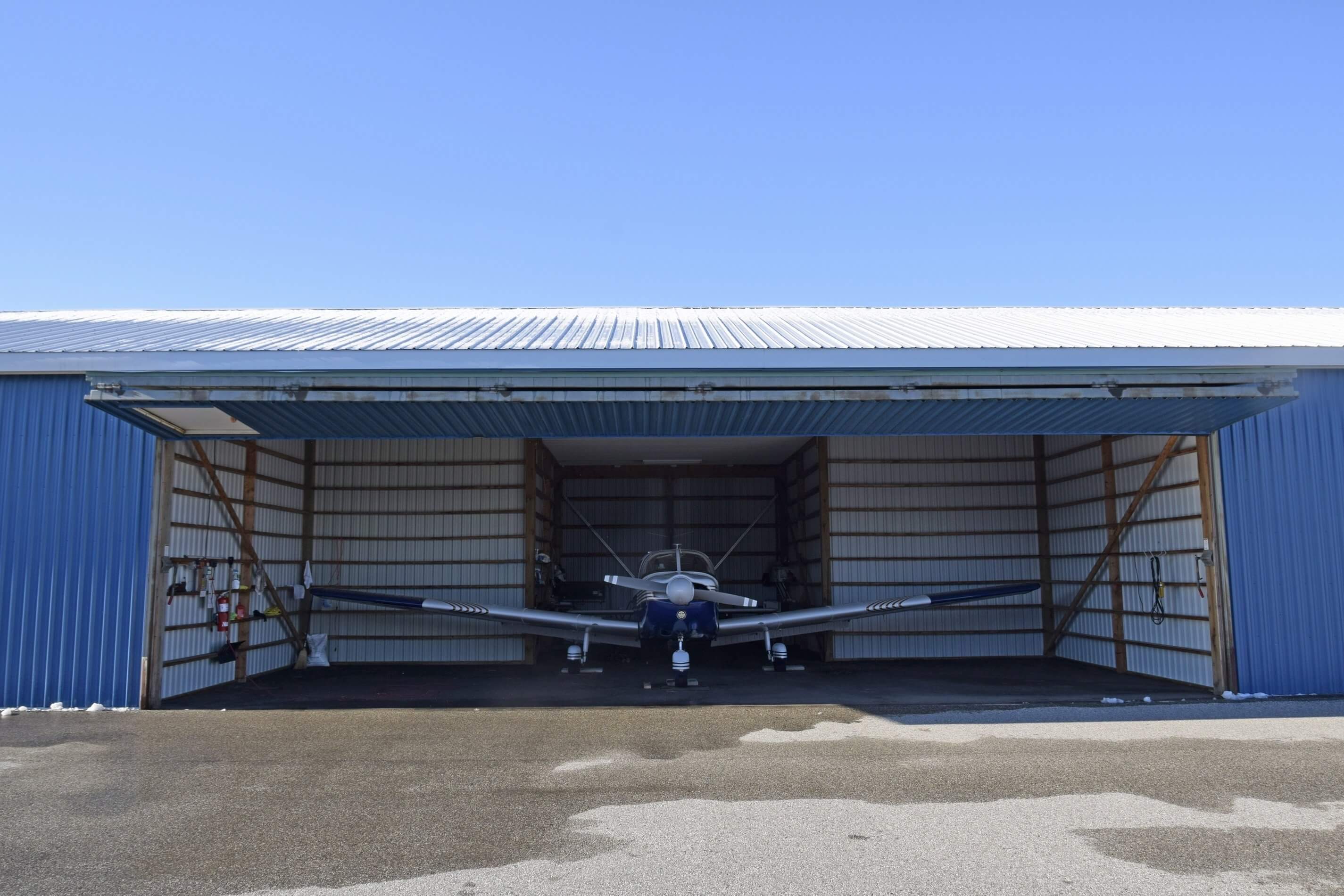
If an annual inspection turns into several months of downtime, review the insurance before reducing coverage or assuming the shop protects the airplane. The aircraft may stop flying while still being stored, moved, opened for work and separated from valuable components. Those facts deserve a more specific description than the airplane is grounded.
The decision is not simply whether you can save premium. Identify the risks that remain, any lender requirements, the activities expected during maintenance and the steps needed before returning to flight. A short delay and a substantial restoration project can require different conversations.
At BWI, we help owners describe the real downtime arrangement and discuss available coverage options. Request an aircraft insurance review from BWI with the work scope, expected duration, aircraft location and any components going elsewhere. If the completion date is uncertain, say so rather than building the review around an optimistic estimate.
Find Out What the Airplane Will Actually Do While Grounded
Start with the shop's current plan. Will the airplane remain in one hangar, be parked outside between work stages or be moved regularly to make room? Will someone perform engine runs, taxi checks or a flight before delivery? Each activity belongs in the description.
Ask which parts will be removed and where they will go. An engine, propeller or avionics unit may leave the airframe for specialist work. The aircraft's current policy description and the shop's custody arrangements should not be assumed to answer every question about separated property or shipment.
Also identify who has authority to approve more work. An annual can uncover a discrepancy that changes the job from inspection to major repair. When that happens, update the insurance facts along with the work authorization. An earlier answer about a brief visit may not fit an airplane that remains disassembled through another season.
A useful review follows the real activity, not merely the original appointment length. That lets the owner evaluate coverage choices against what will happen during the downtime.
Use a Downtime Stage Plan
Break the project into stages and record the expected movement in each. Dates may be approximate, but activities and responsibilities should be clear. The table helps you identify when a proposed coverage change must be reviewed again.
The labels are planning descriptions rather than standardized insurance definitions. Use the actual policy wording and accepted endorsements to determine what each available option permits.
| Project stage | Facts to describe | Decision before the next stage |
|---|---|---|
| Inspection and diagnosis | Location access and work scope | Whether an extended stay changes the original plan |
| Parts waiting period | Indoor or outdoor storage and movement | What protection remains while flying stops |
| Component repair | Removed property ownership and locations | How transit and offsite custody are addressed |
| Reassembly and ground activity | Runs taxi towing and people involved | Whether coverage conditions allow the activity |
| Operational check | Pilot purpose and aircraft release | Any required insurance change before flight |
| Return to normal use | Home base pilots configuration and value | Confirm the restored arrangement and documents |
Ground Coverage Terms Need a Precise Explanation
Owners may hear terms such as ground risk, not in flight, not in motion, storage coverage or layup. Do not assume they all describe the same protection. Ask what the proposed wording does to aircraft damage, liability, movement and operation under your particular contract.
A stationary airplane may still be towed, exposed to weather or worked on by several people. If an option restricts certain activity, make sure the shop and anyone handling the aircraft knows the practical boundary. A note in the owner's insurance file is not enough if the mechanic expects to taxi it tomorrow.
Compare the proposed premium difference with the coverage change and any conditions for returning to flight. Do not focus only on a quoted credit. Find out whether a minimum period, notice procedure or other requirement applies, and whether maintenance downtime is eligible at all under the offered terms.
There is no reason to promise a universal layup saving or assume every insurer treats an extended annual identically. Obtain the actual option and response for the aircraft, policy and work period being discussed.
The Shop’s Policy Does Not Replace the Owner’s Review
The maintenance facility may carry insurance for its business, but that does not establish the owner's protection for every event while the airplane is there. Ask for relevant information and identify the exposure you are trying to address rather than relying on the phrase insured shop.
For example, damage alleged to result from maintenance, damage during a tow and storm damage to a parked airplane can involve different questions. The owner's policy, shop's contract and shop's insurance should be reviewed for their respective roles. Do not decide the answer merely from which building contains the airplane.
Review the work order for custody, storage, subcontracting, movement and insurance obligations. If the shop changes locations or sends the aircraft to another facility, update the owner and insurer as appropriate. A new custody arrangement should not appear for the first time in an invoice after the work.
BWI's aircraft insurance information explains the broader owner discussion. An extended annual needs its own facts, including what remains at risk while the aircraft is not flying.
Track Removed Components and the Finished Aircraft Value
Keep an inventory of valuable items removed for work. Record the component, serial number where available, owner, destination and expected return or exchange. Distinguish a component you continue to own from a core transferred under an exchange agreement.
Send the insurer a useful description when offsite property or transit raises a question. Carrier shipping terms and a repair facility receipt should not be treated as complete insurance explanations. Identify what is being shipped and the value or responsibility you expect the insurance to address.
Review upgrades separately from repairs. A new panel or engine can change the finished airplane, but the total invoice is not automatically the appropriate adjustment to insured value. Discuss the actual aircraft configuration and desired value once the project scope is known.
Preserve the work records and equipment list. When the aircraft returns to service, the final insurance review should describe the airplane that now exists, not the earlier version that arrived for a routine annual.
Check Financing and Other Continuing Obligations
If a lender is involved, obtain its requirements before reducing coverage. An airplane can remain collateral while grounded, and a proposed insurance change may need a separate lender review. Do not assume no flying means no financial interest.
Likewise, review hangar or storage obligations if the aircraft moves to a different place during the delay. Identify any requested evidence or endorsement and obtain the actual wording for review. A private agreement to carry coverage should not be made without understanding what the insurer will provide.
The owner should also maintain a reliable contact and payment process through the downtime. Renewal can arrive while the airplane is still disassembled. An unreturned renewal request or missed invoice should not become an accidental interruption because everyone is focused on the maintenance delay.
Tell the broker when the expected completion crosses a policy anniversary. The new period should be considered using the current condition and planned return, rather than automatically copying an obsolete expected utilization figure.
A Two Week Annual That Becomes a Winter Project
Consider a hypothetical owner booking a routine annual with an expected two week stay. A discrepancy requires a component repair, and the replacement timing becomes uncertain. The airplane is now likely to remain at the shop through winter, with the engine removed and some storage outdoors.
The owner should update location, condition, component custody and expected activities. The insurance discussion can then consider any available downtime option on its real terms. The owner should not cancel because the airplane cannot currently fly, or assume a ground option allows all handling and engine activity.
Later, the shop receives the component sooner than expected and wants to run and taxi the airplane. If coverage was changed, that milestone should trigger a review before the activity, not only before the owner arrives for takeoff.
The stage plan makes the issue manageable. It shows that storage, ground operation and flight are separate transitions. It also helps the owner understand which confirmations are still needed when the shop announces that the airplane is nearly finished.
Prepare the Insurance Return Before the Flight Home
Ask what notice and confirmation are needed to restore the intended operating coverage. Start early enough that the owner is not trying to complete the review while sitting in the cockpit. Preserve the accepted effective date and any pilot or training conditions.
The technical return to service and any operational check requirements also need appropriate review. 14 CFR 91.407 addresses operation after maintenance; have the mechanic and pilot apply it to the work. Insurance confirmation does not replace that process.
Consider the pilot's own readiness after months away from the airplane, especially if its equipment has changed. If an instructor or ferry pilot will help, identify that person and activity for insurance review. The policy should not continue to describe only the owner flying alone if the actual first operation differs.
Finally, compare the issued insurance changes with the requested arrangement. Confirm value, configuration, base and use, and keep the downtime record with the completed maintenance file.
Frequently Asked Questions About Insurance During a Long Annual
Should I Cancel Insurance While the Airplane Is in the Shop?
Do not cancel simply because the aircraft is grounded. Storage, handling and property interests remain, and restarting coverage may require a new review. Compare available options and continuing obligations before making a change.
Will I Automatically Get a Layup Credit?
No universal credit should be assumed. Eligibility, notice, timing and the reason for downtime depend on the offered contract. Ask for the actual terms and calculation rather than using an estimated saving to justify reduced coverage.
Does Ground Coverage Allow the Mechanic to Taxi?
The answer comes from the particular wording and accepted arrangement. Describe towing, engine runs and taxi separately. Confirm what is permitted before the activity and communicate any restriction to the people handling the airplane.
What if Renewal Comes Before the Annual Is Finished?
Provide the current condition, location, work scope and likely return plan for renewal review. Do not repeat an old description showing normal flying if the aircraft is still disassembled. Also identify any temporary coverage changes that need to continue or end.
Are Removed Engines and Avionics Automatically Covered Elsewhere?
Do not assume that. Identify the property, ownership, location, transport and repair agreement, then have the relevant insurance reviewed. Keeping a serialized inventory makes the question specific and helps reconcile items when the airplane is reassembled.
Get a Quote From BWI for an Extended Maintenance Stay
A long annual is easier to manage when the insurance plan follows storage, component work, ground activity and the eventual return to flight. We can discuss those stages and help owners compare available options using the actual downtime facts.
Send BWI the work scope, expected duration, storage location, component details and any lender requirements. Get an aircraft insurance quote from BWI or call 866 788 6291 before reducing coverage or restarting aircraft operations.
Continue Reading