
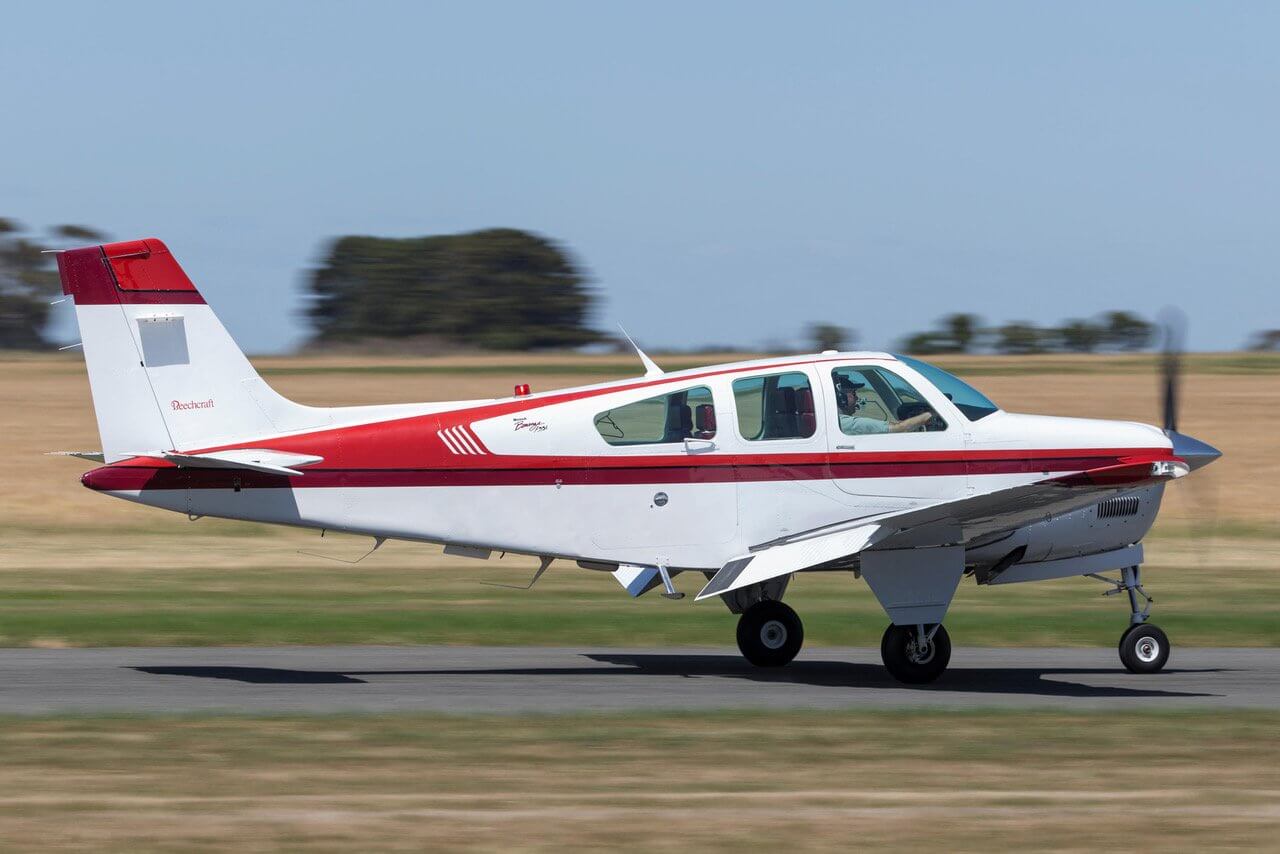
The repair estimate for your damaged aircraft is higher than the insured value shown on the policy. That does not mean the next step is simply to authorize repairs and expect the insurer to pay the difference. First reconcile the estimate with the policy loss provisions and the claim decision being proposed.
The useful questions concern what the estimate includes, what remains uncertain and how the insurer applies the actual contract. At BWI, we help owners organize coverage questions around their aircraft and use. Get an aircraft insurance quote from BWI for future value planning, and work through the assigned claim contacts for the existing loss.
Locate the Relevant Policy Values and Loss Provisions
Obtain the declarations and endorsements for the policy applying to the loss. Identify the insured aircraft value and the provisions addressing partial and total losses. Do not assume a percentage mentioned in an article is the rule in your contract.
Ask the claims representative to identify the wording used for the proposed determination. Repair cost salvage value transport costs and other factors may be addressed differently depending on the contract. The explanation should connect the actual figures and provisions rather than rely on an informal statement that the airplane is totaled.
Also distinguish the policy insured value from the purchase price loan balance replacement shopping budget or current asking prices. Those numbers can matter to the owner financial decision, but they should not be treated as interchangeable amounts the insurer has agreed to pay.
Reconcile the Estimate Before Comparing Totals
A repair estimate can include different categories of work and uncertainty. Ask for an itemized version showing damage related work inspections proposed replacements and any separate maintenance or owner requested improvements. A single bottom line makes the review harder.
Identify whether the estimate is preliminary or based on completed inspection. Ask what remains unknown and whether supplements are anticipated. The point is to understand the current evidence not to assume every possible supplement will occur.
Keep the shop technical assessment separate from the insurance coverage decision. The shop may properly identify work needed for return to service while the policy treats some costs differently. That distinction should be documented before the owner commits to a repair path.
Use an Estimate to Policy Comparison Sheet
The table organizes questions for the claim discussion. It does not state a settlement formula or promise that a listed expense is covered.
| Estimate or claim item | What to verify | Why the distinction matters |
|---|---|---|
| Damage repairs | Scope quantities labor and parts | Connects proposed work to observed damage |
| Inspections and teardown | Purpose extent and authorization | Shows what is known and what may change |
| Maintenance or improvements | Separate nonclaim work | Avoids merging owner choices with the loss estimate |
| Transport recovery and storage | Dates basis and claim instructions | Identifies additional costs needing review |
| Deductible or other adjustments | Actual policy basis | Explains the proposed net amount |
| Total loss determination | Applicable policy wording and supporting calculation | Avoids a universal percentage assumption |
| Unresolved damage | Open items and next information needed | Prevents a preliminary number from appearing final |
Understand the Difference Between Repairability and the Claim Decision
An aircraft may be technically repairable while the insurer proposes treatment under a total loss provision. Technical possibility and the policy economic decision are different questions. Ask the insurer to explain the contractual basis without assuming a total loss label means every component is beyond repair.
Conversely, a low preliminary estimate does not establish technical readiness or require a particular claim outcome. Further inspection can change the scope. Keep the actual findings and policy analysis connected as the file develops.
A product specific example appears in the Avemco discussion of homebuilt damage claims. Its definition belongs to that insurer product discussion. Do not import its threshold into another policy or treat it as a BWI settlement rule.
Identify Who Can Authorize Work
Ask which inspections protective actions and repairs have been authorized and by whom. An owner may have authority to order work under a shop agreement while still needing insurer review before assuming reimbursement. Preserve that distinction in writing.
If the shop needs immediate instructions to prevent further damage, communicate the facts through the appropriate claim channels. Keep records of the action reason and authorization. Do not expand a limited protective instruction into permission for a complete rebuild.
Where investigation or legal preservation interests exist, coordinate those separately before destructive work or disposal. A repair authorization should not be assumed to release all evidence or settle responsibility involving other parties.
Compare the Financial Paths Without Assuming an Owner Choice Controls Coverage
If the insurer proposes a total loss settlement and the owner wants to repair, ask what options are actually available under the policy and proposal. Do not assume the owner can require the insurer to fund a preferred approach beyond its obligation.
If retaining the damaged aircraft is being considered, obtain a specific salvage retention proposal and review the consequences separately. The repair estimate and total loss offer are not enough to establish ownership transfer title storage or future insurance arrangements.
Also consider the lender or other financial interests. Identify who must participate in a settlement decision and how any proposed proceeds are handled under the applicable documents. A loan balance above or below the insured value should not be treated as a change to the insurer contract.
Keep Uncovered or Unresolved Costs Visible
An owner needs a complete decision record even when some expenses may not be insured. Identify proposed maintenance upgrades transport storage inspections deductibles and other costs separately. Ask for the policy basis for adjustments rather than assuming every difference is an error.
Do not promise that a different shop estimate will necessarily change the claim outcome. A second estimate can be useful evidence when appropriate, but it needs to address the same scope and assumptions. A cheaper bottom line may omit work that qualified personnel consider necessary.
If the policy provides a dispute or appraisal mechanism, obtain the actual wording and qualified advice about using it. Do not assume every disagreement follows the same process or that a technical appraisal resolves all coverage questions.
A Hypothetical Estimate Supplement
Imagine an aircraft with a preliminary repair estimate below its insured value. Authorized inspection then identifies additional damage and the revised estimate exceeds that value. This is a planning example not a customer case or settlement prediction.
The owner obtains the revised itemization and the insurer explanation of the policy determination. Maintenance items and proposed upgrades remain separate from damage related work. The file identifies what has been examined and what uncertainty remains.
The owner then considers the available options using the actual proposal lender's requirements and technical advice. The revised estimate does not become permission to sign a broad release or discard equipment. Those decisions require their own review.
Review Future Insured Value Before the Next Loss
After the immediate claim decisions, review how the aircraft value was selected and updated. Equipment changes documented condition and market information can support a future value request. Avoid selecting a low value solely because it produces a preferred premium.
At the same time, a higher requested value should not be assumed automatically accepted or a guarantee of payment for every loss. Provide a supportable basis and read the offered terms. The goal is an appropriate agreement for the actual aircraft.
Our aircraft insurance overview provides broader owner coverage context. This article focuses on the estimate comparison after damage rather than replacing a full valuation or claim review.
Before Committing to the Next Step
- Obtain the applicable declarations endorsements and loss provisions.
- Request an itemized estimate with assumptions and unresolved items.
- Separate damage work maintenance and owner improvements.
- Identify authorized inspections repairs and evidence preservation instructions.
- Ask for the policy basis of the proposed total loss determination.
- Review lender interests and any separate salvage retention proposal.
- Keep disputed and uncovered costs visible in the decision record.
- Obtain qualified advice before accepting a release or alternative arrangement.
Frequently Asked Questions
Does an Estimate Above Insured Value Automatically Settle the Claim?
It raises an important question but the actual policy and claim review govern. Ask for the applicable definition supporting figures and proposed settlement terms. Do not assume the estimate alone establishes the net payment or completes the claim.
Is There One Percentage That Makes Every Aircraft a Total Loss?
Do not rely on a universal percentage. Policy definitions and conditions vary. Obtain the wording used in your claim and have the calculation explained using the actual estimate and any other factors the contract requires.
Can I Insist on Repairing My Aircraft?
You may have preferences but the insurer obligations and options come from the contract. Ask what proposal is available and obtain qualified advice if you disagree. Do not authorize work on the assumption that the insurer must fund a preferred repair path.
Will the Insurer Pay for Maintenance Found During Repairs?
Do not assume all work recommended by the shop is covered. Identify the reason for each item and compare it with the policy. Routine maintenance owner improvements and damage repairs should remain separately described.
Does the Loan Balance Change the Insured Value?
The loan and policy are different contracts. Identify the lender interests and settlement requirements, but do not treat the outstanding balance as an automatic increase in insurance. Review any financial shortfall with the appropriate advisers.
Should I Get Another Estimate?
A second estimate can be useful where appropriate if it addresses the same damage and scope. Discuss the need with the claim parties and qualified advisers. A lower total without comparable assumptions may not resolve the actual technical or policy disagreement.
Get a Quote From BWI for Aircraft Value and Coverage Planning
At BWI, we help owners organize aircraft insurance requests around the aircraft condition equipment use and requested value. For future placement or renewal, provide a supportable value basis and explain material changes rather than repeating an outdated number.
For an existing loss, retain the estimate policy provisions and claim correspondence and work through the assigned claims process. The repair comparison and settlement decisions depend on the actual contract facts and proposal.
Get an aircraft insurance quote from BWI or call 866 788 6291. Tell us whether you are reviewing future insured value or need help identifying the right insurance contact for an existing aircraft matter.
Continue Reading

