
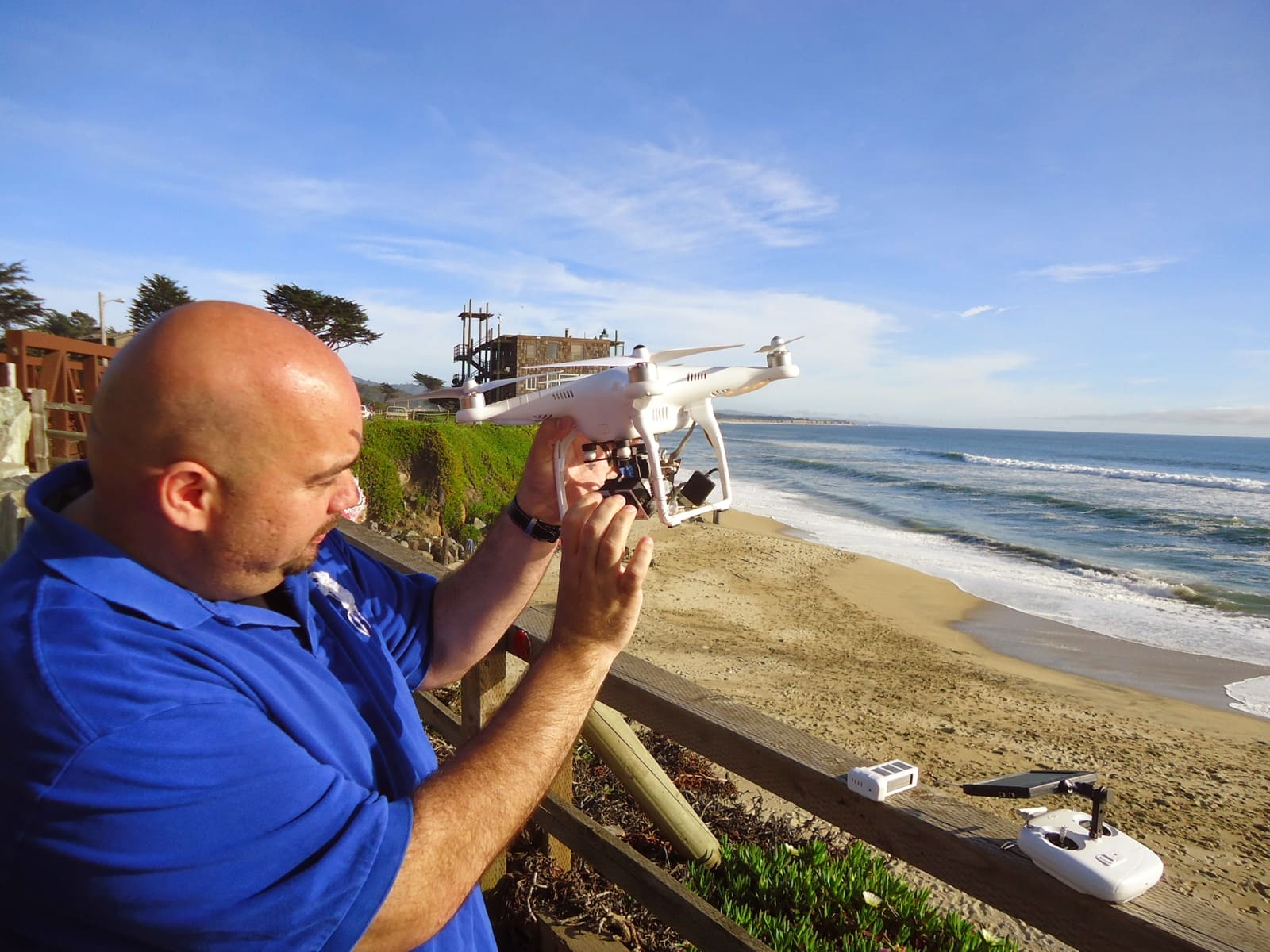
Flying both airplanes and drones can involve different owners, activities and policies. Map each operation separately, then check how shared people, equipment and business arrangements connect.
Describe both operations
List the airplane owner, drone business, pilots and legal entities. Separate personal flying from paid photography or other drone services. A familiar pilot or business name does not mean the same policy covers every activity. Explain each operation in the submission.
Compare the actual protection
Review qualifications, permitted use, territory, limits and deductibles for each policy. Confirm insurer acceptance separately from operating permissions. Provide client and airport requirements in full. Avoid assuming one liability limit applies across both aircraft types or every project.
Maintain equipment and change records
List cameras, sensors, ground equipment and storage or transport arrangements. Identify the relevant reporting instructions for each operation. For example, a new commercial drone service changes the business description even if airplane use stays private. Review both records at renewal and report material changes promptly.
Bring the facts to BWI
Provide the aircraft or equipment details, parties, intended use, dates and relevant agreements. Include current policies and factual loss information where applicable. Keep unanswered questions visible until the appropriate review is complete.
Discuss your aircraft insurance needs with BWI. Availability and terms depend on the individual submission and the actual policy wording.
Continue Reading

