
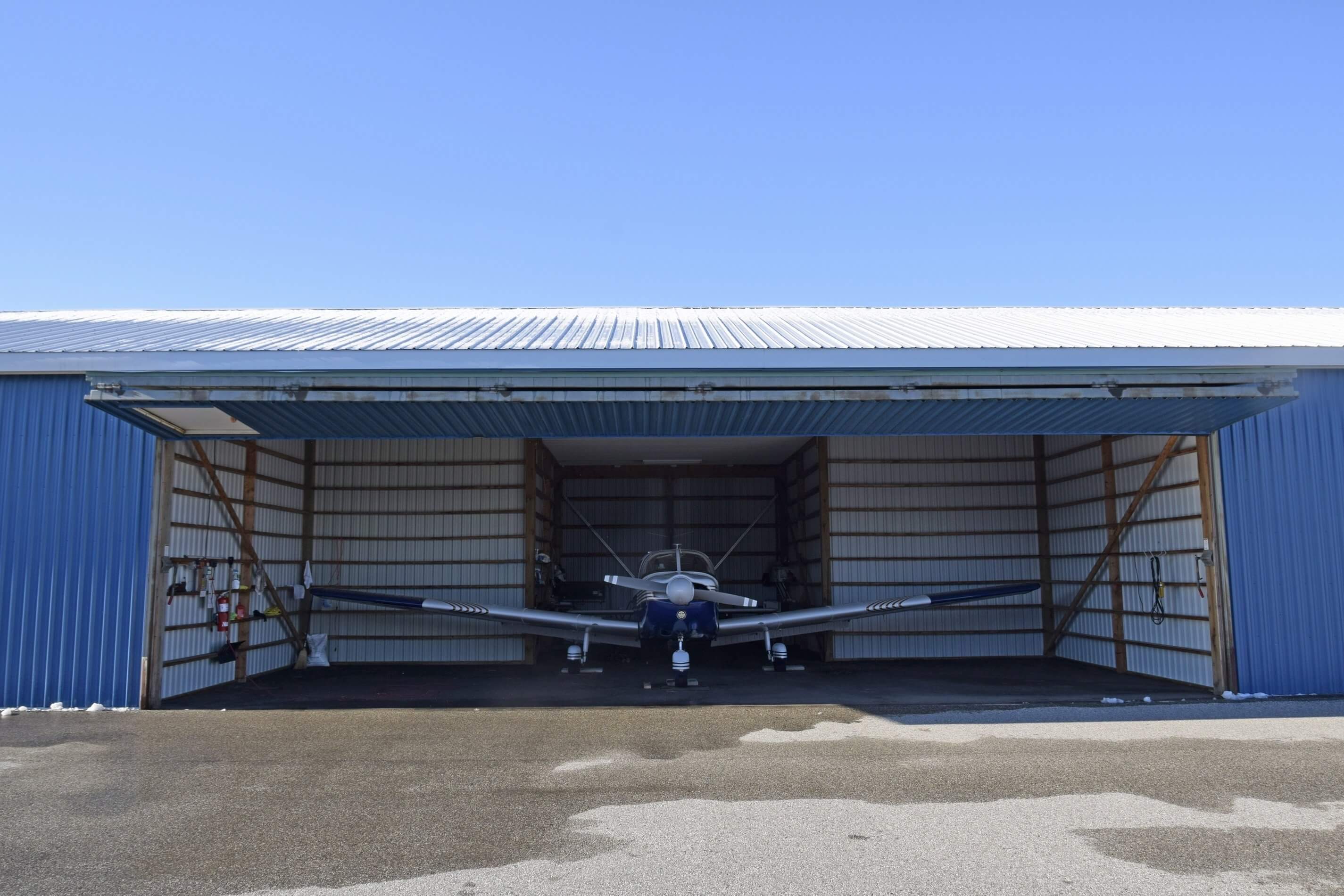
Several businesses can share a hangar without sharing the same insurance needs. A maintenance shop, aircraft owner and detailing business may work under one roof but control different property and accept different customer obligations. One address should not conceal those distinctions in the insurance applications.
Begin by mapping the occupants rather than collecting certificates at random. Identify the landlord, leaseholder, each business and any separate aircraft-owning entity. BWI's commercial aviation insurance information provides the broader context for coordinating these exposures across a shared facility.
At BWI, we can help connect the occupancy arrangements to a specific submission. Request an aviation insurance quote from BWI with the leases, a list of occupants and a description of their work. Tell us when another business will start using the building, before treating its arrival as a simple address change.
Map Who Does What and Where
Draw a simple floor plan showing work areas, aircraft parking, exits and common equipment. Add a list of services performed by each business. Explain who has keys, who can admit customers and whether one business can move another's aircraft or tools.
Provide that description to each relevant broker. An application describing a private storage hangar does not fully explain a building where several businesses accept customer aircraft. If activities change seasonally or a temporary occupant uses the space, include that arrangement in the discussion.
Confirm permissions with the airport and landlord. FAA hangar use guidance distinguishes the policy for designated facilities at federally obligated airports from other situations. Local lease and operating requirements still matter. Insurance availability does not itself authorize a business to operate in a hangar.
Decide Whose Property Is Insured
List the building, tenant improvements, tools, parts, customer components, shared equipment and aircraft. Record ownership and who is responsible under the agreements. Do not assume that a property policy arranged by the main tenant covers another business's property merely because it is physically present.
For aircraft, identify who accepts custody and when that responsibility changes. If one business tows an aircraft into another's work area, ask how the policies treat that movement. Consider hangarkeepers liability wherever customer aircraft are entrusted to an occupant, subject to the actual operations and wording.
Shared tools deserve a clear arrangement too. A tug owned by one tenant but used by three businesses creates questions about authorized operators, physical damage and liability. Agree on maintenance, permission and incident reporting, then ask the brokers to evaluate that real practice.
Review Agreements Between the Occupants
Write down rent, access, damage responsibility and indemnity terms. Identify which party handles housekeeping, door maintenance, security and common areas. A contract should be reviewed for obligations broader than the insurance each business intends to carry.
Consider a hypothetical aircraft moved by a detailer to make room for a maintenance delivery. If damage follows, the parties will need a reliable account of who directed and performed the movement. A shared calendar and permission process can help establish the facts. They cannot determine insurer liability in advance.
Ask whether policies contain restrictions involving related businesses, work performed for other insureds or property in an insured's control. Do not seek a blanket assurance that everyone is covered by everyone else's insurance. The identities, activities and claim allegations must be evaluated against the relevant wording.
Prepare One Incident Process with Separate Reporting Duties
Create a common emergency contact sheet and identify who secures the premises after an incident. Preserve photographs and any available access records. Each business should know its own insurer reporting obligations and should not wait for the main tenant to decide whether an event matters.
Tell staff how to report damage involving another occupant without negotiating fault or promising payment on the spot. Designate who can speak with the customer and who will coordinate factual information among the businesses. Keep legal and insurer communications under appropriate guidance.
At renewal, update the occupant list and facility map together. Changes such as overnight customer storage, a new repair service or additional shared equipment should trigger a fresh review during the year as well.
Schedule a joint occupant review when a new business enters the building. Walk through access, equipment use and customer handoffs in the space itself. A broker can then work from an agreed description instead of conflicting accounts of what happens at the same address.
Build an Occupant Responsibility Matrix
Use one row for each business, including a business owned by the same people as the main tenant. Record the legal entity rather than only the name on its sign. Shared ownership does not make the companies interchangeable in contracts or insurance submissions.
Complete the matrix together during a walk through. A manager may believe a tug is used only by its staff while another occupant considers it common equipment. Discovering that difference before a movement is more useful than sorting it out after damage.
| Responsibility | Main tenant | Other occupant | Evidence to retain |
|---|---|---|---|
| Space and access | Identify leased and common areas | Identify actual work and storage areas | Lease, floor plan and key record |
| Aircraft custody | Describe aircraft accepted or moved | Describe each service and handoff | Work orders and movement authority |
| Property | List owned and borrowed equipment | Identify tools and inventory brought in | Ownership schedule and agreements |
| Customer promises | Identify contracting business | Identify any subcontracted service | Current customer and subcontract terms |
| Shared equipment | Name owner and authorized users | Describe use and maintenance duties | Equipment agreement and incident process |
| Insurance evidence | Keep own terms current | Supply requested accurate evidence | Policy references and issued documents |
Follow One Customer Aircraft Through the Building
Choose a representative job and trace it from arrival to departure. Who accepts the aircraft? Who holds its keys? Does the customer contract separately with the mechanic and detailer, or does one business sell the complete service and subcontract part of it? Describe those relationships to the relevant insurers.
Mark each handoff. If the mechanic finishes work on Tuesday but the aircraft remains until Friday for cleaning, identify who has responsibility during the interval. Shared floor space does not explain custody. A dated work record and agreed communication process make the actual sequence understandable.
Check whether a customer's instruction to one business reaches the other. A request to avoid moving an aircraft, protect a removed component or delay access should be communicated through the people responsible. Insurance documents cannot compensate for an operating arrangement nobody understands.
Use BWI's existing hangar insurance discussion for the broader coverage categories. The shared occupancy task is narrower: establish which business performs each activity and have its protection considered against that role.
Plan for an Occupant Joining or Leaving
Before a new occupant enters, compare its planned activities with the building's existing description. A storage tenant and a customer facing service business may use the same bay very differently. Identify the first access date, property arriving, staff permissions and any work before the formal rental period.
Keep the landlord's permission separate from the insurance response. Both may need updating, but receiving one does not automatically complete the other. Record outstanding items and make them visible to the person arranging access.
At departure, document property removal, returned keys and unfinished customer work. If an aircraft remains awaiting parts or pickup, do not assume every responsibility ends with the occupant's last rent payment. Review the actual remaining arrangement and retain the relevant correspondence.
A Shared Tug with Three Different Users
Consider a maintenance shop leasing a hangar and allowing a separate detailing company to use one bay. A third business stores its own aircraft in the building. All three occasionally use a tug owned by the shop, although the original insurance submission described shop employees as its operators.
The practical review identifies the equipment owner, each user's business, whose aircraft is moved and who authorizes movements. The businesses establish a permission and reporting process and send that arrangement for insurance review. They do not simply exchange certificates and assume the tug is covered in everyone's hands.
Later, the detailer adds an evening subcontractor. That is a new fact for the operating process and any relevant insurance conditions. The example does not assign fault or predict a claim outcome. It shows why shared equipment needs a defined relationship, not an informal assumption based on friendship.
Frequently Asked Questions About Shared Hangar Insurance
Can One Policy Cover All the Businesses?
Ask what arrangements are available for the actual entities and work. Do not assume either that one program is sufficient or that every occupant always needs a completely separate placement. The proposed insured structure, property interests and policy terms need review. List the businesses accurately before choosing a structure.
Does Sharing an Owner Mean Sharing Insurance?
Common ownership is information to disclose, not proof that every company is insured. Explain the legal names, contracts and activities of each entity. Avoid using the main tenant's name as a substitute for an occupant that signs customer work orders in its own name.
Who Insures a Customer Aircraft Between Services?
Identify who has custody, what was agreed with the customer and which work is pending. Have the relevant arrangements reviewed. A customer aircraft remaining in the same building can pass between different businesses and responsibilities without visibly moving to another address.
Should Every Occupant Be an Additional Insured?
Start with the actual request and each party's interest. Ask what the offered wording provides and for which operations. Adding names without understanding their roles can leave the underlying responsibility questions unresolved. Do not promise reciprocal protection based only on a certificate exchange.
What if One Business Reports Damage to Its Insurer?
The other businesses should still follow their own reporting duties and seek appropriate guidance. One report does not automatically satisfy every party's conditions. Share accurate factual records through the appropriate channels while avoiding informal promises about fault or payment.
Get a Quote from BWI for Your Shared Hangar Arrangement
We can help review the occupancy, services and property relationships that make your facility different from a single owner storage hangar. Bring the current agreements and a practical account of the work, including customer handoffs and shared equipment.
Get an aviation insurance quote from BWI or call 866 788 6291. Include the occupant matrix and next planned change so we can help identify the information needed for a clear submission.
Continue Reading