
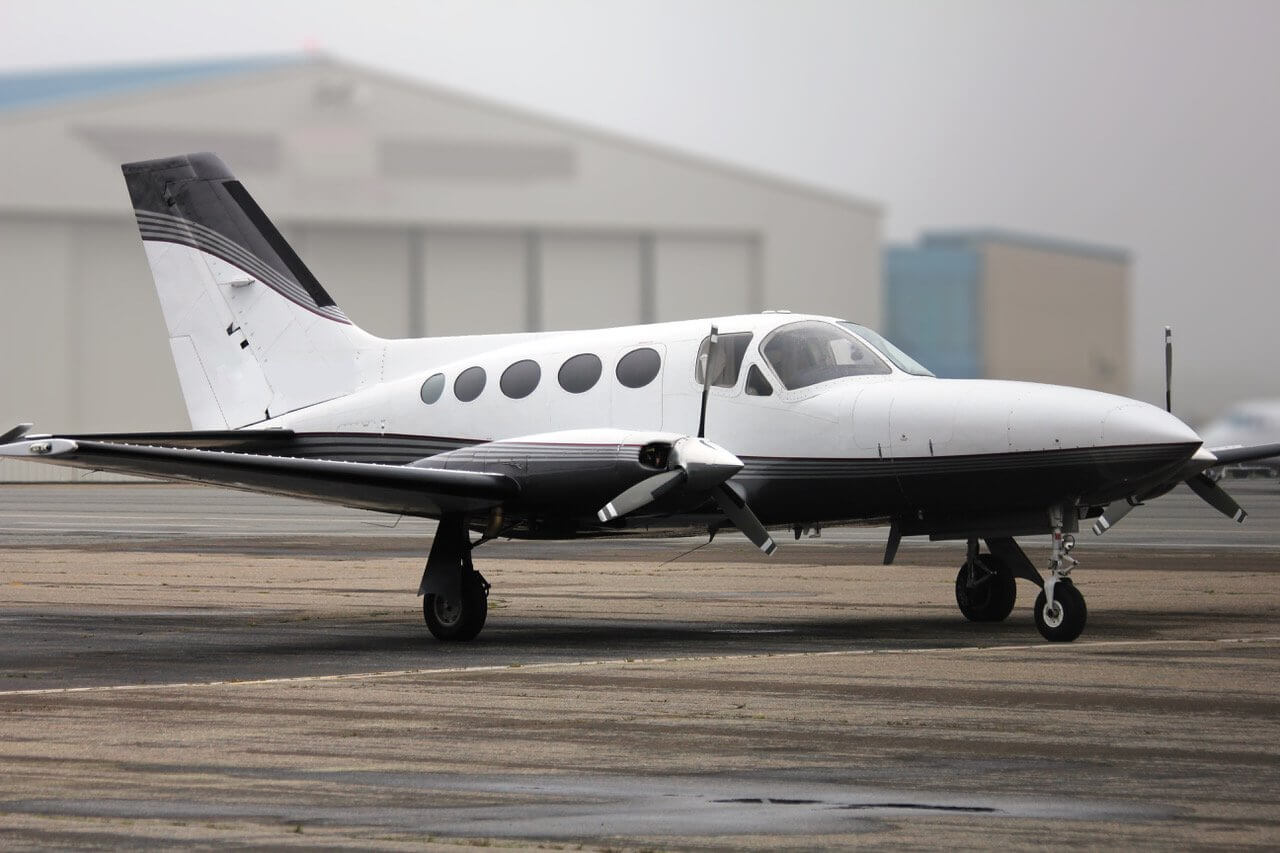
When a commercial aircraft is grounded for repairs, obtaining a substitute can solve a scheduling problem while creating a new insurance problem. A temporary replacement may differ in ownership, value, seating, equipment and operating requirements. It should not enter service on the assumption that the existing policy follows every aircraft the business uses.
Read the current policy's substitute or nonowned aircraft provisions with the broker. Then describe the actual arrangement. BWI commercial aviation insurance information provides general context, but a short-term aircraft needs a specific review of definitions and conditions.
If a repair grounding has you arranging another aircraft, request an aircraft insurance quote from BWI before signing the replacement agreement. We can review the substitute, ownership arrangement, intended use and temporary dates together rather than treating the replacement as an automatic extension of the original aircraft.
Explain Why and How the Aircraft Is Replacing Yours
Identify the grounded aircraft, the reason it is unavailable and the expected repair period. Provide the substitute registration, owner, model, seating, value and planned missions. Explain whether the replacement will be borrowed, leased without crew or supplied as part of another operator's service.
Those arrangements should not be treated as equivalent. A policy provision may depend on the reason for substitution or the kind of replacement aircraft. Ask the broker to identify exactly which wording would apply, what notice is required and whether an endorsement or separate placement is needed.
Include any period when both aircraft may be in use. If the original aircraft returns early but the substitute remains available through the lease term, tell the insurer before operating both. The factual basis for temporary replacement may change before the contractual rental period ends.
Separate Liability from Aircraft Damage
Ask whether the proposed arrangement addresses liability arising from operating the substitute and damage to the substitute itself. Identify the selected value, deductible and any maximum aircraft or seating restrictions. Do not assume that a nonowned liability extension supplies full physical damage protection.
Examine the owner's lease demands for downtime, diminished value, loss of income and substitute expenses. Some promises may exceed the insurance being purchased. Ask which obligations are supported and decide how any retained exposure will be handled before signing the aircraft acceptance.
Confirm the People and Operating Authority
Provide pilot and crew information for the substitute model. Identify required transition training or any differences from the aircraft normally flown. Insurer approval for the original aircraft should not be treated as automatic approval for a different model or role.
Keep regulatory authorization separate from insurance. A Part 135 operator must address its applicable aircraft and operational approvals through qualified personnel. The FAA Part 135 resources describe that framework. A binder does not authorize the substitute aircraft to operate under an existing certificate.
For a hypothetical repair delay, the borrowed aircraft might be needed for an additional month and an international trip. Notify the broker before accepting the extension or new mission. Duration and territory changes can matter even if the aircraft and pilots stay the same.
Document Entry and Return
Create an acceptance report recording condition, equipment, records and custody time. Coordinate the insurance effective time with delivery, including any ferry flight. Confirm what evidence the owner and any lender require and whether the proposed policy supports the requested designations.
Set a review date before the lease expires. Record whether the original aircraft is ready, whether the substitute is still needed and whether insurance changes are required. Avoid leaving a temporary arrangement open indefinitely simply because repairs are taking longer than planned.
On return, document condition and custody, resolve incident reporting and obtain confirmation before removing coverage. A delayed pickup or return flight can create an interval after the planned lease end.
Give the return instructions to the person managing the repair schedule. That person may hear about delays before the insurance administrator does. Linking those roles helps the business identify when a temporary arrangement needs an extension instead of discovering the issue during a customer dispatch.
Map the Substitute Aircraft Timeline
A repair date is rarely the only date that matters. The replacement may be collected before the original enters the shop, remain on hire while parts are delayed and return after the repaired aircraft resumes service. Show those stages separately.
Use actual calendar dates where available and identify estimates as estimates. A repair shop's projected completion date is not a guarantee that the substitute arrangement will end then. Assign someone to review the timeline when the shop reports a delay.
Keep the response to the temporary aircraft request with the agreement and schedule. If the policy is amended or a separate arrangement is placed, retain the resulting documents. A replacement request email alone does not demonstrate that the requested terms were accepted.
| Stage | Information to establish | Insurance question to resolve |
|---|---|---|
| Before signing | Replacement identity, owner and proposed agreement | What arrangement is actually being requested? |
| Collection | Place, date, ferry responsibility and condition record | When does your responsibility begin? |
| Temporary operation | Intended flights, pilots and permitted use | What protection and conditions apply during use? |
| Repair delay | Revised return estimate and any changed mission | Does the accepted arrangement need updating? |
| Overlap | Both aircraft available or operating | How is each aircraft treated during the overlap? |
| Return | Handoff, acceptance and unresolved damage | When does temporary responsibility actually end? |
Understand Whether You Are Hiring an Aircraft or Buying a Service
The business may obtain an aircraft it will operate, or purchase transportation provided by another operator. Those arrangements raise different questions about operational control, crew, insurance interests and contractual responsibilities. Describe the actual proposed facts instead of selecting a label merely because it appears in a supplier's quote.
Provide the complete agreement and identify who supplies pilots, schedules flights, maintains the aircraft and makes operating decisions. Obtain appropriate legal and regulatory advice about the arrangement when needed. An insurance review does not establish that a particular operating structure is lawful or authorized.
BWI’s commercial aviation insurance information provides broader context for commercial aircraft operations. For a temporary replacement, focus the submission on the actual business relationship and the specific aircraft. Do not assume that a supplier's insurance statement answers your own obligations under the agreement.
Give the Replacement Its Own Value and Condition Review
The substitute may have a different value, equipment configuration or damage history from the grounded aircraft. Collect the actual details rather than copying the original aircraft's schedule. Identify any requested hull value, deductible responsibility and contractual obligation for damage to the replacement.
A condition record at collection should be understandable to both parties. Identify existing issues and preserve the agreed photographs or reports with the aircraft identification and date. This is practical transaction evidence, not a declaration that every later disagreement can be resolved from photographs alone.
Read promises concerning loss of use, downtime, diminished value and return condition carefully. A lease may require more than the insurance arrangement provides. Ask for a comparison before accepting the agreement and make the business decision about any remaining obligation deliberately.
Plan the Overlap Before the Original Aircraft Returns
Imagine an illustrative operator using a replacement while its regular aircraft awaits a component. The repaired aircraft then becomes available earlier than expected, but the replacement is booked for another trip before its return date. The situation has changed from one temporary substitute to a period when two aircraft may be available or operating.
Describe that overlap before either flight. Identify the dates, pilots and intended use of each aircraft. Ask for the actual policy treatment rather than relying on the original repair explanation. The availability of the repaired aircraft may matter to a temporary provision, but the answer depends on its wording and the accepted arrangement.
At return, record who accepted the replacement and when possession ended. Resolve or document outstanding condition questions through the relevant process. Do not request an insurance change using the flight's landing time if the business remains responsible for the aircraft through a later handoff.
Assign One Person to Track the Temporary Arrangement
Make one person responsible for collecting repair updates, replacement owner communications and proposed trip changes. This does not replace the operator’s normal release authority. It prevents separate teams from relying on different return dates or assuming someone else has submitted a change. Keep a short dated record of each decision and its supporting response.
Frequently Asked Questions About Substitute Aircraft Insurance
Does My Existing Policy Automatically Cover a Temporary Aircraft?
Check the actual wording and request a review of the proposed aircraft and arrangement. Some policies may contain relevant provisions, but their definitions, conditions and limits matter. The fact that the original aircraft is under repair is not enough to promise a result.
What if the Replacement Is More Valuable Than My Aircraft?
Submit its actual value and the contractual requirements. Ask how physical damage protection, limits and your retained responsibilities would be arranged. Do not assume that the original aircraft's insured value transfers to another aircraft or satisfies the replacement owner's requirements.
Can I Use the Same Pilots Without Further Review?
Provide the replacement model, intended crew and training records. Acceptance for the original aircraft does not by itself answer every question about the substitute. Resolve any relevant pilot or training condition before relying on the temporary aircraft for a trip.
What Happens if the Repair Takes Longer Than Expected?
Update the proposed dates and any changed use before the accepted period ends or the operation changes. Keep the resulting response. A repair delay should trigger a review of the temporary arrangement rather than an assumption that every related insurance term extends automatically.
Should I Cancel the Temporary Arrangement as Soon as My Aircraft Is Ready?
First establish when you will stop using the replacement and when responsibility under its agreement ends. Review any overlap and return obligations. Request the appropriate insurance change with accurate facts and retain the confirmation rather than relying on the repair completion notice alone.
Get a Quote from BWI for a Temporary Substitute Aircraft
We can help review a repair replacement around the aircraft, agreement and actual operating timeline. Send the replacement details, proposed dates, pilot information and the agreement's insurance requirements before collection. Highlight any possibility that both aircraft will be used during an overlap.
Get an aircraft insurance quote from BWI or call 866 788 6291. If repairs, return dates or planned flights change, let us know so the insurance discussion follows the current arrangement.
Continue Reading