

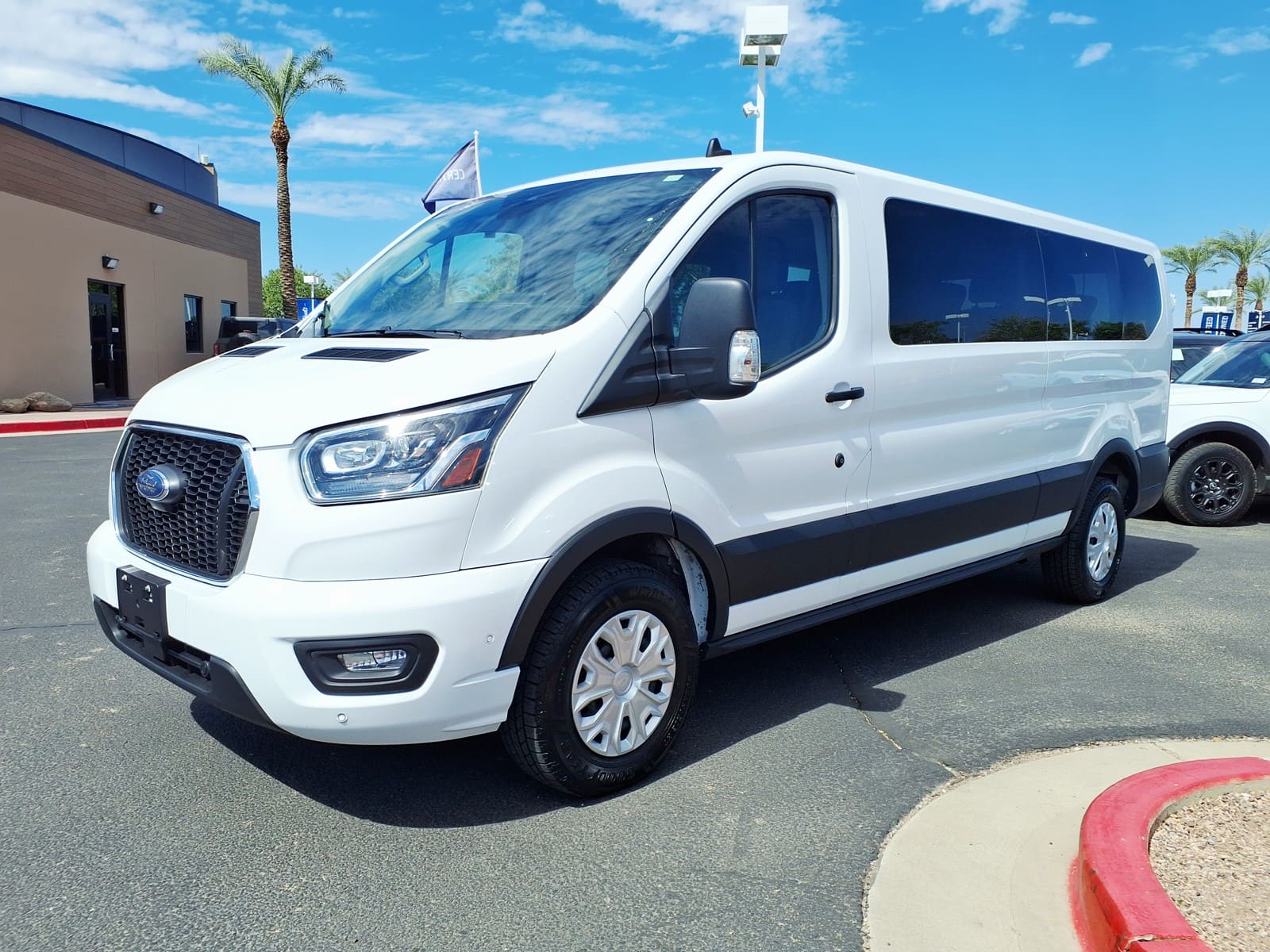
A drone business that drives to jobs needs to review the road journey as well as the flight. The vehicle, the person driving, the equipment inside and the operation at the destination can involve different insurance questions. Owning a drone policy should not be treated as confirmation that every road related exposure is insured.
Begin with an accurate account of how the business uses vehicles. An owner driving a personal car, an employee using a company van and a team renting a vehicle for a project are different arrangements. Explain the actual facts to the relevant insurance professionals instead of assuming that the word commercial makes them equivalent.
BWI offers commercial auto insurance discussions for businesses, alongside its aviation insurance work. This guide helps a drone business prepare the vehicle and driver facts for that review. Acceptance of a particular vehicle, driver, rental or use depends on underwriting and the offered terms. The article does not determine state requirements or promise that one arrangement insures every part of a drone assignment.
Map the Journey From Equipment Pickup to Return
Write down the ordinary sequence for a job. Identify where the crew collects equipment, who drives, which vehicle is used, where it may be parked and how the equipment comes back. This makes the inquiry more useful than a statement that the business occasionally travels.
Include travel that falls outside the flight appointment. A crew may collect rented sensors the previous afternoon or keep equipment overnight before returning it. Those facts matter to the description of custody and vehicle use even when the client only thinks of the assignment as a short aerial photography visit.
Do not turn the timeline into a coverage conclusion. Use it to identify the questions that need answers from the relevant policies. The vehicle review and equipment review should follow the actual trip rather than an artificially narrow period beginning when the drone takes off.
Identify Vehicle Ownership and the Named Business
Prepare the current vehicle owner, the business using it and the person responsible for the insurance. If the owner is an individual but the work is contracted by an LLC, explain that relationship. A business name on an invoice does not establish how the vehicle is insured.
For a company owned vehicle, provide the identifying information and actual use requested by the vehicle insurance contact. For a personally owned car used for jobs, describe that business use explicitly. Ask what the actual arrangement supports rather than assuming a personal policy always accepts or always excludes every work trip.
Keep ownership changes visible. Moving a vehicle into a company, replacing it or allowing another business to use it can create a different review. A prior answer about one ownership arrangement should not be copied into a new submission without checking the changed facts.
Explain Who Drives and Under What Arrangement
List the people who actually drive for the drone business and describe their roles. An owner, employee, temporary assistant and independent contractor should not all be described as the operator if that label hides who controls the vehicle and whose business is using it.
Give the vehicle insurance contact the information it requests through the appropriate channel. Keep a current record of who is proposed to drive, but do not circulate personal records unnecessarily to clients or the entire crew. The insurance review should receive accurate information without turning a project folder into a general personnel file.
If a new assistant begins driving during a busy season, ask what the existing arrangement requires before relying on it. A person being qualified to operate a drone is not an answer to vehicle driver acceptance. Likewise, being an accepted driver does not determine whether that person is an accepted aircraft operator.
Review Business Vehicle Use With the Appropriate Insurer
The California Department of Insurance describes business auto protection as dependent on the coverage purchased and the vehicles to which it applies. Its guide is California educational context, rather than a determination for every state. Ask BWI to explain the actual offer for your vehicles, drivers and use, including which interests remain outside it.
For your inquiry, describe trip frequency, destinations, drivers, ownership and the actual work performed with the vehicle. If equipment is routinely carried or the vehicle is fitted for field operations, explain those facts. The responsible insurer can then ask the questions relevant to the real proposal.
Ask about liability arising from business vehicle use separately from physical damage to the vehicle. A discussion of one does not establish the other. When reviewing an offer, identify the vehicles or categories to which each coverage applies, any deductible and the requested use. Obtain an explanation of unfamiliar wording instead of comparing only a total premium.
The NAIC’s small-business guidance also distinguishes commercial auto from a typical business owners package and notes that rented or employee vehicles may need particular provisions. Use that distinction to frame questions, not to assume an extension exists. Ask what the company’s liability arrangement addresses, whose interests it protects and how damage to an employee’s own car would be considered under the actual documents.
Prepare a Drone Business Vehicle Review
| Review area | Facts to prepare | Question to resolve |
|---|---|---|
| Owned vehicle | Legal owner business use drivers and vehicle details | Does the actual vehicle arrangement match the disclosure? |
| Employee vehicle | Whose car is used and for which business trips | What personal and business insurance questions need separate review? |
| Rented vehicle | Rental agreement intended drivers dates and use | Which responsibilities and protection are actually offered? |
| Equipment | Drone payload accessories ownership and values | How is property addressed during transit and parking? |
| Client requirement | Complete auto aviation and other insurance clauses | Which document and policy can support each requested item? |
| Field setup | How the parked vehicle is used at the site | Have the actual ground activities been disclosed? |
| Incident | People property and policies potentially involved | Which reporting channels and instructions apply? |
Keep Equipment Damage Separate From Vehicle Damage
A damaged van and a damaged drone in the van concern different property. Ask the appropriate contacts how each interest is addressed, including equipment owned by others. Do not assume the vehicle physical damage terms automatically insure every aircraft, camera and computer being transported.
Prepare an equipment list with ownership and requested values. Explain whether the drone is packed, temporarily stored, carried by an employee or left at a third party location during the trip. Those details help the aviation or property reviewer consider the actual situation rather than a generic in transit description.
BWI’s guide to drone theft from a work vehicle addresses that narrower equipment scenario. The commercial auto discussion should remain distinct: evidence about the drone does not establish the terms for the road vehicle, and evidence about the van does not settle the equipment question.
Ask About Personally Owned and Rented Vehicles Separately
If staff use their own cars for assignments, identify whose vehicles are involved, the work trips and whether a customer or employer directs those journeys. Ask about the business’s nonowned-auto liability interest separately from the individual’s personal policy and damage to that individual’s car. Mileage reimbursement does not establish any of those terms or resolve driver acceptance.
For a rented van or car, supply the complete agreement, rental dates, renter’s legal name and intended business use. State whether the company or an employee signs and pays, and identify the proposed drivers. Ask separately about liability, damage to the rented vehicle and contractual charges; a rental-counter product title does not answer every question.
If credit card benefits are being considered, obtain the actual benefit documents and direct questions to the responsible provider. This guide does not promise rental benefits, determine eligibility or compare card products. Keep those documents separate from the aviation policy so the crew knows which question each arrangement addresses.
Disclose Field Equipment and Vehicle Based Work
A drone crew may use a parked vehicle to hold equipment or coordinate field work. Describe installed cabinets, permanently attached equipment, removable cases and the work performed beside the vehicle as distinct facts. Ask which values and modifications belong in the vehicle submission and which need separate property review. Being physically inside or attached to a van does not establish the insurance treatment.
Include the handoff at loading and unloading in the factual account. Who owns the cases, who moves them, where does the activity occur and which organization has custody? If someone alleges an injury or property damage while equipment is being transferred, several policy questions may arise. Do not classify the event from the word loading alone; provide the facts and have the relevant advisers review the actual terms. This is a submission example, not lifting or vehicle safety instruction.
Explain whether the business uses a trailer, carries equipment owned by another company or sets up at client premises. Ask which details are needed for the review. This article does not provide loading, electrical, battery handling or vehicle modification instructions; those technical and safety decisions require qualified guidance.
If an operation proposes to use the vehicle in a different way from the activity previously disclosed, raise the change before relying on an earlier response. The practical objective is a shared understanding of the actual work. An insurance document should not be used as an approval of a field procedure or vehicle alteration.
Read Client Insurance Requirements by Coverage Type
A client contract may ask for automobile liability, aviation liability and other protection in separate paragraphs. Send the complete requirement to the appropriate insurance contacts. A certificate showing one coverage should not be described as satisfying a different line merely because the client calls the entire packet insurance.
Create a simple comparison with the requested item, the supporting document available and any remaining exception. For example, an aviation liability response and an auto requirement should be separate entries. Keep legal interpretation and negotiation of the contract with the appropriately qualified adviser.
If the client requests a certificate or particular insured status, obtain the exact legal names and wording for review. Do not add names to a PDF or change a coverage description yourself. The issuing parties must determine what can be accurately evidenced under the actual accepted insurance.
Avoid Treating One Business Policy as a Universal Package
A drone operation can have several insurance needs even when the owner wants a single convenient solution. Ask how the actual policies fit together rather than assuming a general business package includes vehicles, aircraft and every piece of equipment. The product title alone does not identify every insured interest.
BWI can review the commercial auto inquiry and the separate aviation submission. Identify the responsible contact and policy for each interest even when the same team helps coordinate them. A common broker does not make an auto policy and a drone policy one contract. The business should know which written response answers which question before promising protection to a client.
BWI’s commercial drone insurance information gives the aviation service context. Use it to frame that part of the discussion, then provide the actual vehicle and contract details to the parties responsible for those separate requirements.
Coordinate Reporting After an Event Involving Both Vehicle and Drone
If an event involves the road vehicle and drone equipment, identify the facts and potentially relevant policies without deciding the final coverage allocation yourself. Follow the actual reporting instructions and seek appropriate guidance. An initial report should describe what happened rather than force every loss into the policy the business would prefer to use.
Keep the event date, location, equipment identification and relevant correspondence organized. Distinguish firsthand observations from estimates and information supplied by others. If a fact is not yet known, say so and ask how updates should be supplied through the proper process.
Do not assume that informing one contact completes every other notice. Ask which parties need information under their respective arrangements. This article supplies no universal reporting deadline, evidence preservation protocol or instruction to repair or dispose of property; use the applicable policy and responsible professional guidance.
A Hypothetical Crew Renting a Van for an Inspection Project
Imagine a drone inspection company renting a van for a week while employees carry company drones and a borrowed sensor. The client asks for both aviation and auto evidence. This is a fictional planning example, not a BWI customer story or a statement about any rental agreement’s coverage.
The company gives the vehicle contact the rental agreement and proposed drivers, and gives the aviation contact the equipment ownership, values and work description. The client requirement is reviewed item by item. The borrowed sensor remains a separate property interest rather than disappearing into the phrase our gear.
Before the crew relies on the packet, the company records what has been issued and what remains unresolved. A lower rental price or an aviation certificate is not treated as the complete insurance answer. The example shows the value of reviewing the journey and flight together while keeping their insurance questions distinct.
Compare Available Terms Before Comparing Only the Price
Use consistent facts when comparing options: the same vehicles, drivers, business use, equipment and requested protection. Identify deductibles, restrictions and outstanding conditions alongside any premium. An option based on a different vehicle arrangement is not necessarily a cheaper version of the same protection.
Ask what changes when the business adds another driver, rents a vehicle in a different location or changes equipment custody. Keep available options tied to the actual proposal. This guide supplies no average commercial auto premium, mandatory limit or guaranteed discount for a drone business.
When an offer is preliminary, label it that way. Avoid promising a client that all insurance requirements have been satisfied before the relevant documents and any exceptions are understood. A clear comparison helps the business make a practical decision without overstating what has been arranged.
Keep the Vehicle and Aviation Records Current
Review the arrangement when the business grows, changes ownership or uses different transportation. Update relevant drivers, vehicle use and equipment information through the applicable process. A checklist created for one owner driving one car should not remain the final description of a team using several vehicles.
At renewal, compare the current documents with the business as it operates now. Keep the final terms, service contacts and issued evidence accessible to the people responsible for scheduling and administration. Mark older documents so they are not accidentally sent as current proof.
The aim is an accurate account of the road journey, the aircraft operation and the property moving between them. That account gives each responsible insurance professional enough context to address the right question. It also helps the business recognize which decisions remain open before committing to the next job.
Clarify Who Handles Vehicle Insurance Administration
Decide who in the business collects vehicle information, sends client requirements and follows up on unanswered questions. That person needs a clear route to the responsible insurance contacts. A pilot assigned to tomorrow’s job should not be expected to infer the company’s vehicle arrangement from a certificate in the glove compartment.
Keep the internal handoff practical. Record which policy question belongs to which contact and who is responsible for obtaining the final response. This administrative assignment does not determine legal liability or shift obligations between an employee and employer; it helps prevent an important inquiry from being left with nobody following it.
Frequently Asked Questions
Does drone insurance automatically insure my work van?
Do not assume that. Review the vehicle, drivers and use with the responsible vehicle insurer, and review the aircraft and equipment interests separately.
Can I use my personal car for drone work?
Describe the actual business use to the relevant insurer and ask what the policy supports. This guide does not determine eligibility or a legal requirement for your individual arrangement.
Will rental vehicle protection cover my drone and payload?
Obtain the actual rental and benefit documents. Ask separately about the vehicle and equipment interests rather than assuming one protection covers both.
Can an aviation certificate satisfy an auto insurance requirement?
Compare each requested coverage with the documents that actually support it. Do not relabel aviation evidence to make it appear to provide automobile coverage.
What should I prepare before seeking advice?
Prepare vehicle ownership, drivers, business use, rental agreements, equipment ownership and values, and the complete client insurance requirement.
Discuss Your Drone Business Insurance With BWI
Tell BWI which vehicles your drone business owns, which employee vehicles it uses and which rental arrangements it proposes. Include drivers, work trips, field installations and the complete client insurance request. Supply drone and payload ownership and values separately so vehicle liability and damage questions remain distinct from aircraft and equipment protection.
Request a commercial auto insurance review from BWI using the actual vehicle and driver arrangements. Ask for the proposed terms, outstanding information and written confirmation before relying on protection. For aircraft and payload interests, keep the separate drone insurance review connected to the same job facts. Coverage, pricing and acceptance depend on the submission and issued documents.
Continue Reading


