

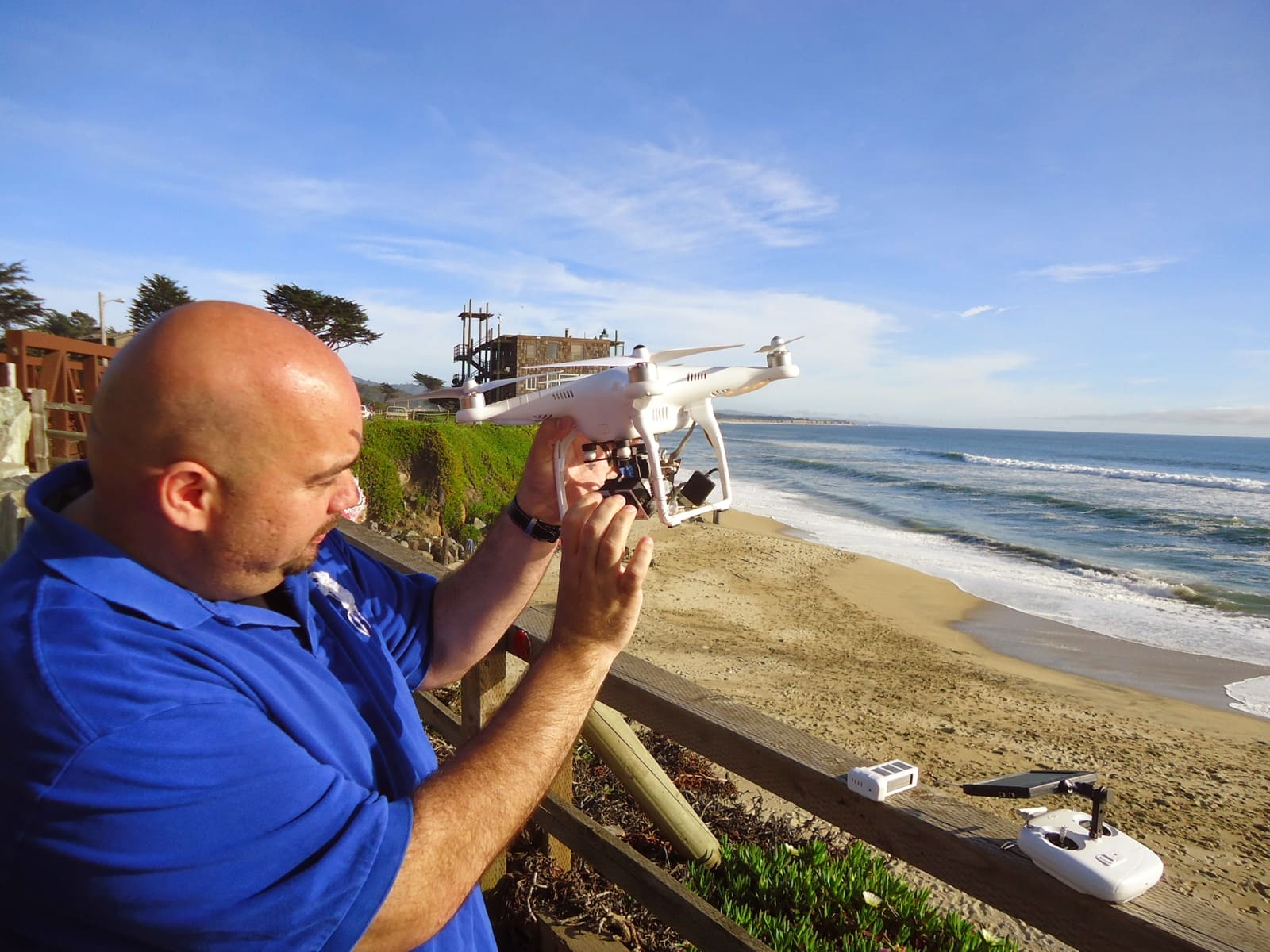
Commercial property insurance for a drone photography business should be reviewed separately from liability arising from drone operations. Your office computers, cameras, aircraft, rented sensors and other equipment can involve different policy terms. A business policy at your address does not establish that every item is insured at a client site, in transit or while used as part of an aircraft.
Start with an inventory showing what the business owns, where each item goes and how it is used. Then identify the policy intended to address each interest. The practical challenge is to avoid both missing property and assuming that several overlapping descriptions provide broader protection than the actual contracts offer.
This guide focuses on property and location questions. BWI’s drone insurance information and photography and videography insurance page provide the aviation and business context. Use it to organize a property review alongside the existing service information, with availability and terms confirmed for the actual business.
Start With the Property Rather Than the Policy Label
List the physical assets used by the business, including aircraft, attached payloads, ground cameras, lenses, controllers, computers, storage devices, office furniture and other significant items. Identify the owner and the role of each asset. A broad description such as photography equipment can hide materially different uses, values and custody arrangements.
Separate property from the information or service associated with it. A damaged laptop, lost files, an incorrect deliverable and a missed deadline are different concerns. A physical-property limit should not be treated as a general fund for every financial consequence involving the computer. Identify each requested interest before asking which actual coverage can address it.
Use the inventory to guide the conversation with BWI and any other relevant business insurance contact. The goal is a coherent map of the operation. Do not choose a convenient policy category first and force every asset into it without checking the actual wording, location conditions and aviation-related provisions.
Map Fixed Premises Mobile Gear and Aircraft Interests
| Property group | Describe for review | Question to ask |
|---|---|---|
| Office property | Computers, furnishings and other assets at the premises | Which items, values and location conditions are addressed? |
| Mobile cameras and lenses | Ownership, uses and travel between sites | What terms apply away from the listed premises? |
| Drone airframe | Aircraft identifiers, value and operating use | Which actual physical-damage terms address the aircraft? |
| Attached payload | Sensors, cameras and movement between aircraft | Is the value included once and the aviation use declared? |
| Ground equipment | Controllers, stations and other requested items | How are storage, transport and field use treated? |
| Rented or borrowed property | Owner, agreement and responsibility | Which interest and contractual obligation need review? |
| Information and income | Files, recovery costs and interruption concerns | Is any separate protection offered for the defined loss? |
The categories do not establish coverage. They help identify where the business needs a document-supported answer. A camera can move between ground photography and an airborne payload role, while a controller may remain on the ground throughout the mission. Explain the actual use rather than assuming that a retail equipment description determines the insurance treatment.
Keep aircraft property, business premises and third-party liability visible as separate interests. The existence of a drone liability policy does not establish replacement protection for the aircraft. Likewise, a commercial property quotation for an office does not prove that attached flight equipment or every off-site activity has been accepted.
Record which policy or offered option is intended to address each item. If an interest remains outside the available protection or requires further review, mark it clearly. A short inventory with accurate ownership and usage information is more useful than several uncoordinated totals that appear to cover everything but cannot be reconciled.
Describe the Premises and Who Controls the Property
Identify the office, studio, storage or home-based location where equipment is normally kept. Explain whether the business owns or leases the space and whether another party controls access or storage conditions. A mailing address should not be used as a substitute for the actual locations where expensive assets are held.
The California Department of Insurance’s commercial insurance guide provides a general business-property framework. Use it as a named state resource, not an aviation policy specimen or a nationwide rule. The actual offered policy needs review against the property and locations used by your business.
If the business operates from a home, explain the business activity and equipment to the appropriate insurance professionals. Do not assume a personal policy automatically addresses every commercial asset or use. Similarly, leasing a studio does not establish that the landlord’s building insurance protects the tenant’s equipment. Each party’s interest and actual terms need their own review.
Review Equipment Away From the Office
Describe the normal movement of cameras, computers and other gear between storage, vehicles, client sites and temporary locations. A policy reviewed for property at a fixed address may not answer every off-premises question. Ask how the proposed wording treats the actual locations and uses rather than assuming the office address represents the entire operation.
Identify travel, overnight storage, shipping and use by other people where relevant. Do not infer that a familiar phrase such as portable equipment means every situation is included. The actual contract may have definitions, limits or conditions that matter. Keep the important answers with the inventory so field staff understand which arrangement was reviewed.
Explain proposed changes before relying on the original description. A business that begins accepting assignments in another region, shipping equipment or leaving it at a client location may have a different exposure from the one initially submitted. Bring the new facts back for review and retain the accepted terms rather than assuming that unchanged ownership means unchanged insurance treatment.
Keep Drone and Payload Scheduling Accurate
List each aircraft and relevant payload with the requested identifying information, ownership and value. Explain whether cameras or sensors are included in an airframe total or scheduled separately. Counting the same sensor in several totals can make the application misleading, while omitting it because it sometimes attaches to an aircraft can conceal an important interest.
Ask how the actual physical-damage terms treat the declared equipment and aviation use. A property description in a different business policy should not be assumed to resolve every aircraft-related exclusion or condition. Keep the drone schedule and business-property inventory coordinated without treating them as interchangeable documents.
If equipment is replaced, modified or transferred between aircraft, follow the review process required by the actual terms. A new purchase receipt does not itself establish accepted insurance for the item. Identify the change and confirm what documentation or acceptance is needed before relying on the earlier schedule.
Disclose Rented Borrowed and Customer Supplied Equipment
Explain when the business rents a specialized camera, borrows a sensor or uses equipment provided by a customer or subcontractor. Identify the owner, intended use, value and agreement governing responsibility. Property does not become owned inventory simply because it is in your vehicle or appears in the same equipment case as your own assets.
Read the relevant agreement with appropriate advisers and provide its insurance requirements for review. A rental contract can assign responsibility that differs from your assumptions about a general equipment policy. The insurance contact should evaluate the actual interest and requested protection without treating the contract’s wording as automatic policy acceptance.
Keep separate evidence of the owner’s insurance where available, but do not assume it replaces your review. The owner may be protecting a different interest or may have conditions relevant to your use. Ask what the actual arrangements support and identify any unresolved responsibility before the equipment is used for an assignment.
Choose Values Using the Basis Requested for the Proposal
Keep an inventory with purchase records and the valuation information requested for the actual policy review. Purchase cost, current replacement expense, resale value and a rental contract’s stated value are not interchangeable merely because they refer to the same item. Ask what basis applies and retain its date and supporting information.
Review deductibles and any item or category limits beside the values. A large overall equipment amount does not establish that every individual asset is protected for its full replacement cost. Ask how the proposed terms address significant items and whether separate identification is needed. Do not assume that a total in an application is the accepted settlement basis.
Update the inventory as the business changes. New computers, cameras and sensors can make an earlier total incomplete, while disposing of equipment can leave an inaccurate schedule. Keep a record of changes and accepted insurance updates so the business can distinguish its owned property from the items and values actually submitted for coverage.
Ask About the Actual Cause of Loss and Conditions
When comparing property options, ask which causes of loss and conditions are relevant to the equipment and locations you described. A policy label alone does not explain the treatment of theft, accidental damage, water, electrical events or other concerns. Use the actual offered wording and ask for clarification of exclusions or limitations that matter to your operation.
Be factual about protection and handling practices requested in the application. State what is currently used rather than presenting a planned improvement as operational. If another party controls the premises or transport arrangement, explain that dependency. The submission should help underwriting understand the facts without suggesting that a particular security feature guarantees a price or claim result.
For an existing loss, use the designated claims process and provide the available information. A general cause-of-loss discussion cannot determine coverage for an actual event. Keep observations, technical findings and policy questions distinct so the reviewer can assess the specific property, circumstances and issued terms.
Separate Damaged Hardware Lost Files and Interrupted Work
A damaged computer can create several concerns: physical replacement, recovery of information, delayed delivery and lost income. Do not assume a payment toward the hardware reimburses every associated financial consequence. Explain the interest you want considered and ask whether specific additional protection is offered for that type of loss.
If business-income or extra-expense terms are proposed, review their actual trigger, period, expense categories and limitations. The California regulator’s business interruption information is a general state resource. It does not establish that the loss of a drone, a corrupted file or every missed photography assignment satisfies your policy’s conditions.
Keep cyber and professional-service concerns separate as well. Unauthorized access to client files and an allegation that a deliverable is incorrect can require different review from physical property damage. Ask the appropriate insurance professional to review those separate interests. The objective here is to make the property interest clear without implying that one replacement-cost figure resolves the entire business event.
A Hypothetical Photographer Adds a Studio and a Rented Sensor
Consider a hypothetical drone photographer who previously stored a small equipment kit at home and now leases a studio, adds editing computers and rents a sensor for occasional assignments. This example illustrates a property review, not a BWI customer case or a statement that any particular insurance structure will be available.
The photographer creates an inventory showing the owned studio assets, mobile cameras, drone and rented sensor separately. The submission explains each location and use, including when equipment leaves the studio. The lease and rental agreement are provided for review rather than summarized as ordinary business requirements. Planned purchases remain identified as planned.
When proposals arrive, the business checks the actual property, location, aviation-use and rental-interest treatment. Any unresolved item remains visible before the new arrangement begins. The lesson is that a new address and larger total are not the whole story: ownership, movement and use help determine which questions the actual policies must answer.
Prepare a Coordinated Property Insurance Review File
Gather the entity and premises information, equipment inventory, ownership records, requested values, locations and movement patterns. Include important lease and rental requirements and the current policies relevant to the business. Explain the activities in plain language so the review can connect each asset to the protection being requested.
Compare proposals using the same information. Review values, deductibles, locations, causes of loss, exclusions and any relevant conditions together. A cheaper quote may describe a smaller equipment interest or narrower set of locations. Keep material differences beside the price rather than treating all business-property quotations as equivalent.
After placement, preserve the accepted application and issued documents as a baseline. Revisit the file when the business changes locations, purchases equipment, rents property or expands its travel and field work. An accurate change record helps keep the insurance conversation connected to the operation rather than a schedule that no longer reflects the business.
Maintain photographs or other identification records for significant equipment where useful, without treating those records as proof of accepted coverage. Store the supporting information so it remains accessible if the device holding the main inventory is itself lost or damaged. Use the appropriate authorized channels for client or personal information rather than placing sensitive files into a general equipment list.
Assign responsibility for updating the inventory and contacting the insurance representative when something changes. A purchase made by a field crew may otherwise never reach the person managing the policy. A simple, dated change log helps the business explain what was acquired, where it is used and whether the relevant insurance review has actually been completed.
A practical inventory entry can connect an item’s identifier to its owner, normal storage address, field use, requested value and the document supporting the current insurance response. Suppose a hypothetical photographer removes a camera from a drone for a ground shoot, then stores it overnight with a client. Describe that sequence to the reviewer instead of assuming the original aircraft schedule settles every stage. Keep the client storage agreement with the relevant correspondence and mark any unanswered location or custody question. If the customer requests evidence, obtain it through the authorized insurance representative and check the named parties and dates against the arrangement actually submitted. When the camera returns, retain the history rather than deleting the temporary arrangement from the file. The same approach helps with a short rental: record the delivery and return dates and distinguish the rental company’s stated value from the valuation requested by the insurer. This suggested record supports an accurate inquiry; it does not create off-premises coverage, approve a storage practice or determine payment for a later loss.
Drone Photography Business Property Insurance Questions
Does drone liability insurance replace my equipment
Do not assume it does. Liability involving others and damage to the business’s own property are different interests. Identify the actual aircraft, payload and other equipment protection included in the proposal.
Does an office property policy cover gear at every job site
That depends on the actual terms. Describe the equipment’s movement, storage and field use and ask how off-premises locations and aviation-related uses are treated.
Should rented equipment be included as owned property
No. Explain the actual ownership, agreement, value and intended use. Ask how your interest and responsibility should be submitted rather than using a convenient owned-equipment total.
Does the equipment value guarantee replacement cost
The declared amount alone does not establish the settlement basis. Review the actual valuation wording, limits, deductibles and relevant conditions for the property being considered.
Is lost income automatically included with computer coverage
No automatic assumption should be made. Physical replacement, data recovery, extra expense and interrupted work can require different terms and triggers. Ask about the defined interest separately.
Can BWI guarantee a standard package for every photography business
This guide makes no such promise. Confirm available options for the actual operation, equipment and locations, and review the offered documents before relying on protection.
Review Your Drone Photography Property With BWI
Bring BWI your equipment inventory, ownership information, values, locations and relevant agreements. Explain which assets fly, which travel with the crew and which remain at the office. A clear description helps separate the aviation and wider business-property questions that need review.
Request a business insurance review from BWI. Confirm available options for the actual operation and compare the offered protection with the interests you want addressed. Eligibility, pricing and coverage depend on underwriting and the issued policy; an inquiry does not bind protection for every asset or financial consequence.
Continue Reading


