
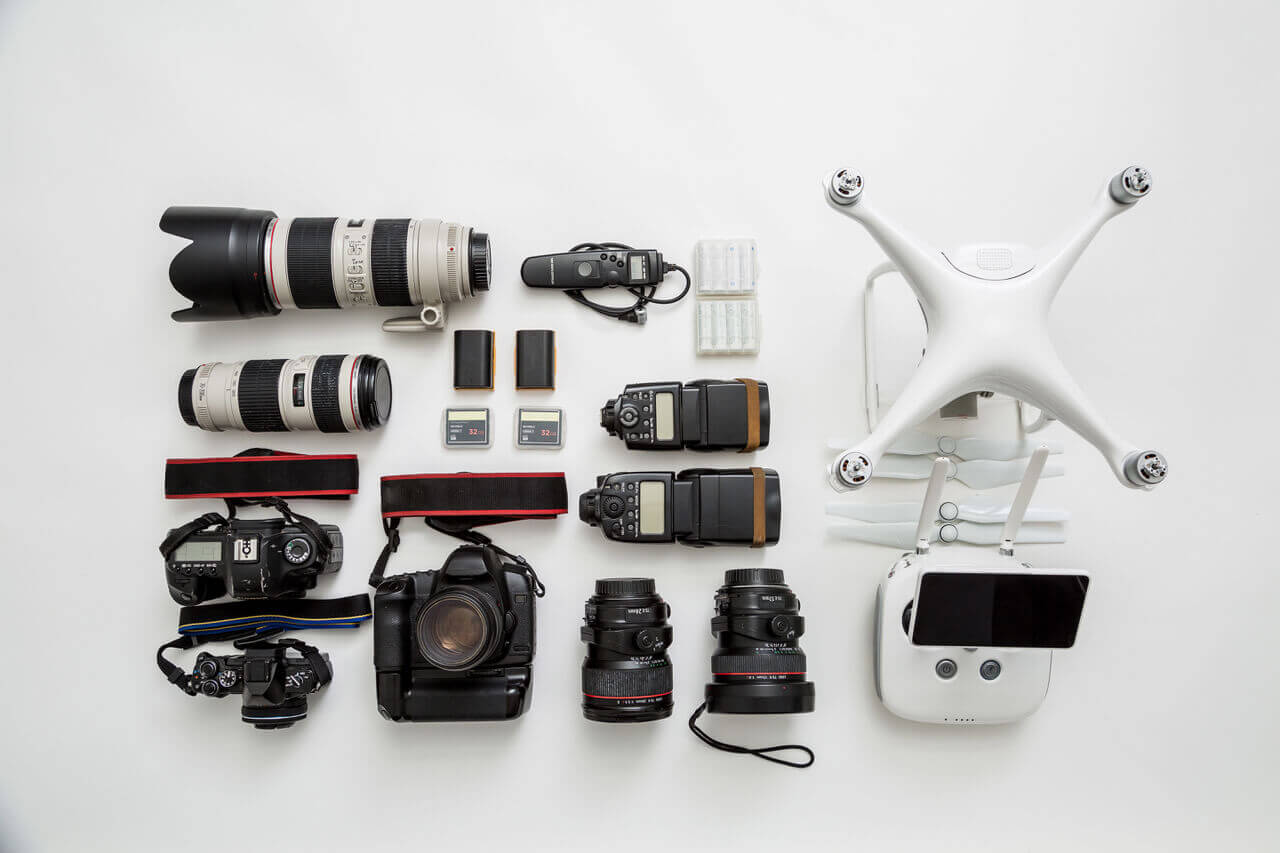
A drone sales demonstration needs insurance that accepts the demonstration activity, the people operating the controls and the equipment ownership at that moment. A seller's usual policy does not automatically protect every prospective buyer, and the buyer's future policy does not necessarily apply before the purchase. Resolve the demonstration separately from the eventual transfer.
The most useful question is who is responsible at each stage. The seller may transport and set up the drone, a representative may conduct the first flight and the buyer may ask to try it. The aircraft can remain the seller's property throughout while the operating responsibility changes.
At BWI, we help operators and businesses present sales and demonstration activities when requesting drone insurance options. Send the equipment details, ownership, proposed pilots and demonstration plan before the appointment. Get your drone demonstration insurance quote with BWI and identify any buyer participation.
Define the Demonstration Before Inviting the Buyer
State whether the seller will operate while the buyer observes, whether a buyer will handle controls under supervision or whether the buyer will take the equipment away for evaluation. Those arrangements involve different custody and operating facts. Do not describe all of them simply as a demo flight.
Identify the aircraft, payload, support equipment and supported values. If the demonstration includes borrowed sensors or accessories not included in the eventual sale, keep their ownership visible. A buyer may reasonably assume that everything shown is part of the purchase unless the seller makes the equipment list clear.
The demonstration purpose also matters. Showing ordinary capabilities differs from a new configuration test, prototype evaluation or customer specific mission. Describe what will actually be performed and disclose modifications. A sales setting should not be used to hide experimental work within an ordinary flight description.
Our sales and demo drone insurance information identifies the coverage category. The specific plan still needs review because the participants, location, equipment and timing determine the questions the insurer must evaluate.
Map Ownership, Custody and Control Separately
Ownership identifies whose property is at stake. Custody identifies who possesses and looks after it. Control identifies who directs or operates the aircraft. These roles can change at different times, so the insurance review should not assume they all follow the purchase date.
A buyer can handle equipment before owning it, and a seller can retain equipment after a sale. A courier, dealer or demonstration representative can add another custody stage. Record the actual arrangement and compare it with the policy definitions and any purchase or evaluation agreement.
The following timeline is a planning example. It does not state when legal title or risk of loss transfers in every sale. Those questions depend on the agreement and applicable law and should be reviewed by appropriate counsel.
| Stage | Facts to identify | Insurance decision |
|---|---|---|
| Transport to demonstration | Equipment owner, carrier or employee custody and destination | Property protection during transit and temporary storage |
| Seller operated flight | Aircraft configuration, pilot and accepted demonstration use | Pilot conditions, liability and equipment coverage |
| Buyer handles controls | Buyer qualifications, supervision and responsibility | Whether this person and activity fit accepted terms |
| Evaluation away from seller | Custody, duration, location and permitted use | Loan or nonowned treatment and damage responsibility |
| Sale and delivery | Agreed transfer timing, new owner and first operation | Confirmed end and start of relevant arrangements |
Buyer Permission Is Not the Same as Pilot Acceptance
The seller's permission to try a drone does not establish that the buyer meets the policy's operating conditions. Supply the proposed pilot's relevant qualifications and experience if required. Review any approval or condition before the buyer operates, rather than assuming a short flight creates an exception.
Insured status is a separate question. A person accepted to operate may not receive every protection available to the named insured. Identify how the policy treats the buyer and any representative, including possible liability allegations and responsibility for damage to the drone.
The Global UAS specimen provides a primary example of why operating conditions and insured definitions need to be read together. It is not a universal instruction to name every buyer or a promise that supervised demonstrations are covered. Use the actual accepted wording for the arrangement.
If required acceptance is not complete, keep the plan within what has actually been agreed or change the appointment. A sales opportunity should not cause the business to represent an unresolved pilot question as confirmed insurance. Record who is authorized to make changes at the demonstration site.
Aircraft Damage and Liability to Others Need Different Answers
A demonstration can damage the drone itself or create a claim involving someone else. These are separate insurance questions. A liability certificate does not establish protection for the seller's aircraft, and an equipment schedule does not by itself establish protection against every claim by a spectator or property owner.
Identify the seller's equipment interest, supported values and deductible arrangements. A purchase deposit or agreed sale price does not automatically determine the insured value or amount payable under a physical damage policy. Review the actual valuation wording and any applicable exclusions.
If the buyer agrees to reimburse damage, compare that obligation with the insurance rather than assuming it will be funded. A private agreement can allocate responsibility without expanding the insurer's promise. Legal counsel can address the agreement's meaning and enforceability.
For loaned or evaluation equipment, describe duration, permitted use and location. Do not assume the buyer's existing nonowned protection accepts every aircraft or custody arrangement. The owner and prospective user should each obtain an explanation of their actual protection before the equipment leaves the seller's control.
Choose a Site That Matches the Actual Plan
The demonstration location affects the operating and liability picture. Identify people nearby, property, access controls and any relevant venue requirements. A quiet private appointment differs from a crowded sales event. Describe the real setting rather than using a generic commercial flight entry.
Clarify who obtains the site owner's permission and who controls the work area. If the plan depends on restricting access, identify the person responsible. The seller may be able to conduct a flight while lacking authority to change venue operations or move people away.
The FAA's commercial operator guidance provides the small drone starting point. Aviation permission and insurance acceptance remain separate. A buyer invitation or venue permit does not establish that every proposed flight complies with applicable requirements, while an aviation authorization does not amend the insurance.
Keep fallback options clear. If conditions do not support the planned demonstration, a ground explanation, different location or rescheduled visit may be appropriate. Do not promise that insurance will reimburse every lost sale or canceled appointment. The operational decision should remain independent from assumed financial recovery.
A Hypothetical Request to Take the Drone Home
Imagine a hypothetical seller arranging a supervised demonstration at an agreed site. The seller operates first and the buyer observes. At the end, the buyer asks to take the aircraft and payload away for a weekend evaluation before deciding whether to purchase.
That request changes custody, duration, storage and possibly the operator. The original demonstration review should not be treated as acceptance of the loan. The parties need to identify the aircraft and accessories, permitted use, pilot, return date, damage responsibility and relevant insurance before agreeing.
A useful written evaluation record distinguishes condition at handoff from statements about performance. Record the equipment supplied and any known limitations. Keep the agreement and insurance explanation with the inventory so both parties understand the proposed arrangement.
The example does not say an evaluation loan is always covered or always excluded. It shows why a sales conversation can become a different exposure in a few minutes. If the additional arrangement cannot be resolved, keeping the equipment with the seller avoids relying on an unreviewed assumption.
Do Not Confuse a Demonstration With Product Performance Protection
A buyer may rely on a demonstration when choosing equipment, but insurance for the flight is not a warranty that the product will meet every later use. Keep statements about capability, condition and intended application accurate and supported. The demonstration should not imply a guarantee beyond the actual agreement.
Manufacturers, dealers and service businesses can have product or professional responsibilities distinct from the operating exposure. If your company modifies, repairs, assembles or recommends a system, describe those activities when requesting insurance. A sales demonstration policy discussion should not conceal a broader product business.
Likewise, an unsuccessful demonstration or lost sale is not automatically an insured event. Equipment damage, third party liability and a commercial dispute about promised performance can involve different terms. Identify the actual concern rather than assuming a liability limit pays every loss associated with promotion.
Review purchase warranties, disclaimers and remedies with qualified legal advisers. The insurance review then compares the company's real activities and obligations with the proposed coverage. A certificate cannot certify product quality or remove contractual responsibility.
Coordinate the Sale and the First Buyer Flight
When the sale proceeds, agree the transfer and delivery sequence. Identify when the buyer takes responsibility under the agreement, who transports the equipment and who operates first. The appropriate insurance must be confirmed for those facts and times rather than assumed from the demonstration date.
A quote for the buyer is not itself bound protection. Likewise, the seller should not remove equipment from its arrangement simply because the parties are discussing purchase. Confirm the accepted transition and any continuing seller custody or delivery role before changing coverage.
If the transaction changes, revisit the timeline. A delayed payment, different buyer entity or added payload can change the description. Keep the final equipment list and effective dates with the transfer record. Do not reuse evidence issued for a different owner or anticipated closing date without review.
Both parties benefit from a clean handoff file: equipment identifiers, condition record, signed agreement, insurance contacts and confirmed responsibility. These documents help explain what changed; they do not override the actual policy or guarantee a later claim.
A Demonstration Insurance Checklist
Complete the following review before handing over controls or equipment. Reopen it if the buyer requests a different mission, location or evaluation period.
- Identify owner, aircraft, payload, accessories, supported values and any borrowed equipment.
- Describe seller operation, buyer participation, supervision and each proposed pilot.
- Confirm applicable pilot acceptance, insured status and demonstration use.
- Review site permission, people nearby, access control and relevant aviation requirements.
- Record damage responsibility and any separate evaluation loan agreement.
- Confirm purchase delivery timing and the accepted insurance transition before the buyer operates.
Questions About Drone Sales Demonstration Insurance
Can the Buyer Fly Under the Seller’s Policy?
Only the actual policy and accepted arrangement can answer that question. Review the proposed pilot, operation and insured status before the flight. Seller permission and supervision do not automatically satisfy every condition. If approval is required, obtain it before the buyer operates rather than relying on a later amendment.
Does a Deposit Transfer the Insurance Responsibility?
Do not infer that from payment alone. The sale agreement determines relevant contractual timing, while each policy has its own coverage terms. Identify ownership custody and risk allocation with appropriate legal advice, then confirm the insurance transition. A deposit receipt is not a substitute for that review.
Is a Weekend Trial the Same as a Demonstration?
It can involve a different arrangement because the buyer takes custody, chooses locations and may operate without the seller present. Describe duration, storage, permitted use and equipment responsibility. Obtain an actual insurance explanation for the loan rather than applying an earlier supervised demonstration discussion automatically.
Will the Buyer’s Policy Cover Damage Before Purchase?
Do not assume a future owner policy applies before its accepted effective time or to property not yet eligible under its wording. If nonowned or evaluation protection is intended, review that specifically. The buyer and seller should each understand the relevant arrangement before the aircraft changes custody.
Does Insurance Guarantee the Equipment Will Perform as Demonstrated?
No. Insurance for the operation does not certify product condition or suitability for every later use. Purchase warranties and remedies require their own review. If your business manufactures modifies repairs or recommends systems, disclose those activities so product and professional responsibility questions are considered separately from the demonstration flight.
Get a Drone Demonstration Insurance Quote From BWI
At BWI, we can help you present the demonstration, participants and equipment ownership when requesting drone insurance options. Send the aircraft and payload details, supported values, proposed pilots, location and any evaluation loan or delivery plan. Explain buyer control before the appointment.
Review our drone insurance information, then get your drone demonstration insurance quote from BWI or call 866 788 6291. Keep the demonstration and purchase transition distinct in the request. Coverage depends on the accepted terms, issued policy and endorsements; a request does not bind protection.
Continue Reading

