
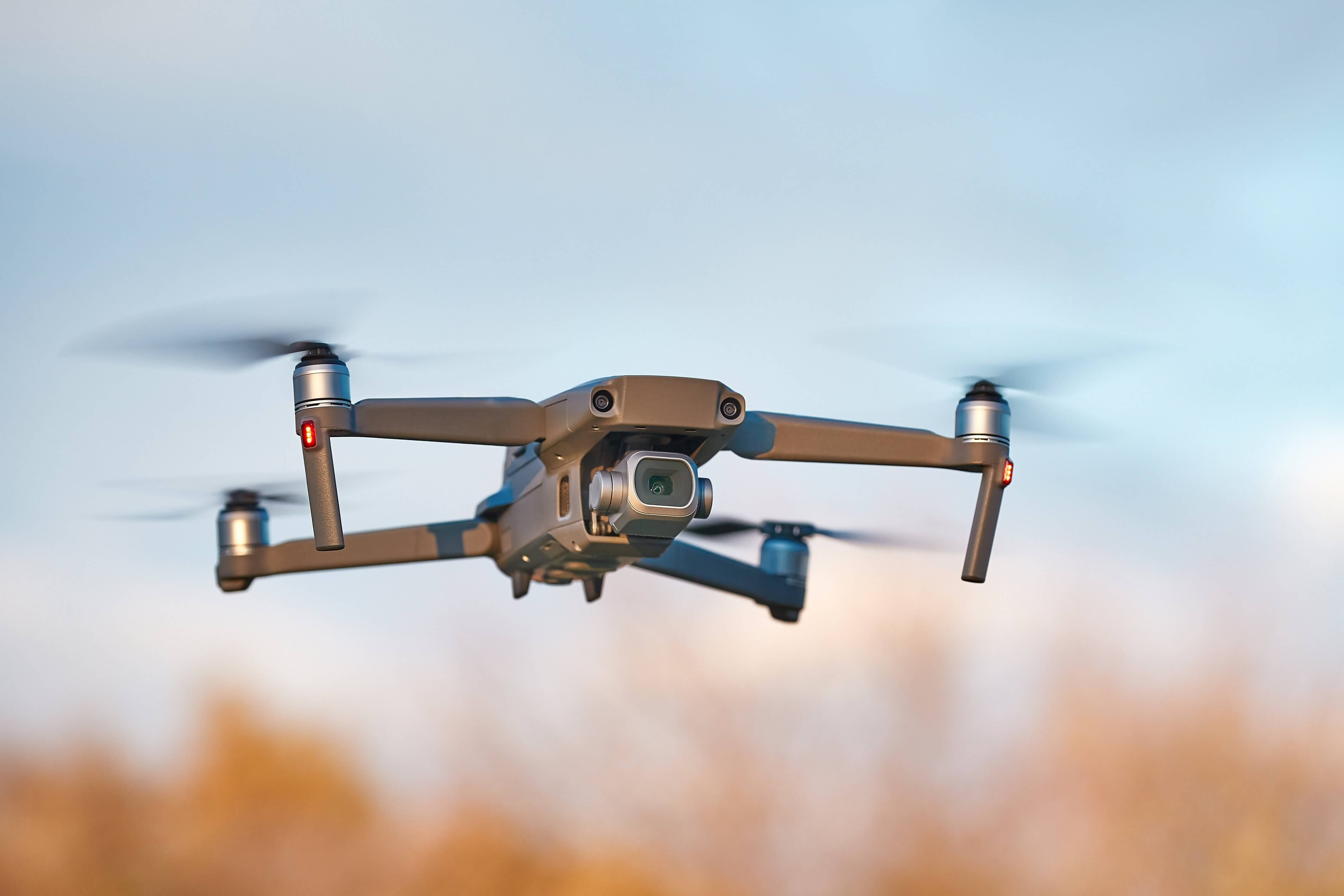
Drone stock footage insurance should consider both the flight and the later licensing or publication of the images. Aviation liability does not automatically answer every privacy, content or licensing allegation. Before placing footage in a library, identify the rights you can grant, how it may be used and which policy addresses the publishing activity and any later claim.
The central issue is time. A flight may last minutes while the resulting clip is licensed repeatedly for years. A complaint can concern the original capture, a later edit or a buyer's use. Those are different facts that need to be described rather than treated as one insured flight.
At BWI, we help drone operators explain their business activities when requesting insurance options. Tell us whether you sell one client a finished video or maintain a reusable stock library. Get your drone footage insurance quote with BWI and raise privacy and media liability questions alongside the aviation exposure.
Separate Capturing a Clip From Licensing Its Use
The flight operation concerns where and how the aircraft is operated and what it records. Licensing concerns the permission granted to another party to use the resulting material. Publication concerns the context in which the footage appears. Your company may control all three stages or only some of them.
A stock library can separate those stages by months or years. A buyer might use a cityscape in a travel video, corporate advertisement or sensitive editorial story. The same underlying image can have different implications depending on its use. Do not promise unrestricted suitability for every context without appropriate rights review.
Identify whether your business licenses footage directly, uses a stock platform or supplies a distributor. Read the agreement governing contributor warranties, permitted uses and responsibility for complaints. A platform accepting a file does not necessarily verify every right or provide insurance for your company.
These are legal and contractual issues as well as insurance questions. Qualified counsel should address privacy, publicity, copyright and licensing requirements under the relevant law. An FAA authorization or insurance certificate does not establish permission to record or publish every subject shown in a clip.
Privacy Protection Must Be Identified in the Actual Policy
A liability limit does not explain which kind of injury or allegation the contract addresses. Locate any applicable personal injury, privacy, media or related coverage, then read its definitions and exclusions. Do not assume the words drone liability necessarily include every complaint about images.
AirModo's coverage FAQ identifies invasion of privacy as a subject addressed by its personal injury liability offering. That is a primary example from one program, not a statement that every policy includes that protection or that it extends to all later stock licensing. The actual wording and business activities still require review.
Also examine whether a media liability or other business policy treats aircraft related capture and later publication as accepted activities. Policies can have different grants, exclusions and triggers. The purpose is to coordinate the actual contracts without assuming one policy fills every gap left by another.
Provide the insurer with an honest business description. A company operating a stock library has a different continuing activity from a pilot hired only to capture a client's specified scene. An application limited to aerial photography can omit the licensing and publication responsibilities the business actually accepts.
Use a Three Stage Rights and Insurance File
Organize records so a clip can be traced from capture to each authorized use. This does not establish that a claim will be covered, but it helps identify what your company actually did and promised. Keep the records accessible even if the employee who captured the footage leaves.
The following comparison separates the questions. A document resolving one stage should not be treated as permission or protection for every later stage.
| Stage | Record to retain | Insurance or rights question |
|---|---|---|
| Capture | Flight date, location, original file, permissions and relevant releases | Was the operation accepted, and what rights were obtained? |
| Library entry | Clip identifier, edits, description, restrictions and contributor agreement | Does the declared business include stock licensing? |
| License | Buyer, date, permitted use, territory and duration | What warranties, indemnity and responsibility were accepted? |
| Publication or complaint | Known use, communications and exact allegation | Which coverage trigger, notice duties and exclusions apply? |
Describe the Image Honestly in the Stock Library
Accurate labeling helps buyers understand what the footage shows. Retain the capture date and location, identify significant edits and avoid descriptions that imply a release or permission you do not possess. A compelling clip description should not become an unsupported legal warranty.
If the footage contains identifiable people, private settings, distinctive property, artwork or branding, have the appropriate rights review for the intended licensing model. There is no single universal rule in this article requiring or dispensing with releases for every situation. The relevant law, context and intended use matter.
Use restrictions can be important where certain contexts have not been cleared. Make sure the restrictions in the library entry match the license actually issued. A private note on your computer does little if a buyer receives a contract promising unrestricted commercial use.
Keep edited versions connected to the original. Cropping, annotations and other changes can alter the context of an image. If a buyer later modifies a clip, distinguish your supplied version from the buyer's final publication before responding to a complaint. That factual distinction does not automatically determine liability, but it is essential to an accurate review.
A Hypothetical Clip Licensed Long After the Flight
Imagine a hypothetical operator capturing a waterfront scene and later placing a short edited clip in a stock library. The clip is licensed to a commercial buyer the following year. A person visible in the published version complains that the use invades privacy or implies an association they did not authorize.
The company needs more than the flight log. It should preserve the original footage, library description, any relevant permission records, license terms and communications with the buyer. The allegation may relate to capture, licensing warranties, the buyer's editing or the final context. Do not decide which party is responsible without examining those facts.
The insurance review also needs dates. Identify when the flight occurred, when the license was granted and when the complaint was received. The relevant policy trigger may depend on more than the original operating date. If the business changed insurers or stopped flying, retrieve the historical documents rather than relying only on the current declarations page.
The example does not predict coverage or establish a privacy violation. Its lesson is that a reusable clip creates a continuing business record. Treating the transaction as finished when the aircraft lands leaves later rights and insurance questions difficult to resolve.
Review Platform Warranties and Buyer Indemnity
A contributor agreement may require your company to warrant ownership, clear specified rights or reimburse the platform for certain claims. A direct buyer may request a broad indemnity or guarantee suitability for a particular use. Read those provisions before accepting them, including any obligation to defend another party.
The contract can create responsibilities that differ from liability the insurance covers. A policy limit is not a promise to pay every warranty or contractual reimbursement obligation below that amount. Compare the agreement with the actual coverage and obtain qualified legal advice on interpretation and enforceability.
Clarify what happens when a buyer requests a use outside the original license. A later expansion can change the rights review and the responsibility accepted by your company. Keep amendments and additional payments tied to the same clip identifier so the current authorization is clear.
For a broader business description, see our drone insurance information. When requesting options, include stock distribution and licensing rather than describing only the equipment and number of flights. The continuing publishing role is part of the risk picture.
Keep Coverage Continuity on the Licensing Calendar
Review the applicable triggers, dates and reporting conditions of any privacy or media protection. Different contracts can treat allegations and prior activity differently. If a retroactive date, prior acts provision or reporting extension is relevant, have its application explained for the library and licensing history.
Do not assume that ending flight operations ends every exposure from footage already licensed. Likewise, do not assume that renewing a policy automatically preserves every earlier activity. Provide the history and known complaints accurately when changing coverage, selling a library or closing the business.
The Global UAS specimen illustrates the need to read policy conditions with coverage sections. It is not confirmation of media liability for stock footage. Use the issued forms for the applicable reporting and cooperation requirements.
Keep historical policies and endorsements with the library's business records. If an allegation arrives after a long interval, the company should be able to identify the relevant capture and licensing dates without relying on a former employee's memory or an expired platform account.
Respond to a Privacy Complaint With a Preserved Record
Save the complaint as received and notify the appropriate insurer under the applicable instructions. Preserve the clip, publication details, license and communications. A request to remove footage, demand for compensation or threatened legal action should be evaluated under the actual wording rather than dismissed because no lawsuit has been filed.
Avoid admitting liability or promising compensation without appropriate claim guidance. At the same time, do not claim that aerial capture is always lawful or that the complainant has no rights. State what is known and obtain qualified advice about any removal, preservation or communication obligations.
If the platform or buyer removes a file, retain a record of the relevant version and use where lawful and appropriate. Do not destroy evidence while attempting to stop further distribution. Coordinate changes and communications so the company can explain what action it took and why.
Data access can be another issue. Limit access to sensitive original footage and follow the business's appropriate storage and security procedures. Privacy liability, a security incident and a licensing dispute are related operationally but can involve different coverage questions. Describe the actual allegation before assuming which policy applies.
A Stock Footage Insurance Review Checklist
Use this checklist when launching a library, changing distribution platforms or expanding the uses you permit. It helps connect the ongoing licensing business with the proposed coverage.
- Describe capture, licensing, distribution and any editing services in the insurance request.
- Retain clip identifiers, dates, locations, originals, permissions and relevant releases.
- Match library descriptions and restrictions with the license actually supplied.
- Review contributor warranties, buyer indemnity and responsibility for later use.
- Identify privacy, media and other relevant policy wording, triggers and reporting instructions.
- Keep historical policies and establish a process for complaints and requests for expanded rights.
Questions About Drone Stock Footage Insurance
Does FAA Permission Clear Privacy Rights?
No insurance or rights conclusion follows from an aviation authorization. It addresses the relevant operating permission, not every right involved in recording and publication. Privacy, publicity, intellectual property and property permission questions require their own assessment under applicable law and the intended use. Obtain qualified legal guidance where those rights are uncertain.
Does a Stock Platform Provide Insurance for Contributors?
Do not assume that it does. Read the contributor agreement and any specific protection offered, including who is insured and the conditions. Platform acceptance and a right to sell footage are different from insurance coverage. Your business should describe its distribution activity when arranging its own protection.
Can a Claim Arrive After the Drone Policy Ends?
An allegation can arrive later, but the insurance response depends on the actual policy trigger, dates and conditions. Review continuity for footage already captured and licensed before canceling or changing protection. Keep historical forms available so the relevant contract can be identified when a complaint is received.
Does Personal Injury Coverage Mean Every Media Claim Is Covered?
No. The defined offenses, accepted business activities, exclusions and conditions determine the scope. A privacy provision does not necessarily insure copyright, licensing warranties or every later use. Review the actual allegation and wording rather than treating a coverage heading as a blanket promise for the library.
What if the Buyer Uses the Clip Outside the License?
Preserve the supplied license and evidence of the known use, then obtain appropriate legal and claim guidance. The buyer's deviation does not automatically settle every allegation against your company. Avoid making unsupported promises about coverage or responsibility. A traceable license record helps distinguish what you authorized from what later occurred.
Get a Drone Footage Insurance Quote From BWI
At BWI, we can help you describe your drone operation and ongoing footage business when requesting insurance options. Send the aircraft details, capture activities, distribution model, typical license and any privacy or media requirements. Explain whether the library includes older footage and disclose known complaints accurately.
Explore our drone insurance information, then get your drone footage insurance quote from BWI or call 866 788 6291. Review licensing changes before accepting broader promises. Coverage is subject to the accepted terms, issued policy and endorsements; a request does not bind protection.
Continue Reading

