
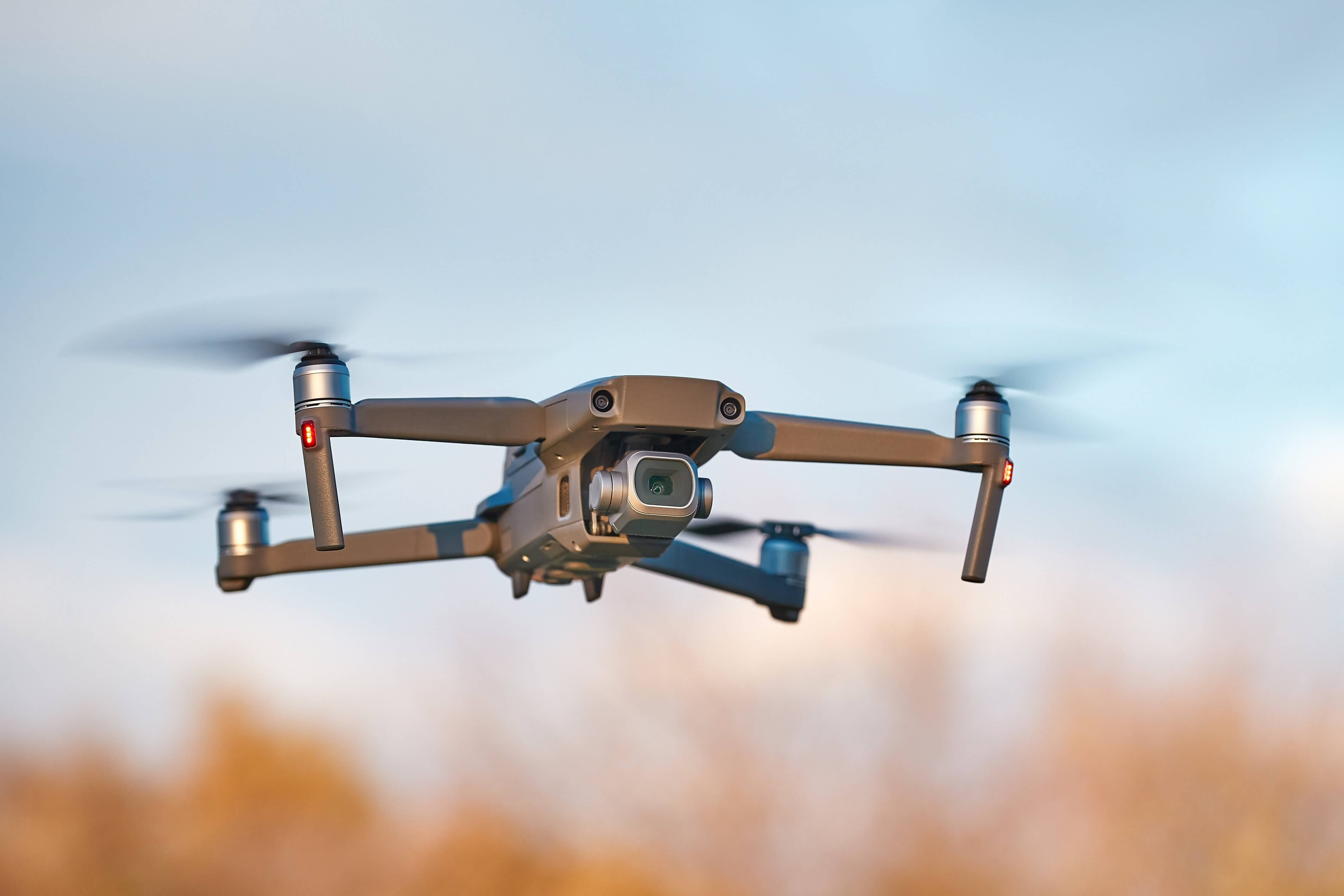
If your pilot will fly a client owned drone, review the arrangement before taking custody or operating. Identify the aircraft owner, the business providing the pilot and the party responsible for the work. Ownership, pilot permission and insurance protection are separate questions.
This is different from arriving with your own aircraft to deliver a complete drone service. The client may supply a drone and expensive payload while expecting your business to insure the operation or accept responsibility for damage. A verbal statement that the equipment is already covered does not explain your position.
At BWI, we can help present the client owned aircraft arrangement for review. Request an aircraft insurance quote from BWI with the service agreement, equipment details and proposed pilot. Explain who transports and stores the system as well as who flies it.
Start With Ownership and Contracting Roles
Identify the actual equipment owner. It may be the client, a related company or a rental business supplying the client. Ask for the correct legal name and clarify any difference from the entity signing your service agreement.
State who employs or engages the pilot. A business supplying pilot services should describe that role accurately rather than presenting the aircraft as its own fleet item. If the pilot is an independent subcontractor, include the additional relationship in the review.
Explain who controls the mission and approves changes. The client may select the site and deliverable while the pilot retains operational responsibilities. Use the actual arrangement and obtain appropriate advice on contractual or regulatory responsibilities rather than deciding them from equipment ownership alone.
BWI's drone insurance page is the broader starting point. For client equipment, the useful submission shows the full chain from owner to pilot and the interests each party wants addressed.
Build an Aircraft and Interest Record
Before accepting the system, create a record that separates the aircraft from the parties and obligations. The table is a review tool, not a statement that any policy automatically covers the listed item.
| Item | What to identify | Question to resolve |
|---|---|---|
| Aircraft | Owner model serial number and configuration | What arrangement addresses its use by your pilot |
| Payload | Owner identifiers and value information | Is it considered with the aircraft or separately |
| Pilot provider | Your business and actual pilot relationship | What protection is requested for each interest |
| Custody | Pickup transport storage and return | When your responsibility starts and ends |
| Agreement | Damage obligations and insurance requirements | What promises need insurance and legal review |
| Client insurance | Relevant policy evidence and terms | What it actually addresses for your operation |
| Your insurance | Relevant nonowned and other terms | How your business and pilot are addressed |
Review Liability and Equipment Damage Separately
Ask about liability arising from the operation and the physical damage interest in the drone and payload. A response about injury to others does not necessarily answer who pays for a damaged client aircraft. The review should keep both questions visible.
Describe the property and the responsibility you are being asked to accept. If the contract requires reimbursement for any damage, loss of use or replacement costs, send that language for review. Do not assume a liability limit is the same as an equipment damage amount.
An insurer may have a particular way to address nonowned aircraft or property. Ask how the actual wording applies to this arrangement. Avoid using the word nonowned as if it guaranteed the same protection in every product.
If the client wants your business to insure its property directly, explain the request before accepting it. The available arrangement, valuation and insured interests require review rather than a casual promise to cover the drone.
Ask What the Client’s Policy Actually Provides
Request relevant insurance information through the client and have the proposed operation reviewed by its insurer where appropriate. Explain that an outside business and its pilot will operate the aircraft. A policy originally arranged for client employees may not have been reviewed for this plan.
Ask about your business's position and the pilot's position separately from the owner's property interest. Do not assume the client's policy protects every contractor because the aircraft is listed or the client gives permission.
If the client requests a waiver, additional insured status or another term under your policy, submit the exact request. Its own insurance information does not replace the review of what it asks you to provide.
Keep the response specific. A general email saying all drones are insured may leave the owner, pilot, use and custody questions unanswered. Obtain clarification rather than turning a broad assurance into a claim about the actual policy.
Review Your Business Insurance for the Nonowned Arrangement
Tell your insurer that the aircraft belongs to the client and describe the pilot service. Include whether this is occasional work or an ongoing part of your business. The policy should be reviewed against the operation you intend to provide.
If you already insure owned drones, ask how the client supplied system is addressed. Do not assume a policy written around your equipment automatically extends to any drone you can operate. Conversely, do not assume another policy is always required without reviewing the actual terms.
Supply requested aircraft, payload and value information. If the insurer needs an equipment schedule or other document, complete it accurately before relying on the arrangement. Keep the accepted response with the project records.
Consider related exposures in the contract, such as the service or deliverable you promise. A review of the flight and equipment is not automatically an answer about every professional or contractual obligation.
Treat Pickup and Transport as Part of the Plan
The client may hand over the equipment several days before the flight. Identify who collects it, where it will be stored and how it will reach the site. Do not describe the arrangement only as one hour of flying if your business has custody for a week.
List the components actually supplied, including controllers, batteries, chargers and detachable payloads. Record identifiers and condition where practical. Have the client identify missing items and existing damage before the handoff is treated as complete.
Ask how the relevant insurance addresses the described transport and storage. An accepted flight arrangement should not be assumed to explain property left in a vehicle, shipped to another office or stored at a pilot's home without further review.
Use appropriate technical and safety procedures for handling equipment. The insurance discussion should document the plan, not provide charging, transport or maintenance instructions in place of the manufacturer's guidance and qualified operational judgment.
Confirm the Pilot and Actual Configuration
The pilot should be prepared for the particular aircraft, payload and mission. Use appropriate training and operational processes to establish suitability. For insurance, provide the qualifications and experience requested for the actual system.
If the client substitutes a different aircraft or payload, update the review. Similar branding does not establish identical equipment, value or accepted terms. Ask for the identifiers of the unit that will actually be used.
If the pilot changes, submit the replacement information before operation where required by the arrangement. Do not assume a business level acceptance automatically resolves every individual pilot condition.
Keep regulatory compliance separate. The FAA's commercial drone operator resource is an official starting point for the intended operation. Insurance acceptance does not supply an operational authorization or determine whether the client equipment is ready to fly.
A Client Adds a High Value Payload
Consider a drone service business hired to provide a pilot for a client owned aircraft. The initial discussion concerns a standard camera configuration, and the operator supplies that information for insurance review.
Before pickup, the client adds a different detachable sensor and asks the pilot to keep the system overnight after the job. Both the equipment description and custody period have changed. The operator should obtain the revised details and review them before accepting the handoff.
The updated record identifies the sensor owner, relevant value information, storage and return plan. Any contractual responsibility is considered against the actual terms available. The operator does not assume the original aircraft description included every later payload.
The example does not establish that a separate endorsement or premium is always required. It shows how a practical change can create questions that the first submission did not answer.
Document Return Without Signing Away an Unreviewed Issue
At return, compare the equipment with the handoff inventory and record relevant condition observations through the agreed process. Keep the acknowledgment and any discrepancy report. Avoid relying only on a final invoice as evidence that custody ended without issue.
If damage or a possible claim is identified, notify the relevant insurer promptly and follow its instructions. Preserve the equipment and available records as appropriate. Do not promise a replacement or release another party before the situation is reviewed.
Retain the agreement, accepted insurance documents, actual equipment list and custody dates together. If the client later asks about a particular sensor or operation, the file should show what was actually supplied and performed.
For recurring work, update the arrangement when equipment, pilots or responsibilities change. A successful first project should become a useful process reference, not automatic approval of every future client system.
Frequently Asked Questions About Client Owned Drones
Does the Client’s Policy Automatically Protect My Pilot?
Do not assume that. Have the outside pilot service and relevant insured interests reviewed. Owner permission and a listed aircraft do not provide a complete explanation of the pilot's or your business's protection.
Does My Owned Drone Policy Include Client Equipment?
Ask how the actual wording addresses the proposed nonowned arrangement. Supply the aircraft, payload, use and custody facts. Avoid assuming either automatic inclusion or a universal need for a separate policy.
Who Insures Damage to the Client’s Drone?
Review the owner's property arrangement and your contractual responsibilities separately. Ask what available insurance addresses each interest. Do not infer the answer from a general liability limit or a verbal statement that the aircraft is covered.
Should I List the Detachable Payload Separately?
Describe it accurately with ownership, identifiers and requested value information. Ask how the insurer wants it recorded and avoid counting the same property twice. The actual configuration matters more than a generic aircraft model name.
Does the Review Need to Include Transport?
Yes, describe pickup, transport, storage and return as part of the actual custody plan. Ask how the offered arrangement applies rather than assuming a flight review addresses every period away from the client.
Get a Quote From BWI for Flying a Client Owned Drone
We can help present the equipment owner, pilot service and custody arrangement for a specific insurance review. Send the agreement and actual aircraft and payload details before accepting responsibility for the system.
Get an aircraft insurance quote from BWI or call 866 788 6291 and tell us your pilot will operate a client owned drone. Include the pickup and return plan so the discussion follows the whole assignment.
Continue Reading

