

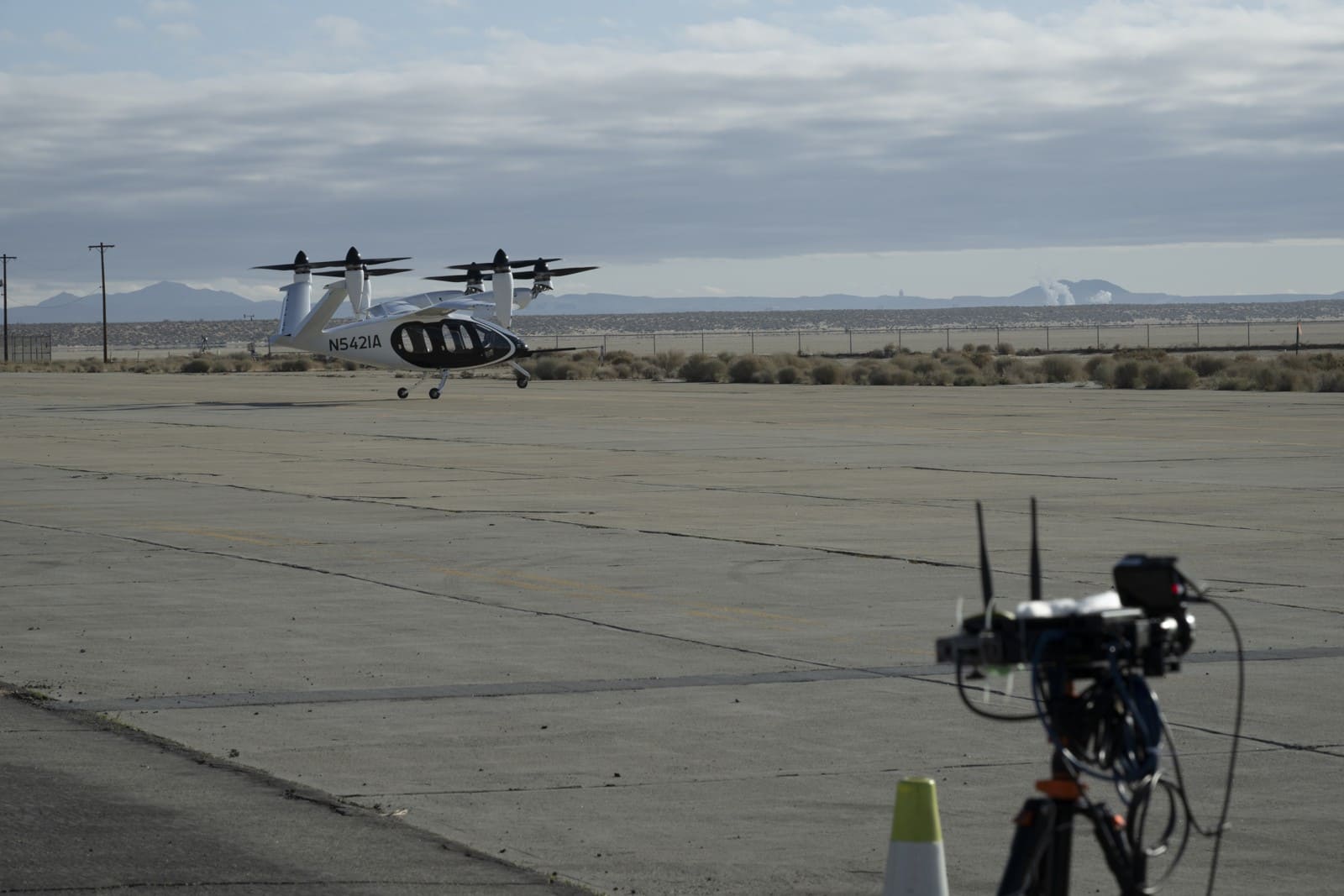
An eVTOL insurance inquiry should distinguish a proposed business from an identified aircraft and an authorized operation. Investors, aircraft owners, operators, manufacturers and facilities providers can participate in the same project while holding different responsibilities. A useful insurance file shows those roles and the stage of the project before asking for a single premium.
The term eVTOL describes an electric vertical takeoff and landing concept, but it should not be used as a substitute for the aircraft’s actual category, certification status or operating arrangement. For a powered-lift project, those facts need to be established through the applicable documents and qualified advisers. They should also be explained accurately to any insurance reviewer.
This guide focuses on preparing an initial inquiry and evaluating any actual proposal for a powered-lift operation. It does not announce that a particular service has launched, determine that an aircraft is approved or promise BWI can place every project. It provides no flight, maintenance or infrastructure design instructions. The aim is a realistic insurance discussion grounded in facts rather than a technology forecast.
For a conventional electric airplane submission, see BWI’s electric aircraft insurance and ground equipment guide. Powered-lift planning requires its own aircraft, pilot and operating-status review.
Define the Project and Its Current Stage
State whether the inquiry concerns development activity, an identified acquisition, demonstrations, training or a proposed operating service. Identify which activities already occur and which are planned. Use dates and supporting documents where available. A business plan for future passenger service should not be described as an existing authorized operation.
Explain what decision the insurance discussion is intended to support. Early planning may require an information checklist, while a later request may seek actual terms for an identified aircraft and activity. Keep those outcomes distinct. A discussion about what underwriting might require is not a binding offer or evidence that insurance will be available at a later milestone.
If the aircraft configuration or operational structure is unsettled, identify the uncertainty. Do not fill an application with final-sounding answers simply because the project needs a budget figure. A reviewer can evaluate a clearly labeled proposal more responsibly than a submission that hides unresolved design, ownership or operating questions.
Separate Aircraft Approval Pilot Qualification and Insurance
The FAA’s powered-lift frequently asked questions describe its pilot certification and operating framework. Use the current applicable resources and qualified advisers for the project’s actual regulatory questions. The framework should not be read as approval of every aircraft design or every proposed service.
For insurance, provide the actual aircraft and operating documents requested. Identify the aircraft category and status accurately, along with the pilot and operator arrangements. Insurer acceptance is a separate decision and does not replace airworthiness, pilot qualification or operating authority requirements.
Likewise, a regulatory milestone does not itself establish an insured value, coverage limit or acceptance of a particular use. Keep those decisions in separate sections of the project file. The insurance reviewer needs to understand the milestone and the proposed activity, but should not have to infer either from promotional language.
Map the Organizations and Their Interests
Identify the aircraft owner, prospective operator, manufacturer, lessor, facilities provider and relevant contracting customer. Explain the legal entities rather than relying on one project brand. Ownership of shares in a venture, ownership of the aircraft and responsibility for operating it are different interests.
Prepare a simple responsibility schedule showing who supplies the aircraft, pilots, maintenance, ground facilities and other services. Identify outsourced functions and the responsibilities retained by the applicant. Where a relationship is not finalized, label it as proposed and provide the current agreement status.
Ask which entities and interests any offered insurance would address. A policy arranged by one participant should not be described as the project’s complete insurance program without reviewing its actual terms. Contracts and insured status need coordinated examination when several organizations share the operation.
Build an Initial Inquiry File
| Inquiry subject | Supporting information | Review question |
|---|---|---|
| Project stage | Current activities and dated plans | Is the request preliminary or for an identified insurable arrangement? |
| Aircraft identity | Actual configuration and approval documents available | Which aircraft and activity are being considered? |
| Legal entities | Owner and operator responsibility map | Who needs insurance and for which interests? |
| Pilots and training | Qualifications and proposed training arrangements | What acceptance conditions or information remain? |
| Facilities and equipment | Ownership, locations and agreements | Which exposures require separate program review? |
| Contracts | Complete proposed or signed agreements | Which obligations and endorsements are requested? |
| Milestones and changes | Decision dates and version log | What would require another underwriting review? |
Describe the Proposed Service in Concrete Terms
Explain the intended passengers or cargo, geography, bases, ownership arrangement and use of the aircraft. Identify any training, demonstrations, development work or repositioning activity relevant to the request. A broad statement about urban mobility does not describe the activity an insurer is being asked to consider.
Separate a future network plan from the initial operation. A first location and identified aircraft may have different information needs from an eventual multi-site fleet. Ask which portion of the disclosed plan is included in any proposal and what remains outside it. Do not assume a later expansion follows an early acceptance automatically.
Avoid unsupported claims about launch dates, public availability or regulatory readiness. Where a date is a target, identify it as a target. The insurance file should describe the real project and its dependencies, even when public-facing materials use broader language about future service.
Prepare Aircraft and Equipment Value Information
Identify the aircraft interest for which insurance is requested and the proposed value basis. Provide purchase, lease or other supporting documents requested by underwriting. Distinguish the aircraft from deposits, development costs, infrastructure and services bundled into a project agreement.
For installed and removable equipment, prepare an ownership and location schedule. Identify batteries, spares, ground equipment or other property relevant to the actual project without assuming each item forms part of the insured aircraft. If equipment is supplied under a service arrangement, explain that contractual interest separately.
A total project budget is not automatically an aircraft hull value. Ask what property can be considered, what supporting evidence is needed and which items need another coverage discussion. An actual offered value should be compared with the disclosed aircraft and interests rather than inferred from a financing announcement.
Treat Pilots and Training as Specific Submission Items
Provide the qualification and experience information requested for the actual aircraft and proposed activity. Distinguish training completed from training planned. Do not assume experience in airplanes, helicopters or unmanned aircraft automatically establishes acceptance for a powered-lift assignment.
The FAA’s powered-lift pilot training guidance is a resource for the relevant certification framework. It is not an insurance policy or acceptance of a particular pilot. Use the applicable current requirements and qualified advisers for the operational decision.
Ask how any proposed policy treats named pilots, training conditions, instructor participation and roster changes. If the personnel or training arrangement remains unsettled, explain what is pending. An unresolved condition should remain visible in the decision file rather than being treated as satisfied because the project has a planned start date.
Include Ground Facilities and Infrastructure Relationships
Identify the facilities and equipment the applicant owns, leases or uses through another provider. Describe the contractual responsibilities and locations relevant to the insurance request. Do not assume an aircraft policy includes property or premises coverage for every facility associated with the operation.
A facilities provider may have its own insurance and contractual obligations. Ask what evidence and terms are required from each party and how the applicant’s retained exposure is being considered. A certificate supplied by another participant does not automatically establish that the operator is insured for every facility-related allegation.
Technical planning, installation and operating procedures belong with qualified professionals and applicable approvals. This guide does not specify how infrastructure should be designed or used. For underwriting, describe the actual arrangement and identify planned work, responsible parties and unresolved documentation accurately.
Review Contracts Before Making Insurance Promises
Collect aircraft leases, service agreements, facilities contracts and customer arrangements relevant to the proposed activity. Include amendments and referenced schedules. Summarize requested limits, insured status and special wording beside the source provision, while retaining the complete documents for review.
Have appropriate legal counsel evaluate contractual obligations and ask the insurance reviewers how any available offer relates to them. A clause requiring insurance does not create an insurer’s obligation to provide it. Likewise, a project participant’s willingness to sign an agreement does not establish that every assumed liability is insurable.
If requirements cannot be addressed by the terms offered, identify that issue early. Do not use a certificate deadline or funding milestone to justify an unsupported representation that all insurance is arranged. The accepted scope and any limitations should be understood before they are described to contracting parties.
Evaluate an Actual Proposal as a Defined Offer
When terms are available, record the legal insureds, aircraft, use, period, values, liability limits and relevant conditions. Identify exclusions, deductibles or retentions, defense provisions and any restrictions material to the project. A short premium indication should not be treated as the complete proposed program.
Ask which project stage the offer addresses and what changes require further review. Development activity, demonstrations and a later operating service should not be assumed to share the same terms. Compare the actual scope with the version of the submission underwriting considered.
Avoid publishing unsupported price ranges or universal claims about eVTOL coverage. Availability can depend on the identified request and actual underwriting. A useful budget record distinguishes a confirmed offer from an early estimate, unresolved inquiry or assumption that has not been accepted.
Coordinate the Wider Business Program
The aircraft operation can sit alongside manufacturing, professional services, property, cyber, employment and other business exposures. Identify which participant performs each activity and which coverage discussion addresses it. A single project label should not conceal separate legal entities and responsibilities.
For any related program, compare dates, entities and the intended role of each policy. Matching renewal dates can help administration but do not establish complete alignment of coverage. Ask about relevant interfaces and unresolved gaps using the actual documents rather than assuming the largest participant’s policy handles everything.
BWI’s commercial aviation insurance resources provide a starting point for a focused inquiry. The project should identify the particular aircraft and activities it wants considered, and confirm whether appropriate options are available before relying on any proposed arrangement.
An Illustrative Project Milestone Review
Imagine a venture evaluating an identified powered-lift aircraft while negotiating a facilities agreement and planning pilot training. The intended first activity differs from a later passenger service described in the business plan. This hypothetical example illustrates how to organize an inquiry, not an approved aircraft or a service available to the public.
The initial file would identify the actual aircraft status, entities, first activity, proposed location and training arrangement. It would label unsigned contracts and future service plans accurately. A reviewer could then distinguish information needed for an initial offer from questions that would remain for later stages.
If the project subsequently changes aircraft configuration or operator entity, the file would need updating. An earlier discussion would not by itself establish acceptance of the revised arrangement. Keeping dates and versions clear helps the project avoid presenting an insurance response to an old plan as confirmation of a new one.
For example, a venture might initially request consideration for an identified demonstration activity while a facilities contract remains unsigned. If a separate operating company later becomes the proposed lessee, record the new entity and its responsibilities instead of changing only the project name on a summary. Ask whether the earlier response addressed that company, the proposed aircraft interest and the revised activity. Keep the aircraft document version and draft agreement beside the dated underwriting question. A financing deadline does not settle the unanswered insured-status question. Until the reviewer has addressed the actual request, mark the earlier indication as relating to its original facts rather than presenting it as acceptance of the revised plan.
Keep Milestones and Acceptance Records Distinct
Maintain a log of material decisions: aircraft selection, contractual changes, applicable regulatory documents, pilot arrangements and requested insurance dates. Record which information was supplied to underwriting and when. The log should make it possible to identify the plan that received a particular response.
Distinguish an inquiry, indication, quote, binding confirmation and issued policy. Each has a different role. Ask what conditions remain before coverage can be relied on and who is responsible for resolving them. Do not interpret a helpful preliminary conversation as a commitment to insure a future operation.
After an arrangement is bound, review the issued documents and maintain the agreed process for changes. The objective is a documented insurance decision for the actual project stage. It is not a promise of future market availability, a launch authorization or a guarantee that every later activity will fall within the same program.
Identify the People and Goods the Project Proposes to Carry
Describe the intended occupants and their roles using the facts available for the proposed activity. Pilots, instructors, technical personnel, customers and other passengers should not be combined into one unexplained headcount. Ask how an actual offer defines relevant people and whether any distinct limits or restrictions apply. An early proposal without final staffing should identify what remains undecided.
If cargo or other property will be carried, explain who owns it and the applicant’s role. Insurance on the aircraft, liability for goods and property insurance on the goods are different questions. A project should not advertise cargo protection merely because it has obtained an aircraft proposal. Provide the contemplated service agreement so the appropriate coverage discussion can use the actual responsibility being assumed.
For a proposed passenger service, distinguish the insurance question from operational, accessibility, consumer or other requirements that may need qualified review. This guide does not determine those obligations or describe a service as authorized. The insurance file should state the intended activity accurately and identify the supporting documents available, with target plans clearly separated from established permissions.
If the first activity carries only personnel involved in development or training, explain that arrangement without treating it as a permanent description of every future flight. A later change in who is carried or what service is sold can require another review. Keep the first-stage submission and subsequent updates together so the project can show which facts were considered at each stage.
Use these distinctions when comparing liability proposals. Ask which people, property interests and activities the offered terms address, and record unanswered questions. A generic statement that passenger and cargo risks are included is insufficient if the actual offer contains definitions or exclusions that have not yet been reviewed against the project’s plan.
Frequently Asked Questions
Does the word eVTOL establish an aircrafts approved category
No. Use the actual aircraft documents and applicable regulatory framework. The descriptive term does not replace confirmation of category, certification status or operating authority.
Does the FAA powered lift framework establish insurance availability
No. Regulatory requirements and insurance underwriting are separate. An actual identified aircraft, activity and applicant need their own review.
Can a project budget be treated as the insured aircraft value
Do not assume so. Separate aircraft property from deposits, development costs, infrastructure and services. Ask what interests and values underwriting can consider.
Does insurance for development activity automatically extend to passenger service
Do not assume it does. Identify the proposed stage change and obtain the appropriate review and confirmation under the actual arrangement.
What is the most useful first inquiry
Provide the project stage, identified aircraft information available, legal entity responsibilities, intended activity, location, pilot plan and relevant agreements. Label unresolved items and target dates clearly.
Discuss the Proposed Aircraft With BWI
Bring BWI a factual project summary, the aircraft documents available, entity responsibilities, intended use and current contracts. Identify which activity and effective date the insurance inquiry concerns.
Contact BWI to discuss a commercial aviation insurance request. Ask whether options are available for the disclosed powered-lift project. Any offer is subject to underwriting acceptance and actual terms; no placement or operating approval is implied.
Continue Reading


