
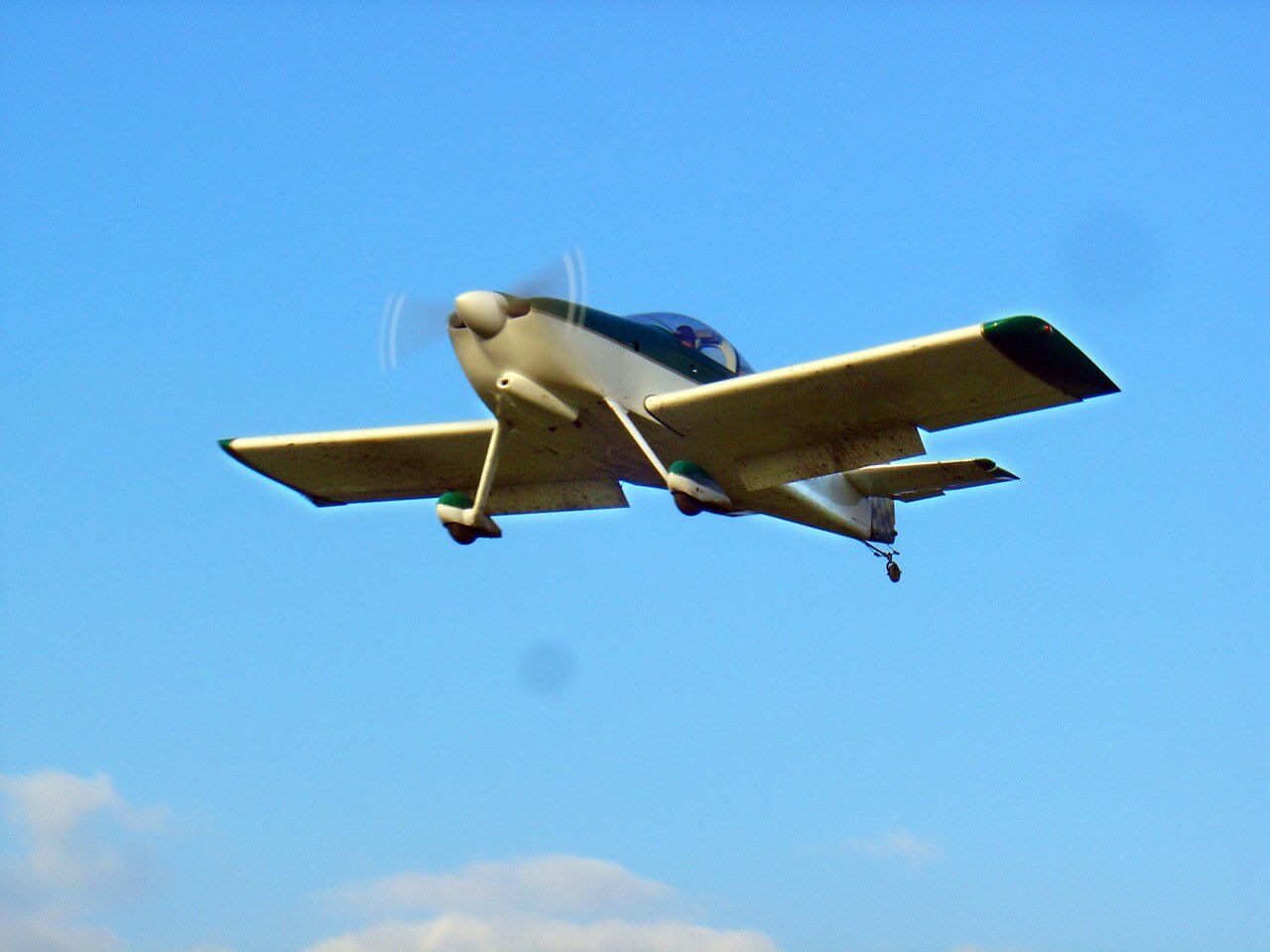
Hiring an experienced test pilot can be an important part of an experimental aircraft flight test plan. The insurance question is more specific than whether that person is a good pilot. The owner needs to know what the policy accepts for the intended tests, and the pilot needs to understand their own protection and obligations.
Begin that review before the engagement and first flight dates are fixed. Provide the aircraft configuration, project stage, proposed pilot and work scope together. At BWI, we help owners organize these facts into a coverage request. Get an aircraft insurance quote from BWI and tell us that you plan to hire a test pilot for the experimental aircraft.
Define the Test Pilot Engagement
Explain whether the person will conduct the first flight, a defined portion of testing, the complete initial program or later evaluation after a modification. A request for a test pilot can mean very different activities. Include ground work and movement if they are part of the engagement.
Identify who will plan the test program, maintain records and communicate discrepancies. Those operational responsibilities should be clear to the owner and pilot before insurance is discussed. The insurance submission should describe them accurately rather than trying to create a technical plan through policy language.
Also distinguish test flying from transition instruction. The same person may be qualified for both, but the activities and people aboard can differ. If the owner hopes to receive instruction later, identify that as a separate stage to review rather than assuming it is part of the accepted test pilot arrangement.
Use Two Parallel Readiness Reviews
Technical and regulatory readiness belong in one workstream, while insurance acceptance belongs in another. Neither replaces the other. A bound policy does not establish airworthiness or permission for a test activity, and an operationally qualified pilot does not automatically satisfy every insurance condition.
The FAA Amateur Built Aircraft and Ultralight Flight Testing Handbook provides advisory guidance for individualized test planning. Use the applicable operating limitations and qualified technical guidance for the actual aircraft. This article does not supply test maneuvers or flight release instructions.
The practical coordination point is that both reviews should describe the same aircraft, pilot and activity. If one team expects a solo first flight and another document describes instruction with the owner aboard, resolve the inconsistency before relying on either record.
Prepare a Pilot Acceptance Package
Supply the pilot information requested for underwriting, including relevant experience and training. Identify the specific aircraft model and configuration rather than assuming total flight time is the only meaningful qualification. Explain any relevant experience with similar aircraft where requested.
Include how the pilot will become familiar with this particular aircraft. Experimental aircraft with a common kit name can still differ in equipment, engine, propeller and modifications. A factual configuration summary helps the reviewer understand what is being proposed.
Do not promise that a professional title guarantees acceptance. The insurer may have questions about the aircraft, use or pilot conditions. Allow time to resolve those questions and retain the final accepted wording rather than treating an initial favorable response as unconditional approval.
Compare the Engagement With the Insurance Terms
The table organizes a review of the proposed work and accepted coverage. It is not a list of guaranteed benefits or universal conditions.
| Engagement item | Information to disclose | Term to verify |
|---|---|---|
| First flight | Pilot aircraft and intended timing | Whether the accepted coverage includes the activity |
| Later test flights | Scope and stage of testing | Any continuing restrictions or conditions |
| Ground tests | Who operates and whether movement occurs | Ground activity provisions |
| Pilot protection | Individual or business engaged | Insured status and separate personal exposure |
| Aircraft damage | Requested value and configuration | Physical damage scope limits and deductible |
| Owner transition | When the owner begins flying | Separate pilot and training acceptance |
Ask Whose Protection the Policy Provides
Review owner's protection for damage to the aircraft and liability involving others. Then review whether and how the hired pilot is protected. An accepted pilot provision can permit operation for the owner's protection without answering every personal liability question for the pilot.
If the pilot works through a company, identify that entity and the contract relationship. Do not assume naming the individual addresses the business or that a business certificate addresses the individual. The review needs to identify the parties actually seeking protection.
The pilot may also want separate professional or nonowned insurance reviewed. Explain the experimental flight testing activity expressly. A policy used for ordinary rental flying or flight instruction should not be assumed to address first flight testing without examining its terms and eligibility conditions.
Read the Test Pilot Agreement Alongside the Policy
The engagement may allocate responsibility for damage, deductibles, delays, expenses and termination. It may also contain indemnity or liability limitation provisions. Have qualified legal counsel review those obligations and supply the relevant language for insurance analysis.
Avoid assuming that a signed agreement transfers every financial consequence to the pilot or their insurer. A contractual obligation and an insured obligation can differ. Likewise, an owner waiver does not by itself establish the pilot's insurance position or eliminate every claim involving other parties.
Retain the final version used for the engagement. If the scope expands from initial testing to owner training, update both the work description and the insurance review. A flexible relationship still benefits from a clear record of which activities have been accepted.
Confirm Aircraft Damage Terms Before the First Flight
Review the requested insured value against the aircraft current configuration and documentation. Identify whether the offered physical damage coverage applies to the intended test stage and whether special terms apply. Do not assume a liability placement automatically includes hull protection.
Also review any deductible and conditions in the actual offer. An owner deciding whether to accept terms needs to understand the arrangement before the flight, not simply the annual premium or a broad all risk label. Ask for unresolved restrictions to be explained in writing.
Keep the insurance decision separate from the cost of the test pilot engagement. The pilot's fee does not tell you the coverage scope, and a higher insured value does not establish that every possible loss or contractual charge is covered. Review the actual offered terms as a whole.
Plan the Owner Handoff After Testing
A test pilot completing an assignment does not automatically establish that the owner may begin flying under the same conditions. Identify the owner pilot acceptance and training plan separately. Ask what evidence is needed when the project moves to that stage.
The handoff should include the operational records needed for the aircraft as well as the insurance record. The owner should know what has been completed, what remains unresolved and whether changes to the aircraft need to be reported. Avoid equating one successful flight with completion of all testing or policy conditions.
Our experimental aircraft insurance page provides the broader project coverage context. For this transaction, keep the test pilot period and the later owner flown period clearly described so the submission follows the actual sequence.
A Hypothetical Limited Test Pilot Assignment
Imagine an owner hiring a pilot to conduct the initial flights of a newly completed homebuilt. The owner plans to begin transition training afterward with a different instructor. This is an illustrative planning scenario, not a customer account or coverage promise.
The owner submits the test pilot information, configuration, intended testing and proposed agreement. The insurance review addresses the test activity and protection for the identified parties. The future instructor and owner flight plans are recorded as another stage requiring their own review.
If the test pilot later offers to provide the transition instruction as well, the activity description changes. The owner should obtain the appropriate operational and insurance review before treating the expanded engagement as accepted simply because the same person remains involved.
Before You Finalize the Engagement
- Define the ground and flight activities included in the work.
- Provide the actual aircraft configuration and project stage.
- Supply relevant pilot experience and requested training information.
- Review owner's aircraft damage and liability protection.
- Review the hired pilot and any business insured interests separately.
- Compare the agreement obligations with the offered insurance.
- Confirm effective dates conditions and evidence before the first activity.
- Plan separate acceptance for owner flying and later instruction.
Frequently Asked Questions
Does Hiring a Professional Guarantee First Flight Coverage?
No guarantee follows from the title alone. The proposed aircraft pilot and activity need underwriting review and accepted terms. Confirm the actual coverage scope and any conditions before relying on the arrangement for the first flight.
Is an Approved Test Pilot Automatically an Insured?
Do not assume those questions have the same answer. Review the pilot provisions and insured definitions separately. The owner and pilot should understand what protection is offered to each party rather than relying on an informal statement that the pilot is approved.
Can the Owner Be Aboard During Testing?
That is a separate operational and insurance question requiring the actual operating limitations applicable guidance and proposed activity. Do not treat the presence of a hired pilot as permission to carry another person. Obtain the appropriate qualified review before planning the flight.
Does Liability Coverage Include Damage to My Aircraft?
Do not assume it does. Review physical damage coverage separately from liability protection and confirm the terms applicable to the test stage. The quote should make the requested coverage and accepted arrangement understandable before you decide whether to proceed.
What If the Test Pilot Changes?
Provide the replacement pilot information and obtain the necessary acceptance before relying on terms prepared for someone else. More total experience does not automatically satisfy every condition. Keep the final agreed person and qualifications in the placement record.
Can the Same Pilot Train Me After Testing?
Potentially different activities need separate review even when the person is the same. Identify the instruction plan aircraft status and people aboard and confirm the applicable operational and insurance requirements. Do not assume the test flying engagement automatically includes later training.
Get a Quote From BWI When Hiring an Experimental Aircraft Test Pilot
At BWI, we help owners organize experimental aircraft coverage requests around the project stage and people involved. Send the aircraft configuration, requested value, pilot information and proposed engagement so the review addresses the actual test flying plan.
Include what will happen after testing, especially if the owner will begin flying or another instructor will provide transition training. Our aircraft insurance overview offers broader context for owner coverage while this request focuses on the test pilot handoff.
Get an aircraft insurance quote from BWI or call 866 788 6291. Tell us the intended testing dates and which ground flight and training activities are included in the engagement.
Continue Reading