
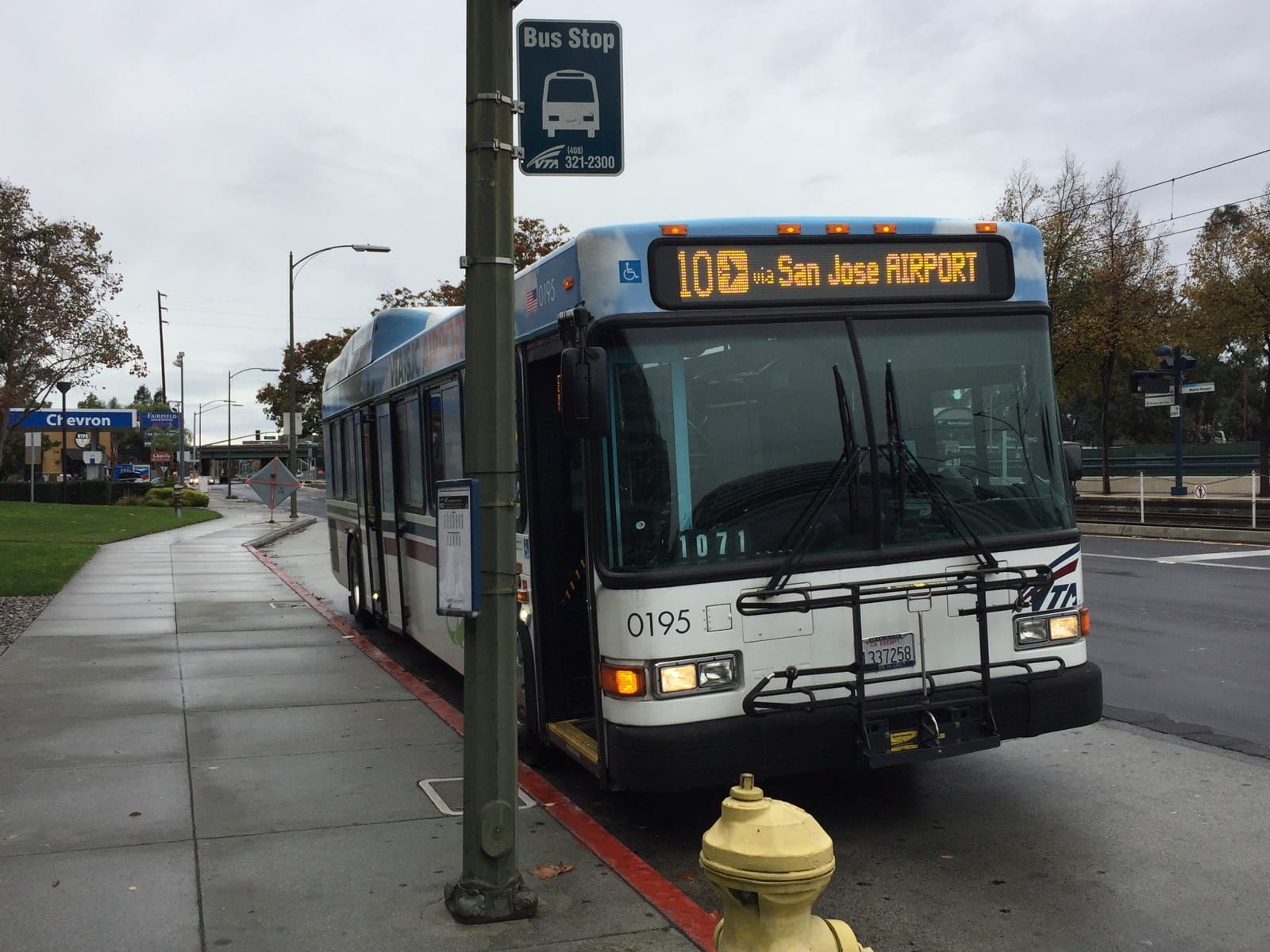
An FBO courtesy car and a staff-driven shuttle create different insurance questions. Review how each vehicle is owned, used and made available to passengers or visiting pilots.
Define the vehicle service
Identify vehicle owners, the FBO business and each intended use. Explain whether customers drive themselves or employees transport them. Describe driver permission, eligibility checks and any customer agreement. Include personal vehicles used for business trips and vehicles supplied by another company.
Compare liability and vehicle damage
Ask about liability to passengers and other road users separately from damage to the courtesy vehicle. Review limits, deductibles, permitted drivers and business use. Do not infer auto protection from an aviation liability policy. Give BWI lease agreements and lender requirements when they apply.
Document handoffs and incidents
Keep the vehicle record, authorized driver details and customer terms consistent. Explain airport access and parking arrangements. For example, a shuttle that starts serving hotels may have a broader use than originally described. Report that change for review and keep the applicable claim contacts readily available.
Prepare the BWI review
Gather the service description, locations, property values, staff roles, agreements, current policies and factual claims history. Explain proposed changes and the date they will start.
Compare the actual limits, deductibles, exclusions, insured parties and activities. Ask which requested terms are accepted and what remains outstanding. Keep the final documents and reporting instructions with the business records.
Request a commercial aviation insurance review from BWI for the operation described above. Availability and terms require an individual review.
Continue Reading

