
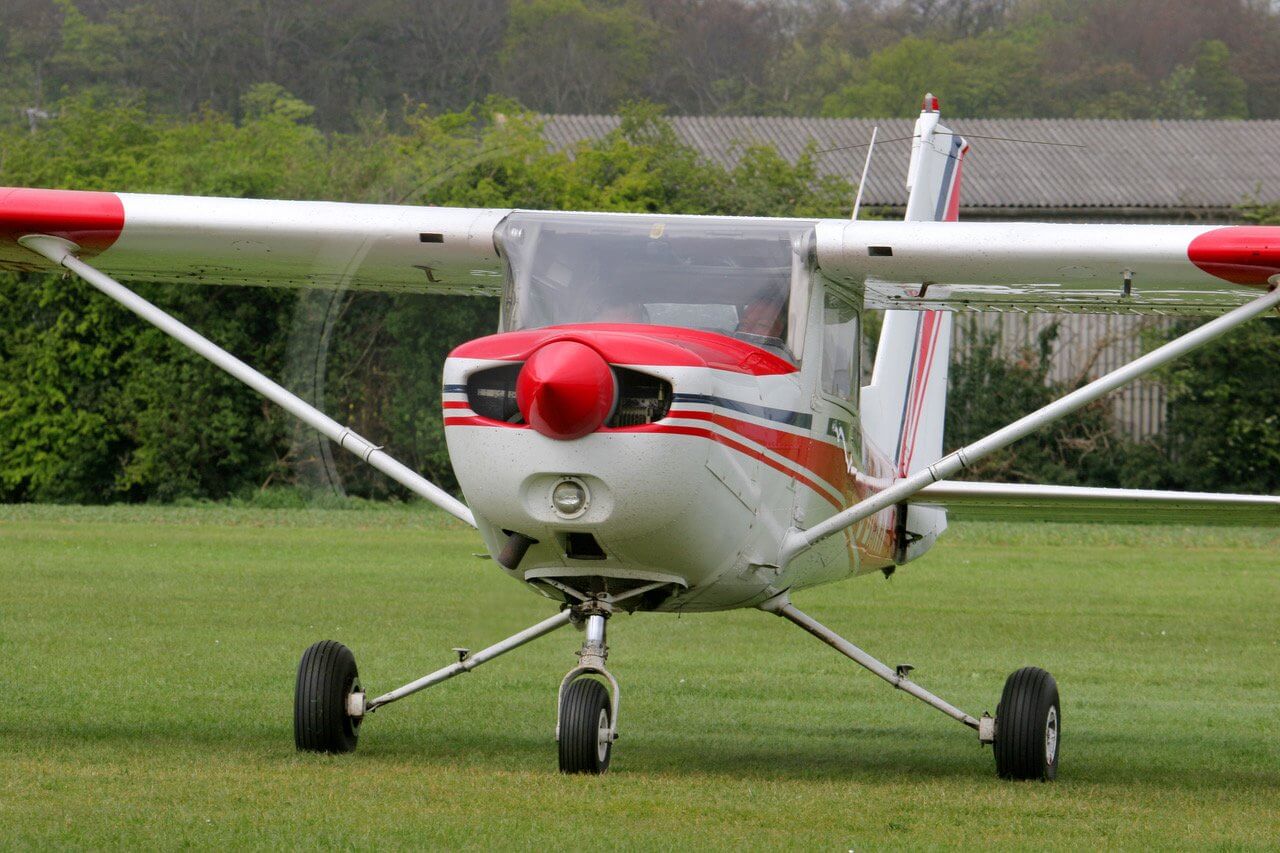
An aircraft entering a flight school leaseback program needs insurance arranged for the actual ownership, instruction, rental and owner use. The lease can allocate who buys insurance and who pays a deductible, but it cannot expand a policy by itself. Before the aircraft joins the dispatch schedule, reconcile the agreement with accepted coverage, insured interests and pilot conditions.
The central decision is how the owner and school will be protected while the aircraft serves several roles. The same airplane may fly a student lesson, a rental trip and an owner flight during one week. Each use must fit the arrangement rather than relying on the phrase leaseback as a standardized coverage category.
At BWI, we help owners and aviation businesses present those facts when requesting insurance options. Send the proposed lease, aircraft details, expected uses and first dispatch date together. Get your flight school insurance quote with BWI before treating a signed lease as permission to begin operations.
Describe the Actual Leaseback Operation
Start with the aircraft owner and the school operator. Identify their exact legal names, who controls scheduling and who contracts with students and renters. If an LLC owns the airplane, disclose that entity and any individual interests requiring review. A company name on the registration does not describe every person or organization expecting protection.
List the planned uses. Dual instruction, student solo, renter operations, transition training, checkrides and owner flights can create different questions. Include visiting instructors, outside pilots or other activities if the program intends to allow them. Do not assume every operation falls within a generic flight school description.
Explain where the airplane is based and how it will be maintained, moved and stored. A leaseback can involve school personnel, a maintenance shop, line staff and other custodians. These arrangements help identify property and liability questions beyond the time the aircraft is airborne.
For broader background, review our flight school insurance information. The actual program still needs a specific submission because the owner interests, uses, pilots and lease obligations differ among schools.
Turn the Lease Into an Insurance Worksheet
Do not review the lease only for the monthly payment or revenue split. Extract each insurance and damage responsibility clause, then identify where the proposed policy supports it. A requirement can sound reasonable in the agreement while needing a different insurance arrangement or clarification.
The worksheet below helps the owner and school discuss the same facts. It does not prescribe a universal rule that the owner must buy hull coverage or that the school must provide every liability section. Those decisions require the actual proposal and agreement.
| Lease issue | Question to resolve | Evidence to compare |
|---|---|---|
| Insurance purchaser | Who arranges each coverage and who receives protection | Declarations, definitions and accepted endorsements |
| Aircraft value | What value is proposed and how it is settled | Schedule, valuation terms and supporting records |
| Permitted use | Which lessons, rentals and owner operations are accepted | Use provisions, pilot conditions and operating plan |
| Damage responsibility | Who bears deductibles and uninsured obligations | Lease wording and relevant policy provisions |
| Lender interest | What financial party requires evidence or protection | Loan requirements and supported payment wording |
| End of lease | How return custody and later claims are handled | Termination terms and the insurance transition plan |
Owner, School and Lender Interests Are Different
The owner has an interest in the aircraft and may face liability allegations connected with ownership or the arrangement. The school has operating and business responsibilities. A lender has a financial interest that may require specified payment protection. These interests should be identified separately rather than assuming one name on a certificate addresses all of them.
Named insured, additional insured and loss payee or lienholder status serve different purposes under their actual wording. The right arrangement depends on the parties and contract. Adding someone as a certificate holder is not the same as granting insured protection or changing how a hull claim payment is made.
The New York Department of Financial Services' certificate opinion explains in that jurisdiction that a certificate cannot create rights beyond the underlying policy. It is a named state example, not a nationwide legal opinion. The practical review remains the same: obtain the supporting policy and endorsements rather than relying on a description box.
Review the interests again at renewal or after a financing change. A lender name, owner entity or school organization can change while the aircraft remains familiar. Current evidence should reflect accepted terms for the current parties, not a certificate copied indefinitely from the first year.
Pilot Approval Does Not Settle Every Liability Question
A school needs a workable process for determining who may operate the aircraft under its policy conditions. That can include instructors, students, renters and the owner. Describe the intended categories accurately and provide the information required by the insurer. Do not invent a single universal checkout or minimum experience rule for all leasebacks.
Pilot acceptance and insured status are separate. A person can meet operating conditions without receiving every protection of the named insured. Likewise, a private agreement saying the owner may fly whenever desired does not override the policy's conditions for that owner's operation.
Identify how new pilots and instructors are reviewed during the program. The dispatch process should use the actual accepted requirements. If approval is conditional on training or another step, assign responsibility for confirming completion before the relevant flight.
Include nonroutine flights in the conversation. A delivery flight, maintenance related operation, evaluation or owner trip can differ from an ordinary lesson. The school and owner should know who requests review and who can authorize a change rather than leaving a last minute decision to whoever is at the desk.
Plan for Damage Before the First Rental
A useful leaseback agreement addresses what happens after damage without assuming every expense is insured. Separate physical repair, deductible allocation, storage, recovery, replacement aircraft and lost use. The policy and lease can treat those items differently.
The owner and school should identify who reports a loss, protects the aircraft, communicates with the insurer and authorizes work. Do not let the lease require immediate repair in a way that conflicts with policy inspection or approval conditions. Keep the claims contact information accessible to both parties.
Discuss the financial obligations that remain outside any insurance payment. A contractual promise to reimburse all lost rental revenue, owner travel costs or loan payments can be broader than the coverage. Qualified legal counsel should review those obligations, while the insurance review identifies what the proposed terms actually address.
Avoid a simple assumption that whichever party caused damage pays the deductible. The lease may allocate responsibility differently, and the insurer's obligations depend on the policy. A clear arrangement connects the private cost allocation with the actual insurance rather than treating one as a substitute for the other.
A Hypothetical Student Solo and Owner Flight Week
Imagine a hypothetical airplane joining a school's fleet. The plan includes dual lessons, student solo and rental use. The owner also expects to reserve the airplane for occasional personal trips. The school and owner agree commercially, but the insurance submission describes only instruction.
Before dispatch, the parties should reconcile the complete operating plan with the policy. Owner use and rental activity should not be left as informal assumptions. The owner also needs to understand their insured status and operating conditions rather than assuming ownership gives unrestricted permission under the school's arrangement.
Now suppose the owner requests a different instructor for a personal transition flight. That person and activity need to fit the accepted terms. Familiarity with the school or the aircraft does not by itself establish that the outside instructor has been reviewed where review is required.
The example does not predict a claim outcome or say one insurance structure fits every program. It shows why the first week should be tested on paper before the aircraft arrives. Map the actual people and uses, then obtain the appropriate response for the proposed operation.
Do Not Use Leaseback Revenue to Guess an Insurance Limit
Expected rental revenue is a business consideration, but it does not determine every coverage decision. Aircraft value, liability exposures, passenger arrangements, uses, pilots and contractual requirements need their own review. A leaseback that appears financially attractive can still impose obligations the parties have not evaluated.
Request actual insurance terms rather than applying a rumored leaseback premium or assuming an owner policy can be left unchanged. The proposed program may require different underwriting information or accepted coverage. Availability and price depend on the actual submission and insurer response.
Compare proposals on more than premium. Review insured parties, use, pilot conditions, values, deductibles, limits and endorsements. Identify material differences so the owner and school understand what each proposal provides. A lower figure does not by itself establish an equivalent arrangement.
Keep financial forecasting separate from promised insurance results. We can help organize the coverage questions when requesting options, but no proposal should be presented as a guarantee of rental profitability, uninterrupted availability or payment for every loss.
Coordinate Maintenance, Custody and the First Dispatch
The airplane may move into the school's custody before its first lesson. Identify the delivery date, storage, inspection and acceptance sequence. If the school performs a checkout, evaluation or maintenance related flight before normal dispatch, include it in the operating plan.
Match the accepted insurance effective date and time to the actual handoff. A quote or submitted application is not proof that protection has been bound. Confirm the relevant terms before the parties rely on them, including any lender evidence needed at the transition.
Maintenance responsibility and airworthiness remain separate from insurance. Qualified personnel should determine the applicable inspection, maintenance and operational requirements for the actual use. An insurance confirmation does not certify the airplane's condition or authorize dispatch.
Retain an entry condition record with aircraft identifiers, equipment, known discrepancies and relevant documents. It helps distinguish what existed at the start from later findings. The condition record does not replace technical inspection or establish coverage, but it supports a clear relationship between owner and school.
A First Dispatch Checklist for a Leaseback Aircraft
Use this checklist when the program is ready to move from negotiation to operation. Revisit it after changes in ownership, services, pilots or insurance renewal.
- Verify owner, school and lender identities and the interests seeking protection.
- Match the final lease with accepted coverage, values, limits and endorsements.
- Disclose instruction, solo, rental, owner and any other proposed use.
- Confirm pilot requirements and the process for new instructors and renters.
- Agree loss reporting, repair coordination, deductible allocation and uninsured obligations.
- Confirm custody, condition records and accepted insurance timing before the first dispatch.
Questions About Flight School Leaseback Insurance
Does a Personal Owner Policy Automatically Cover Leaseback Use?
Do not assume it does. Present the actual instruction, rental and other operations before the airplane enters the program. The accepted use, policy conditions and underwriting determine the arrangement. A signed lease cannot expand an existing owner's policy or substitute for an accepted change.
Who Should Buy the Insurance?
The appropriate arrangement depends on the owner, school, lender, lease and available terms. There is no universal allocation in this article. Identify which party arranges each coverage and verify that the relevant interests are protected under the actual policy. The lease's payment responsibility and insured status are separate questions.
Is the Owner Protected Because the School Gives Them a Certificate?
The certificate should be checked against supported policy terms. Certificate holder status alone does not establish the protection the owner expects. Review named insured or other relevant status, liability scope and aircraft payment interests. Obtain any required endorsement rather than relying on a general description of the leaseback.
Can the Owner Keep Using the Airplane Personally?
The lease may allow that commercially, but the operation must also fit the insurance and applicable requirements. Disclose owner pilots, intended use and any outside instruction. Confirm the relevant conditions before flight. Ownership and a reserved calendar slot do not override policy limitations.
Will Insurance Pay the School for Lost Rental Time?
Do not assume aircraft damage coverage includes every lost revenue or replacement expense. Review specific wording and the lease's obligations separately. A private promise to compensate downtime can be broader than the insurer's payment. Identify that exposure before the first rental rather than after the aircraft becomes unavailable.
Get a Flight School Leaseback Quote From BWI
At BWI, we can help you present the owner, school, aircraft and proposed uses together when requesting aviation insurance options. Send the lease, aircraft details, supported value, pilot and renter plan, lender requirements and first dispatch date. Identify owner use and any obligations for damage or downtime.
Review our commercial aviation insurance information, then get your flight school leaseback insurance quote from BWI or call 866 788 6291. Resolve the accepted terms before the airplane enters service. Coverage depends on the issued policy and endorsements; a quote request does not bind protection.
Continue Reading

