
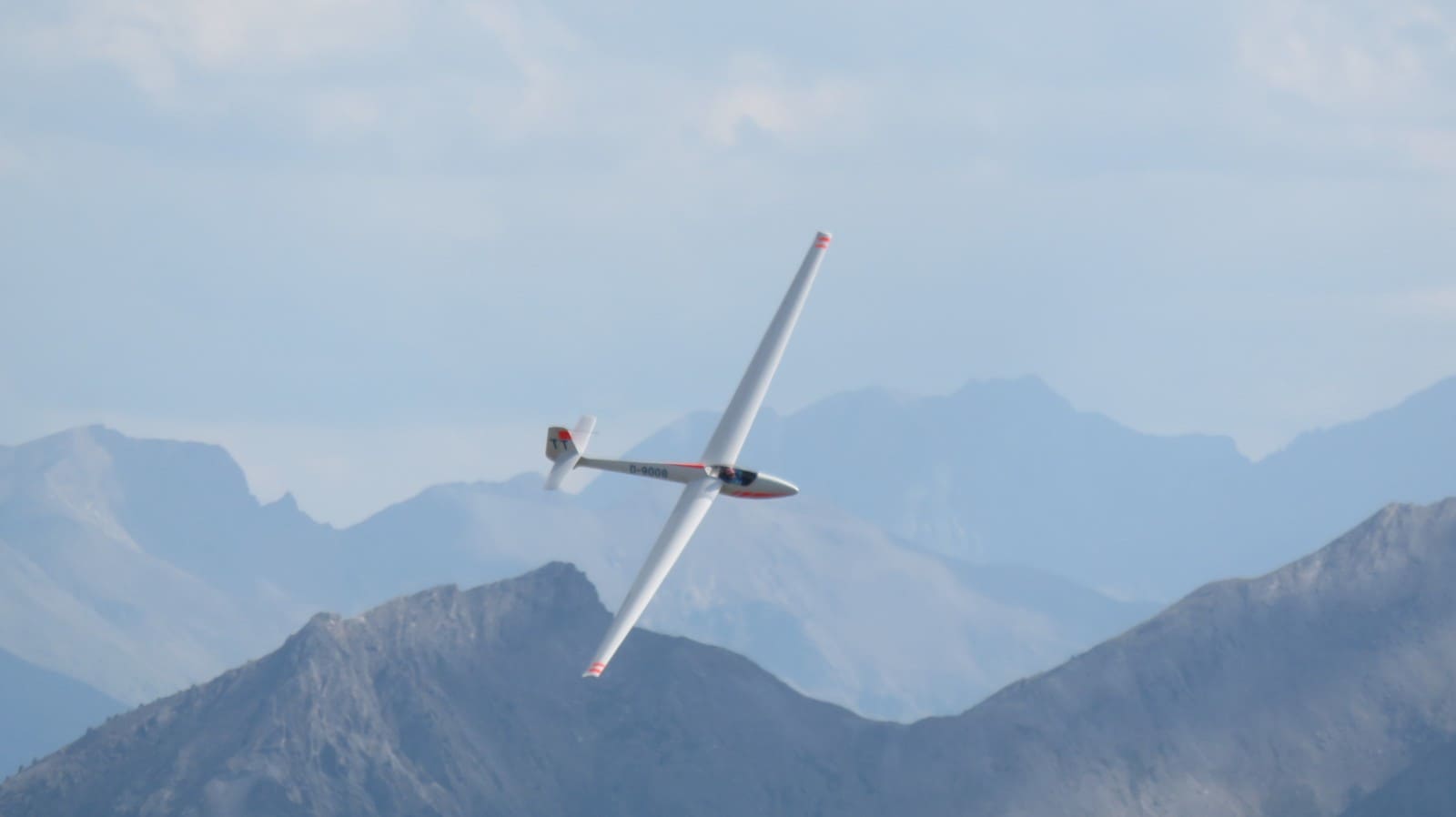
A rented or club glider creates questions about aircraft damage, personal liability and agreements. Review the actual arrangement before selecting a non-owned aircraft limit.
Identify the relationship
Explain whether you are a renter, member, student or instructor. Obtain the current club or school agreement and insurance requirements. Describe the glider and planned activities. Permission to fly does not itself tell you what you may owe after damage or how your own policy responds.
Describe the full outing
Include the launch method, assembly, ground handling, storage and any trailer or retrieval arrangements. Ask about aircraft damage and retained expenses separately. Disclose passengers, competition or other changes in use. Operating permissions and insurance acceptance need separate confirmation.
Compare and maintain evidence
Use the same glider and activity details when comparing offers. Review limits, deductibles, exclusions and reporting instructions. Report material changes before relying on earlier terms. Keep agreements and contact details accessible for an incident during flight, handling or retrieval.
Bring the facts to BWI
Provide the aircraft or equipment details, parties, intended use, dates and relevant agreements. Include current policies and factual loss information where applicable. Keep unanswered questions visible until the appropriate review is complete.
Discuss your aviation insurance review with BWI. Availability and terms depend on the individual submission and the actual policy wording.
Continue Reading

