
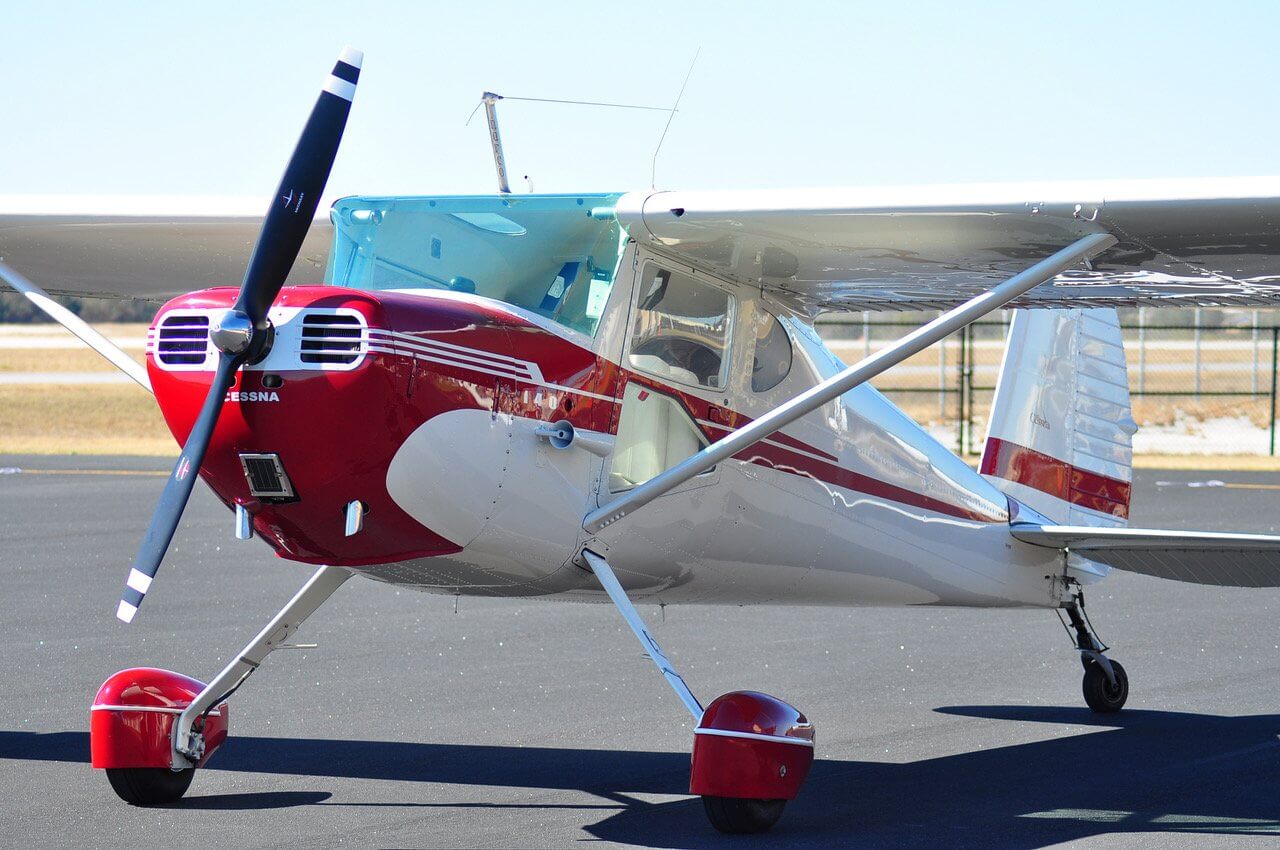
The first trip from your workshop to the airport may happen on a trailer rather than under the aircraft's own power. That does not make it a minor insurance detail. Loading road transit unloading temporary storage and reassembly can involve different people and responsibilities before the airplane reaches its hangar.
Plan the insurance handoff around that sequence before moving day. At BWI, we help owners describe the property route custody and next activities so the request fits the actual move. Get an aircraft insurance quote from BWI and explain that a completed homebuilt is leaving the workshop for its first airport relocation.
Write the Move as a Custody Timeline
Begin with the aircraft at its current location and follow it until it is received at the airport. Identify who handles each stage and when responsibility changes. If the wings or other assemblies move separately, show their routes and dates rather than treating everything as one shipment.
The timeline should include pauses. Overnight parking at a carrier yard or temporary storage in another building can matter to the review. A statement that the airport is only a short drive away does not identify where the property will be held if the schedule changes.
Also state what happens after arrival. Will the aircraft remain stored, undergo reassembly or begin ground testing? Arrival at an airport does not by itself establish flight readiness or expand the activities accepted by a construction policy.
Use a Workshop to Airport Handoff Table
This table is a planning record for the insurance discussion. It does not provide loading instructions or establish that any listed stage is automatically insured.
| Stage | Person holding or handling the aircraft | Insurance fact to confirm |
|---|---|---|
| Before loading | Owner at workshop | Current location property description and value |
| Disassembly and packing | Owner helpers or professional mover | Scope of work and property handled |
| Loading | Named loading party | Whether handling damage is addressed |
| Road transit | Owner or contracted carrier | Route vehicle custody and transit terms |
| Temporary stop | Owner carrier or storage facility | Location duration and security arrangements |
| Unloading and receipt | Receiving crew and airport facility | Condition record and responsibility handoff |
| Reassembly and storage | Owner or contracted shop | Accepted location and activities after arrival |
Ask About Transit Without Assuming Ground Coverage Includes It
Locate the current policy and relevant endorsements. Ask how the contract addresses the actual road transit and handling arrangement. Do not rely on the ordinary meaning of ground insurance or assume a project policy includes every move because the aircraft will not fly.
One insurer product may describe transit differently from another, including who must hold possession or perform the transport. Those details should be reviewed in the policy being offered. Avoid borrowing a favorable statement from a competitor FAQ and treating it as a term of your own placement.
If a change or separate arrangement is needed, obtain accepted effective terms before the first stage you expect protected. A quote request is not evidence that loading or transportation has already been accepted.
Identify the Aircraft Property Being Moved
Create an inventory of the fuselage wings engine propeller avionics and loose equipment. Note which items remain installed and which are packed separately. Include serial numbers where available and connect the list to clear photographs.
Keep tools fixtures and borrowed equipment separate. They may need a different treatment from the aircraft and its components. A trailer full of aviation related items should not be assumed one insured aircraft without a clear description.
Review the requested value against the completed configuration. A value last updated when the engine was purchased may no longer represent the property now moving. Explain the basis for the request and ask how the offered terms treat components and labor.
Review a Professional Mover Agreement
If a carrier or specialist mover is involved, obtain its agreement before accepting the service. Identify responsibility for packing loading securement transit unloading and storage. Have qualified legal counsel review questions about liability limits indemnity or other contract obligations.
Ask for relevant insurance information and distinguish carrier liability from direct protection for your property. The mover having insurance does not establish that every accidental loss will be paid or that the amount shown is available for your particular aircraft.
If the mover uses a subcontractor, identify that change in the custody record. Do not assume a certificate supplied by the booking company describes every business that will physically handle the project. Provide the actual arrangement to the insurance reviewer.
Review the Owner Transport Arrangement Too
Moving the aircraft yourself still requires an insurance review. Explain the vehicle trailer route helpers and planned stops. Do not assume auto insurance addresses damage to the aircraft cargo merely because the tow vehicle is insured.
Separate liability from damage to the homebuilt. An incident during the move could raise questions involving the vehicle property being carried and other people or property. Coordinate the relevant policies with the appropriate advisers rather than expecting one coverage label to answer every exposure.
This article does not instruct you how to move or secure an aircraft. Use qualified transport and technical guidance for the actual project. The insurance request should describe the resulting plan accurately rather than substitute for safe handling decisions.
Confirm the Airport Receiving Arrangement
Obtain the hangar or facility agreement and identify when you may deliver the aircraft. Review any insurance requirements with the actual policy and supporting endorsements. A certificate request should accurately describe accepted terms rather than introduce unsupported promises.
The FAA hangar use guidance discusses amateur built construction within its applicable airport policy framework. It does not grant a particular owner access to a hangar or replace local agreements. Confirm the receiving arrangements directly with the facility.
If another business will reassemble or hold the aircraft, provide that work scope and custody information. The move does not necessarily end when the trailer enters the airport gate. Define the point when the receiving party accepts the property and how its condition is recorded.
Document Condition at Each Handoff
Take dated photographs that identify the aircraft and separately packed components before collection. Retain the inventory packing documents and any carrier condition report. At receipt, record visible condition and any discrepancies through the appropriate process.
Do not sign an inaccurate statement simply to finish unloading. If damage is suspected, preserve the facts and contact the responsible insurance parties promptly. Avoid guessing the cause or agreeing to a settlement before the applicable review.
Keep the records somewhere accessible away from the aircraft. A move file containing the inventory agreements photographs and accepted insurance correspondence can help a later reviewer reconstruct the sequence. Its value is factual clarity, not a guarantee of a claim outcome.
A Hypothetical Move With an Overnight Stop
Imagine a builder moving a completed homebuilt in two loads. The fuselage travels with a professional mover while the owner transports the wings and boxes. The carrier expects to hold the fuselage overnight before delivery. This is a planning example, not a customer account.
The insurance request identifies both loads the different handlers and the overnight location. It also explains that the aircraft will be reassembled and stored at the airport before any engine testing. Those facts allow the review to address more than a single destination address.
If weather delays delivery and the carrier proposes a different storage site, the owner updates the plan. A short delay can change custody and location even without changing the aircraft. The accepted arrangement should be checked against those changed facts before relying on assumptions.
Plan the Next Milestone After Arrival
Arrange a separate review before engine runs taxi tests or flight if those activities are not already expressly addressed. A road move should not be used as an informal trigger to assume full flight protection has begun.
Our experimental aircraft insurance page provides broader context for the aircraft lifecycle. Keep the immediate handoff focused on loading transit receiving and storage, while identifying what information the next stage will require.
The project records should show both the location change and any subsequent activity change. This makes it easier to update the request accurately when the aircraft progresses from a stored project to ground testing and later flying.
Moving Day Insurance Checklist
- List every aircraft assembly and separately transported component.
- Identify the handlers for loading transit unloading and receipt.
- Disclose route stops and temporary storage locations.
- Review current transit and handling terms in the actual policy.
- Compare mover agreements and insurance evidence without assuming equivalence.
- Confirm receiving hangar arrangements and required evidence.
- Retain dated condition photographs and handoff records.
- Review engine testing taxiing and flight as separate next milestones.
Frequently Asked Questions
Does Ground Coverage Include Trailer Transport?
Do not assume it does. Review the actual policy and endorsement wording with the planned transport disclosed. The handler custody and type of move may affect the answer. Obtain accepted terms before loading begins if that is when you expect protection.
Does the Mover's Insurance Replace My Aircraft Coverage?
Do not treat those arrangements as interchangeable without review. A mover's policy may address its legal liability subject to conditions and limits. Your own property protection is a separate question that should be evaluated with the transport agreement available.
Are Loading and Unloading Part of Transit?
The relevant contract wording determines how those stages are treated. Identify them explicitly in the request and state who performs each task. Avoid assuming that an answer about road travel necessarily includes every handling event before and after it.
What If the Wings Travel Separately?
List their route handler dates and location separately. Keep them in the inventory and provide the information needed to review both loads. A description of one shipment should not be assumed to address another load moving under different custody.
Does Airport Arrival Start Flight Coverage?
Arrival alone does not amend the policy. Review the accepted activities and any requirements for ground tests taxiing and flight. The aircraft location and its operational stage are separate facts that both need to be accurately described.
What Should I Do if Damage Is Found at Receipt?
Preserve the condition records and contact the applicable insurance and transport parties promptly. Record facts and follow the relevant reporting instructions. Avoid disposing of evidence guessing responsibility or signing an inaccurate condition statement before the matter is reviewed.
Get a Quote From BWI Before Moving Your Homebuilt to the Airport
At BWI, we help aircraft owners organize coverage requests around the actual property activities and handoffs. Send the inventory transport plan handlers and receiving location before the completed homebuilt leaves the workshop.
Include the current policy and explain whether another business will hold or reassemble the aircraft. Our aircraft insurance overview provides broader context for owner's protection while this request addresses the first airport move.
Get an aircraft insurance quote from BWI or call 866 788 6291. Tell us the planned collection date any temporary stops and what activity will occur after arrival so the review follows the full custody timeline.
Continue Reading

