

An airfield pavement testing contractor needs insurance reviewed for both the field activity and the information delivered. Damage involving a testing trailer, loss of customer samples and an allegation about a pavement evaluation report present different questions. A certificate that satisfies an airport entry requirement does not explain all the responsibilities accepted in the testing agreement.
Begin with the actual service chain: the customer instruction, location, measurements or samples, laboratory work, analysis and final report. Identify which stages your company undertakes and which belong to an engineer, laboratory or subcontractor. The insurance submission should show those relationships rather than describing every project as airport contracting.
This guide concerns businesses providing pavement testing and related evaluation services. It gives no testing procedure, engineering calculation, airfield movement instruction or pavement acceptance criterion. Qualified technical and airport personnel must determine those requirements. BWI's commercial aviation insurance information provides broader context; specialist eligibility and offered terms need confirmation for the contractor's actual work.
Describe the Testing Assignment Before Choosing Policy Labels
Identify the work your business sells. Field measurements, sample collection, laboratory testing, data processing and engineering recommendations can be separate services. Explain what the customer receives and how the result is intended to be used. A business collecting data to a supplied plan differs from one accepting responsibility for the evaluation itself.
List the airport areas and customer categories relevant to the application. Work on a runway, apron, taxiway or landside pavement should not be reduced to one site address if the duties differ. State whether the contract is with an airport, engineer, general contractor or another testing company.
The FAA pavement design and construction resources distinguish several technical subjects, including design, evaluation, nondestructive testing and pavement management. Use an accurate service description for your business. Providing one type of test does not establish capability or authority for every subject appearing in the resource list.
If the business also performs highway or industrial testing, disclose aviation work explicitly. A small share of revenue is not a reason to conceal airport assignments within a general laboratory category. The underwriter should understand the intended use and actual site activity rather than inferring them from an ordinary commercial classification.
Separate Field Work From Engineering Responsibility
Explain who designs the test program, selects the locations, provides relevant assumptions and accepts the final findings. If your company follows a customer's instruction, provide that scope. If it develops the testing strategy or interprets results into an engineering recommendation, disclose that additional professional role.
The FAA currently lists AC 150/5320-6G Airport Pavement Design and Evaluation as active guidance. Its existence does not establish that a particular contractor, report or insurance policy has FAA approval. Qualified project personnel must select and apply the technical requirements relevant to the assignment.
Give the broker representative deliverables and agreements when requested. A spreadsheet of measurements, laboratory certificate and signed evaluation report can contain different commitments. The insurer needs the work your company accepts, including reliance statements and limitations, rather than a generic testing brochure.
If the customer asks for a broader conclusion after field work begins, document the changed scope. A request to supply observations is different from accepting a guarantee about pavement performance or future aircraft operations. Have the appropriate technical and legal personnel assess the change and bring its insurance implications into the review.
Ask About Professional Allegations Separately From Site Damage
An allegation that a report used the wrong location reference, omitted a finding or presented an incorrect conclusion can arise without damage caused by the testing crew. Ask which proposed professional liability wording addresses the disclosed testing and evaluation service. Premises liability alone is not a complete response to an allegation about information delivered.
Global Aerospace's aviation professional services overview discusses financial loss distinct from bodily injury or property damage. That category distinction is useful context, but it does not establish that every pavement consultant or laboratory is eligible for a particular insurer's program.
Review the defined services, damages, defense provisions, relevant exclusions and any conditions in the actual offer. Aviation work, engineering, subcontracted analysis and contractual guarantees should not be assumed accepted because a policy has professional liability in its title. Obtain a response tied to the activities you disclosed.
Keep repeating a test, correcting your report, refunding a fee and a customer's alleged consequential loss separate. A demand may include all four, but the terms can treat them differently. The contract's remedies should be compared with the policy rather than presented as automatic insured benefits.
Connect Each Sample and Measurement With Its Actual Location
Describe how field records associate a measurement or sample with the site, project, location reference, date and task. Different pavement areas can produce similar-looking records. The insurance submission should explain the actual identification process without claiming that any record system guarantees an error-free evaluation.
Keep information supplied by the customer distinct from information verified by your personnel. If a plan, coordinate reference or pavement description is uncertain, preserve the question and response through the appropriate project process. An assumption inserted silently into a report can obscure what your business was actually instructed to assess.
For samples sent elsewhere, identify the chain from collection through receipt, testing and final reporting. Explain who selects the laboratory and whether the customer contracts directly with it. If your firm incorporates the laboratory's findings into its own deliverable, describe that role accurately.
Retain appropriate source records, instructions, laboratory documents, report versions and communications under a considered policy. Qualified advisers should determine applicable retention, confidentiality and contractual requirements. The aim for an insurance review is an honest, reconstructable history of the service, not a universal legal retention rule supplied by an article.
Make Vehicles and Testing Equipment a Coordinated Review
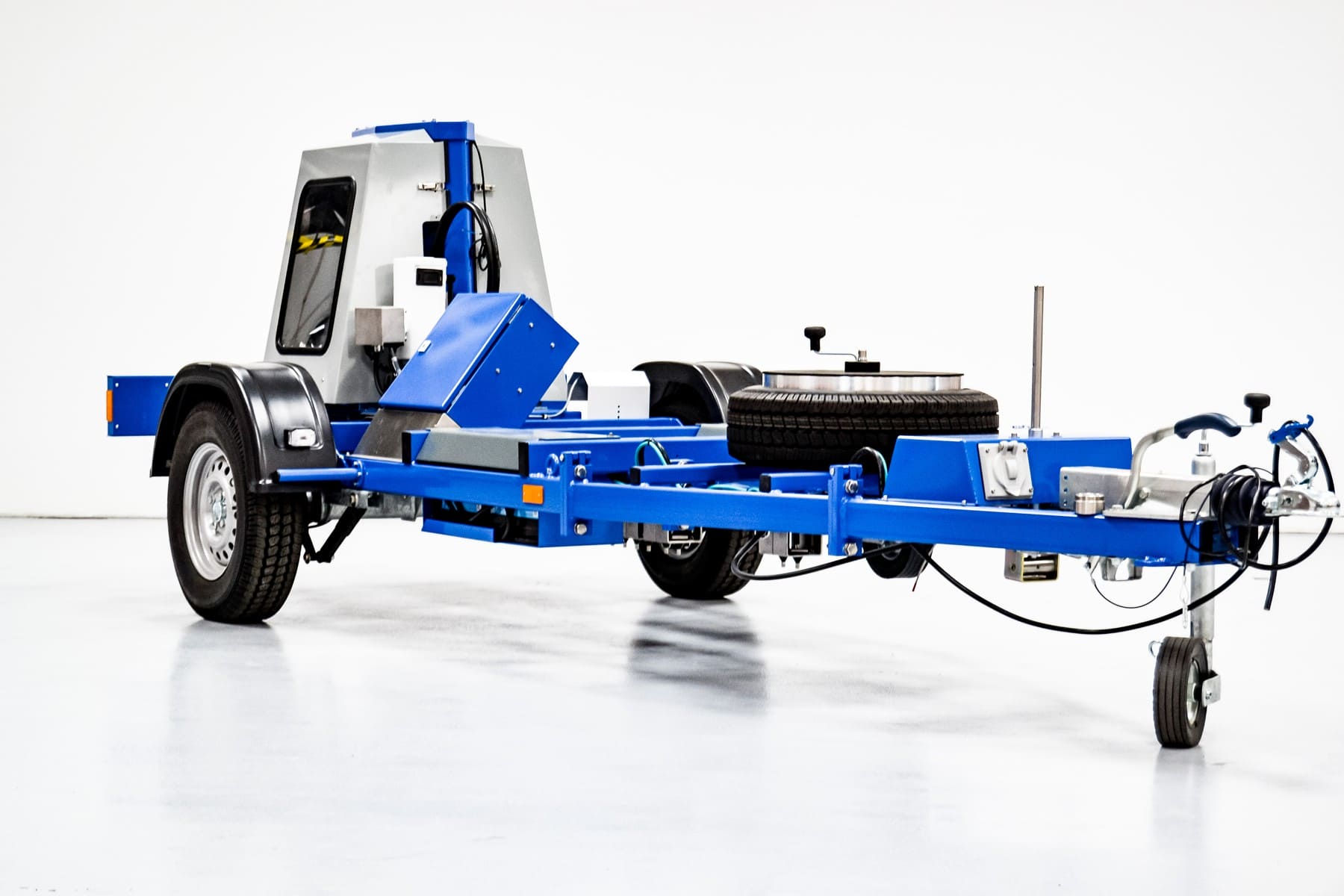
Identify tow vehicles, trailers, mobile testing units and other equipment used for the assignment. State ownership, operators and actual use. A specialist trailer can create property, vehicle and operational questions that should not be resolved simply by calling it airport equipment.
Give the relevant commercial auto and aviation insurance advisers the same description. Ask how their actual definitions and exclusions allocate the disclosed use, including transport, loading, testing and movement at the airport. A site location or equipment nickname is not enough to establish a universal policy boundary.
Physical damage to your own testing equipment requires a separate discussion from liability to others. Prepare supported values, ownership and lease documents, accessories and relevant storage locations. A liability limit does not itself establish protection for a damaged instrument, computer or trailer belonging to your company.
If equipment is borrowed or rented, supply the agreement and responsibility dates. Delivery, temporary storage, use and return can begin or end outside the field testing window. Do not assume a rental fee or damage waiver addresses every property interest or liability your business has accepted.
Describe Airside Access Without Treating Insurance as Permission
Explain the work locations, proposed timing, airport relationships and who arranges access. Give the insurer the actual scope and constraints the airport has established. Qualified airport and project personnel must determine operational requirements; this guide does not prescribe clearance, communication or movement procedures.
Obtain the full vendor or contractor insurance schedule before committing to the project. The requirement may involve legal parties, coverage parts and requested endorsements beyond a headline limit. Provide the actual text rather than reducing it to a request for an airport certificate.
Ask which requested terms can be supported by the offered insurance and which remain unresolved. A certificate provides evidence tied to policy terms; it does not authorize airfield access, approve the test program or independently create every contractual right. Keep those decisions and documents distinct.
If the airport changes the work area or the customer adds another site, return the changed facts for review. The same crew and equipment do not make every new assignment identical to the original submission. Do not allow a scheduling deadline to turn a pending question into an assumption of acceptance.
Review Physical Work and Restoration Responsibilities
Describe any sampling, drilling, coring or other physical work the business actually undertakes. Identify who supplies the equipment, who performs the task and who is responsible for subsequent restoration. Do not hide a material physical activity within a submission describing only nondestructive data collection.
Ask about liability for damage to the pavement, related property and property under your control using the actual offered wording. Review relevant exclusions and contractual obligations. The fact that the work is intended to evaluate a pavement does not establish that every resulting damage allegation is insured.
Keep restoring the test location or correcting your own work separate from liability for other alleged damage. A customer may require restoration as part of the original service even when no insured event has occurred. Have counsel review the undertaking and the broker examine the proposed protection.
Identify substances, waste, samples and environmental responsibilities where relevant to the actual work. Qualified personnel should establish applicable handling and disposal requirements. Ask about relevant pollution or environmental exclusions rather than assuming a general airport liability program addresses every cleanup obligation.
Include Laboratories and Specialist Subcontractors
List outside laboratories, survey providers, engineers and other specialists contributing to the assignment. Explain who contracts with each one and what your business retains. A customer may view the final service as one package even when several companies perform different stages.
Provide representative agreements and any insurance evidence you are required to collect. Ask how the proposed policy treats your firm's liability involving subcontracted work and whether the subcontractor itself is an insured. Those are different questions; a certificate from the other company does not automatically answer both.
When the customer directly hires a specialist, describe how your deliverable uses or references its findings. Do not imply your business verified work it merely received. Equally, do not describe yourself as a coordinator only when the contract assigns responsibility for integrating the complete evaluation.
If a provider changes during the project, preserve the updated scope and handoff. Different equipment, methods or reporting responsibilities may need technical review, while changed contractual duties can affect the insurance submission. The work should remain traceable to the actual parties rather than an outdated supplier list.
Read Report Reliance and Performance Promises Carefully
Provide customer contracts, scopes of work, report templates and insurance schedules together. Identify who may rely on the result, how it may be distributed and what conclusions the firm undertakes to provide. A report written for one specific purpose should not be casually described as a guarantee for every future use.
Have qualified counsel review indemnity, limitation, warranty and consequential-loss provisions. The insurance comparison should establish what the actual offer supports and what the business retains. A policy does not expand automatically because the contractor signs a broader promise to an airport or general contractor.
Review deadlines and retesting commitments separately. A missed access window, customer schedule change and insured property event can lead to different financial consequences. Insurance should not be sold internally as a guarantee that every delay expense or project penalty will be reimbursed.
For requested additional insured or other evidence, identify the precise parties and coverage part. Confirm accepted endorsements rather than assuming a certificate holder designation provides identical protection. Keep unresolved requirements visible before the project team represents that the complete agreement has been satisfied.
Test a Fictional Location Reference Dispute
Imagine a testing contractor collecting pavement measurements and sending selected samples to an outside laboratory. A later customer review identifies a possible mismatch between one location reference and the corresponding laboratory result. The customer asks the firm to repeat work and pay associated project expenses. This is a fictional administrative example, not a BWI claim or a technical finding.
The factual review would need the field identifiers, sample records, laboratory instructions, source data and report versions. It would distinguish a possible association error from an established defect in the pavement. Qualified project personnel must assess the technical implications; the insurance inquiry should preserve those distinctions.
The coverage review would require the actual allegation, contract and relevant forms. Repeating the contractor's work, paying another firm's costs and liability for alleged resulting damage are separate matters. One project history does not establish an identical policy response for every amount the customer requests.
Use the example when preparing terms to check whether your submission includes sample handling, outside laboratory work and final report assembly. If those services form part of the customer's purchase, make them visible. A professional service description should match the responsibility accepted, with any limitations accurately documented.
Explain Equipment Records and Customer Data Handoffs
Describe the records your business maintains about instrument identity, condition, calibration or outside service where relevant. Qualified technical personnel must establish the required controls. The insurance submission should state actual practices and identify which company provides any outside equipment service rather than claiming a universal certification for every measurement.
Identify whether the customer receives raw data, a processed file, an interpreted report or several outputs. Explain who controls the final conversion and upload. If your staff enter findings into a customer pavement management system, disclose that continuing data service; it can be more than delivering a signed report.
Ask how professional liability and cyber or technology restrictions relate to those tasks. A measurement error, deletion of a project file and unauthorized access are different events. Keep original and delivered versions identifiable so a later review can determine what your company supplied and what another party subsequently changed.
Prepare for Interruption and Changes in the Testing Business
Explain dependencies that could affect restoration after damage to specialist equipment. A rented replacement, outside repair provider or software setup may be relevant to the property discussion. Ask what triggers any business income or extra expense protection and how limits, waiting periods and conditions apply.
A broken instrument, ordinary wear, unavailable access window and customer cancellation should not be treated as one insured interruption by assumption. Keep commercial continuity arrangements clear independently of the insurance. Obtain the appropriate claim guidance before committing to costs on the expectation of reimbursement.
Disclose planned expansion into additional testing, interpretation, design or construction services. The same vehicle or client base does not make those activities identical to the work initially submitted. Update the review before the new service is represented as accepted under the existing program.
When changing insurers or ending a service, review relevant triggers, dates, reporting and treatment of prior work. Preserve historical policies and project records. An evaluation report delivered earlier can become relevant to a later allegation, so a current certificate alone may not explain the applicable history.
Request an Airfield Testing Insurance Review With BWI
Bring the service description, field and laboratory roles, locations, contracts, report examples, equipment schedules and supported values. Explain aviation use, subcontractors, physical sampling, customer property and any engineering conclusions your company supplies. Include current policies and the activity and complaint information requested for an established business.
Start a commercial aviation quote review with BWI or call 866 788 6291. Ask whether suitable options can be considered for the actual airfield pavement testing work. Compare the final accepted services, insured parties, exclusions, endorsements and effective dates before relying on protection or representing that a project requirement is met.
Sources and further reading
Continue Reading


