
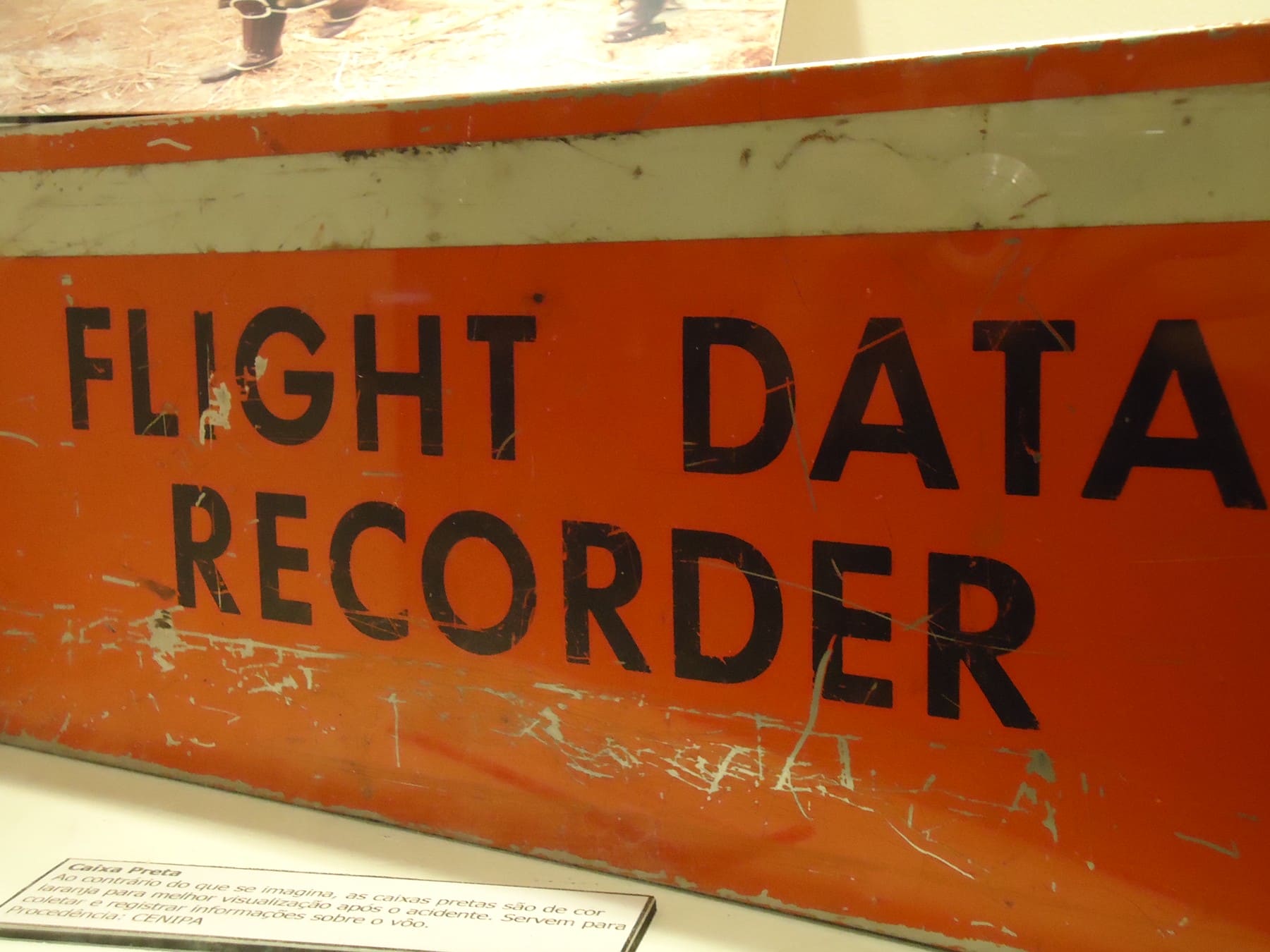
A flight-data business should define the analysis, report or alert it supplies and the users who rely on it. Data preparation and an operational decision are different responsibilities to describe.
Explain inputs and output limits
Identify the data sources, missing information and assumptions. Describe mapping, configurations and version changes. State what the report or alert promises to do and what remains with the customer. Ask about allegations of financial loss as well as incidents involving physical damage.
Describe systems and access
Explain hosting providers, analytical partners, hardware access and work around aircraft. Include data permissions and confidentiality duties. Raise service interruption and historical access needs directly. A technology policy label does not establish that each concern is covered.
Review alerts and customer commitments
Send contracts, response promises and reliance provisions for review. Keep final reports, versions and corrections traceable. Identify which customer changes should trigger a new review so the insurer’s description remains aligned with the service delivered.
Prepare the BWI review
Gather the service description, locations, property values, staff roles, agreements, current policies and factual claims history. Explain proposed changes and the date they will start.
Compare the actual limits, deductibles, exclusions, insured parties and activities. Ask which requested terms are accepted and what remains outstanding. Keep the final documents and reporting instructions with the business records.
Request a commercial aviation insurance review from BWI for the operation described above. Availability and terms require an individual review.
Continue Reading

