
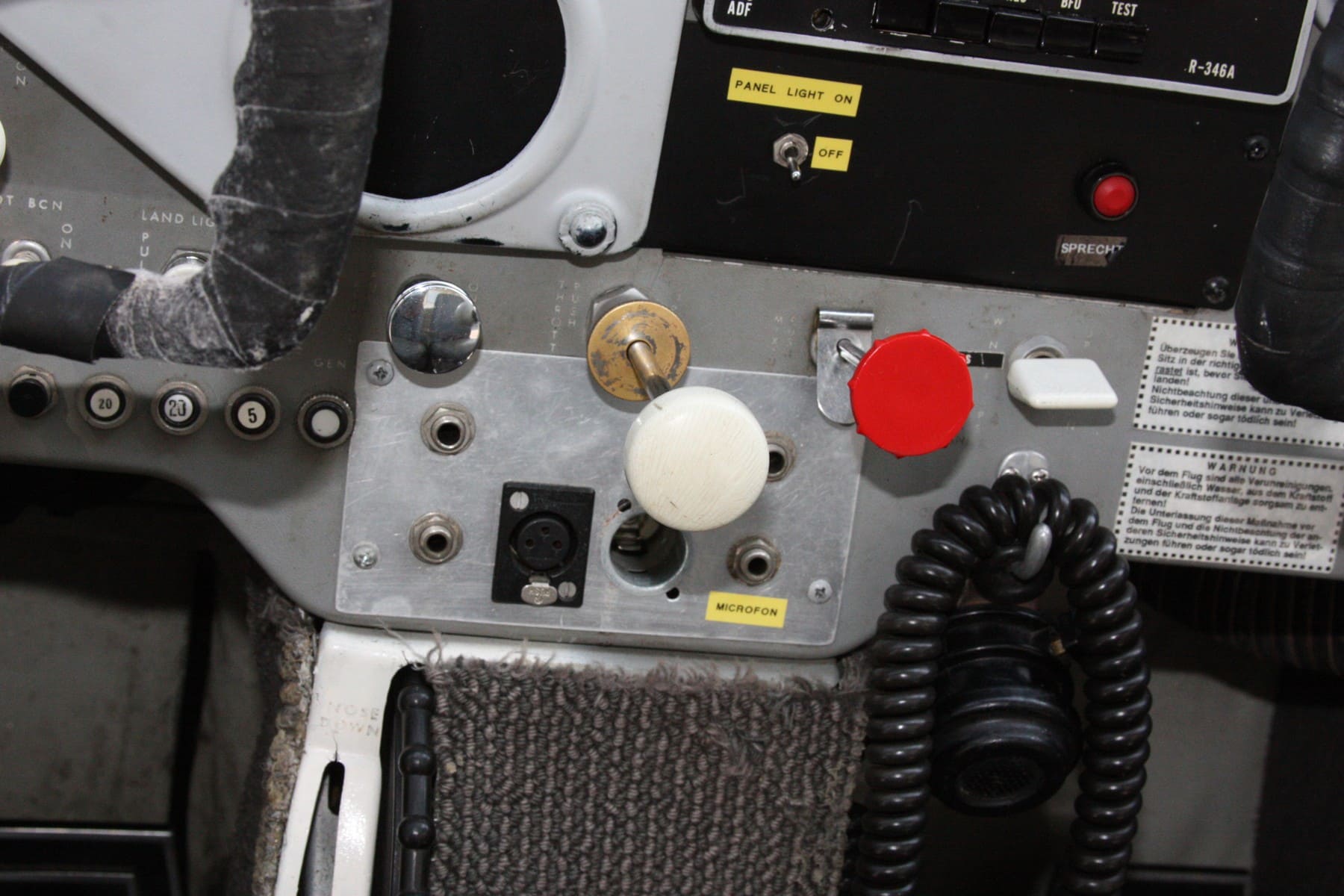
A designated pilot examiner should describe examination work separately from flight instruction. Aircraft ownership, access and the examiner’s business structure affect the insurance questions to ask.
Define the examiner’s role
Identify the individual, business entity and services provided. Describe examinations, instruction and any consulting as separate activities. Explain who owns the aircraft used for each service and who gives permission to use it. Provide agreements and the expected frequency of work.
Review aircraft and professional claims
Ask about injury, aircraft damage and allegations involving an examination decision separately. Permission to use an aircraft does not establish protection under its owner’s policy. Review non-owned aircraft terms, professional services provisions and exclusions against the actual role. Avoid relying only on a certificate of insurance.
Keep current evidence
Provide experience records, aircraft details, customer terms and existing policies. If the examiner starts using another aircraft or offering another service, request an updated review. For example, adding instruction after a test changes the activity being performed. Keep incident reporting instructions with the current insurance documents.
Prepare the BWI review
Gather the service description, locations, property values, staff roles, agreements, current policies and factual claims history. Explain proposed changes and the date they will start.
Compare the actual limits, deductibles, exclusions, insured parties and activities. Ask which requested terms are accepted and what remains outstanding. Keep the final documents and reporting instructions with the business records.
Request a commercial aviation insurance review from BWI for the operation described above. Availability and terms require an individual review.
Continue Reading

