

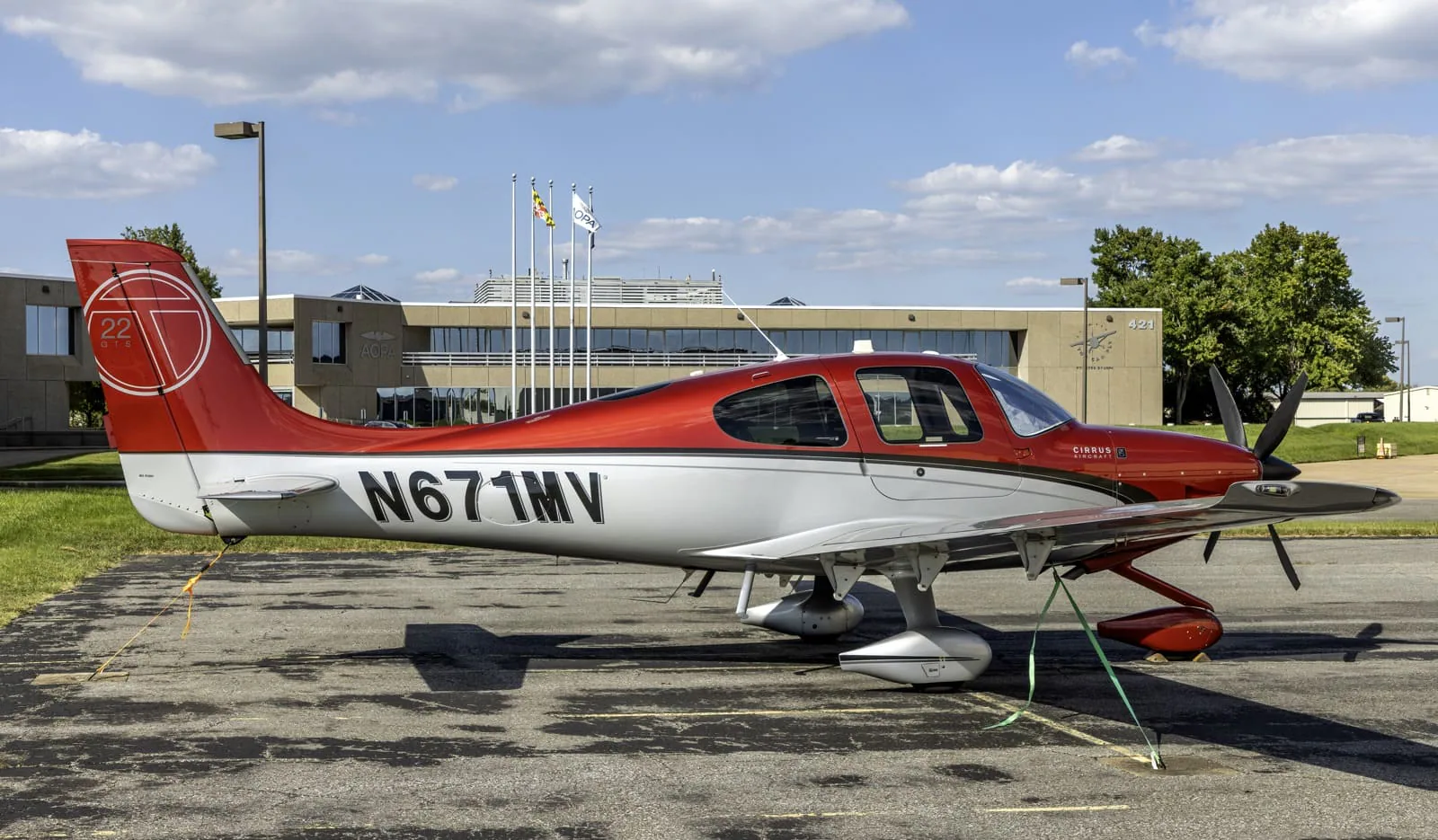
Moving from an SR20 to an SR22T calls for an insurance plan covering the purchase, training and sale of the existing aircraft. Start by telling BWI which SR22T you are considering, who will fly it and whether you will still own or operate the SR20 after closing. The objective is to coordinate the two aircraft around their actual ownership dates and uses.
An owner may assume the transaction is a simple policy substitution because both airplanes are Cirrus products. That assumption can miss a period when both aircraft remain in the owner’s care, different pilots are using them or training in the new aircraft has not been completed. Describe those stages before deciding when to remove the SR20 or begin relying on coverage for the SR22T.
This guide focuses on the handover between aircraft. BWI’s existing SR22 transition guide addresses the broader pilot transition discussion. Here, the practical task is to organize the information and confirmations needed when one Cirrus purchase overlaps another Cirrus sale. Request a Cirrus insurance quote from BWI before fixing the closing and delivery sequence, and include the details of both aircraft.
Start with the actual ownership timeline
Create two aircraft entries with their own registrations, owners, expected transfer dates and intended use. Identify the SR22T purchase and SR20 sale separately, including which dates depend on another buyer, inspection or financing. Do not use a single replacement date when both airplanes may remain owned and flying. The insurance team needs the possible overlap even if escrow expects the transactions to close in the same week.
Add possession, location and custody to each aircraft’s timeline. The SR22T may remain with its seller pending instruction while the SR20 is held by a sales broker at another airport. Have qualified transaction advisers establish the contractual responsibilities, and give BWI those resulting facts. A payment date, key handoff and ownership transfer can describe different stages; the file should not select one convenient date to stand for all of them.
Use the earliest realistic dates when opening the discussion, then update them as the transaction develops. Do not represent an expected transfer as a completed sale. Ask what confirmation is needed before changes take effect and keep that response with the purchase records. A clear timeline allows the insurance team to discuss the arrangement you may actually need, including an overlap that lasts longer than expected.
Describe the SR22T being purchased
Provide the registration, year, proposed ownership name, equipment information and requested insured value for the specific SR22T. Include the aircraft’s location and intended base. If you are still comparing candidates, label each one separately. Terms discussed for one airplane should not be assumed to follow a different registration, value or configuration without review.
Use the aircraft records to resolve model descriptions. An SR22T and an SR22 with a modified configuration should not be merged into one description simply because both appear in a search for turbocharged Cirrus aircraft. Ask qualified advisers to clarify any uncertainty and provide accurate information when requested for the submission. This guide does not determine the technical identity of a particular airplane.
Cirrus’s official SR Series information can help a buyer begin researching the models, but current product descriptions are not a substitute for the records of a used aircraft. Explain upgrades already installed and distinguish work planned after purchase. If the airplane will go directly to a shop before instruction, include that fact in the timeline so the insurance discussion reflects the sequence.
Present SR20 experience without assuming SR22T approval
Give BWI the pilot experience categories requested for the application, including recent flying and relevant aircraft experience. Describe SR20 time accurately rather than recategorizing it as SR22T time. The insurer can consider the full background, but the owner should not decide that familiarity with the Cirrus cabin automatically satisfies the proposed pilot conditions for another aircraft.
Explain who else may operate the replacement. A spouse who flies the SR20, an instructor, a professional delivery pilot and a coowner may each need a separate review. List the intended role and first activity for each person. An existing approval or arrangement involving the SR20 does not establish the position of every person under the proposed SR22T coverage.
Ask for the offered terms early enough to plan instruction sensibly. Do not book a return trip on the assumption that a particular number of hours or a prior course will be accepted. The useful answer is the condition applicable to the actual pilot and aircraft submission. Keep pending information visible so an early conversation is not later mistaken for completed underwriting.
Coordinate transition training with aircraft availability
Discuss the proposed training provider, aircraft and schedule with BWI. Ask what evidence the insurer requires and what must be completed before the operation you intend to make. The training provider should understand the pilot’s previous SR20 experience and the SR22T configuration being purchased. The insurance team needs the resulting plan in the form requested for the submission.
Aircraft availability can complicate an otherwise straightforward upgrade. The SR22T may remain at the seller’s airport while the instructor is based elsewhere, or a service appointment may postpone training. Describe any relocation flight and its pilot separately. Do not assume a flight made to reach the training location is automatically covered because a course has been reserved there.
If you plan to investigate a manufacturer training benefit, confirm current eligibility directly with the program administrator and review insurance conditions separately. The official Cirrus training network is a useful starting resource. A training benefit, an instructor’s availability and an insurer’s acceptance answer different questions. Keep the purchase schedule flexible until the relevant confirmations are in place.
Compare the stages of the upgrade
The following table helps keep the two aircraft and their intended uses visible during the transaction. It identifies questions for discussion rather than prescribing a particular policy structure. Ask BWI how the available terms would address your dates and activities, and retain the actual documents confirming any arrangement selected.
| Upgrade stage | Insurance review question |
|---|---|
| Before purchase | Which aircraft, owner, value and pilots are proposed |
| Both aircraft owned | How each airplane will be used during the overlap |
| SR22T delivery | Who operates the aircraft and for what purpose |
| Transition instruction | Which policy conditions and evidence apply |
| SR20 demonstrations | Who flies and what activity is proposed |
| SR20 sale completed | Which change is confirmed and when it takes effect |
Ask about the period when both aircraft remain yours
Describe both aircraft during the overlap: which remains in use, which is being demonstrated, who may fly each and where each is held. Ask BWI how the actual proposed terms can address those facts before removing either entry. The replacement quote alone is not confirmation of the SR20’s continuing position, and a sales advertisement does not establish that its ownership or use has ended.
A multi-aircraft discussion is not a promise of a discount or a particular policy format. Ask what is available, how each aircraft would be described and what the proposed terms require. Keep the requested insured value and use of each airplane clear. A quote for the replacement alone does not explain what remains in force for the existing aircraft.
Budget for the period in which the old aircraft remains yours if its sale is delayed. Keep its insurance and custody questions visible alongside the replacement’s training plan. A deposit on the SR20 or an expected closing date should not become an unconfirmed removal instruction. Ask which accepted change establishes the effective action, and update the real dates before relying on a plan prepared for a shorter overlap.
Describe demonstrations and buyer activity on the SR20
Identify who proposes to fly the SR20 for a buyer demonstration, inspection-related movement or checkout. Those can be separate activities from the seller’s normal flying. Describe the aircraft, pilot, purpose and actual agreement; do not assume that the seller’s permission resolves the policy conditions. If a sales broker or instructor arranges the flight, identify that role rather than treating the person holding the keys as the insured owner.
If a prospective buyer wants instruction or a checkout, describe that separately from an owner’s demonstration. Do not relabel the activity to fit a familiar category. Give the broker the facts and ask about the conditions affecting the proposed flight. The transaction adviser and instructor may also have their own responsibilities to review before anyone commits to the arrangement.
Keep a current contact record if the aircraft moves to a broker or another airport for sale. Notify BWI of changes relevant to the coverage and ask what documents should be retained. A change in who holds the keys can accompany changes in custody, storage and flying. Those details should remain visible even while the owner’s attention is focused on the new SR22T.
Compare aircraft values and liability requests
Review the requested insured values for both aircraft independently. Explain the basis for each value and provide equipment information or other records requested. The SR22T purchase price does not automatically establish how the SR20 should remain insured while it is for sale. Likewise, maintenance reserves and transaction costs should not be assumed to represent installed aircraft value.
Use the upgrade as an opportunity to discuss the liability coverage requested for the future operation. Explain any change in passengers, travel or ownership structure. Ask BWI to explain the proposed limits, restrictions, deductibles and other material terms. A familiar limit shown on the old policy should be reviewed against the new proposal instead of copied without discussion.
If the new aircraft is financed, provide the lender’s written insurance requirements. Ask what documentation can be arranged under the offered terms and when it is needed for closing. The lender’s interest, the owner entity and the pilots have different roles. Avoid requesting an insurance designation by habit when the underlying requirement has not been examined.
Keep delivery and first personal use separate
Give the SR22T’s first operator and purpose independently of the SR20 schedule. A hired delivery pilot may relocate it before the buyer trains, while another person demonstrates the SR20 elsewhere. The two flights need their own facts and policy responses even if arranged on the same day. Keep the owner’s later personal trip visibly separate from delivery or instruction acceptance.
Confirm the status of coverage before the proposed effective date and keep the binding confirmation requested by BWI. An application or quotation alone should not be treated as evidence that the intended arrangement is already in effect. Review any conditions still outstanding and ask how they affect the planned operation before the pilot travels to collect the airplane.
After instruction, submit the completion evidence required for the insurance file and obtain any applicable confirmation before the next stage. If the aircraft, instructor or operating plan changes, revisit the earlier review. A response based on a named delivery pilot or a particular training arrangement is not automatically a response to a different plan.
Remove the SR20 only after reviewing the real change
When the SR20 transaction closes, give BWI accurate transfer information and explain any continuing responsibilities or access. Ask how the coverage should change and what record confirms the effective action. Do not assume a sale email, registration filing or handover of keys independently updates the insurance contract. Retain the relevant transaction and insurance records together.
If you intend to fly the SR20 after the sale, disclose that plan before the transfer. The fact that you previously owned and insured it does not establish your position under the buyer’s arrangements. Ask about the actual future role and obtain appropriate advice rather than assuming the former owner can continue flying on the same basis.
Do not erase the old policy file when the aircraft leaves. Keep policies, endorsements, transaction records and other relevant documents organized according to appropriate advice. BWI’s existing guide to insurance records after selling an airplane addresses that separate recordkeeping question. The upgrade file should show what changed, when it changed and which aircraft remained insured under each arrangement.
Update the plan when a closing slips
If the SR20 buyer postpones closing, identify the extra ownership period, expected demonstrations and storage arrangement. Confirm what happened to any removal instruction already submitted. An internal calendar edit does not establish that the insurance contact has received or accepted the revision. Preserve the actual response, including any unchanged or revised effective date, beside the two-aircraft timeline.
If the SR22T purchase slips, revisit its proposed effective date, delivery pilot and training reservation without assuming the SR20 sale will move with it. The existing aircraft’s buyer may still expect possession on the original date. Explain both transactions accurately so the relevant parties can address their separate decisions. A coordinated plan can still contain two different timelines and unresolved conditions.
Keep one current version of the timeline and distribute it to the people coordinating the transaction. A buyer, instructor and broker working from different dates can each believe a task is complete when it is still pending. Clear communication is especially useful when the seller of the replacement and buyer of the existing aircraft are unrelated parties.
Consider a fictional two aircraft handover
Imagine a fictional SR20 owner buying a used SR22T before the SR20 sale is final. The owner intends to train in the replacement while continuing occasional SR20 flights. The first insurance request mentions only the SR22T. During the review, the owner explains the overlap and provides the two registrations, proposed values and separate operating plans.
BWI can then discuss the available insurance arrangements using the actual timeline. The owner also identifies the proposed instructor and tells the team that a different pilot may relocate the SR22T. When the SR20 buyer postpones closing, the owner updates the plan before relying on the previously discussed removal date. The file reflects the delay rather than the original estimate.
This example illustrates coordination, not a promised underwriting outcome. It does not establish that two aircraft will be placed on one policy, that a discount is available or that a pilot will be approved. Its purpose is to show how aircraft identity, dates and activities belong in the conversation before a policy change is treated as complete.
Prepare the first renewal after the upgrade
Preserve the SR22T purchase and training records so the first renewal reflects the aircraft you now operate. Update experience in the categories requested and explain any changes in pilots, location or use. Do not let an application prepared for the earlier purchase become the default description after the flying arrangement has evolved.
Review installed equipment and the requested insured value again if work was completed after closing. Keep invoices and technical records available where relevant. A service facility’s records do not automatically update the insurance file. Give BWI the information needed to discuss whether the policy description or value request requires attention.
Also remove obsolete assumptions from the shared planning record. If the SR20 has been sold and the professional delivery pilot has no continuing role, make the current situation clear. Accurate renewal information should describe the operation ahead rather than repeat every temporary feature of the purchase process as though it still exists.
Frequently asked questions about an SR20 to SR22T upgrade
Can I simply replace the aircraft on my policy
Ask BWI about the actual purchase and sale dates before choosing the change. A temporary period with both aircraft may require a different discussion from a same day handover. Provide the registrations, intended uses and pilots so the proposed arrangement addresses the facts rather than the word replacement alone.
Does SR20 time count as SR22T experience
Report experience according to the categories requested on the application. Describe your SR20 background accurately and ask about the offered SR22T pilot conditions. Do not recategorize time or assume that familiarity with the manufacturer establishes approval for the new aircraft. The insurer needs the relevant facts to consider your submission.
Can I keep flying the SR20 while training in the replacement
Describe both activities and ask how the proposed insurance arrangements address them. Confirm the aircraft, pilots and dates involved, including any restrictions that remain outstanding. Ownership overlap and training progress are separate questions, and neither should be assumed resolved because the replacement quote has been received.
What if the old aircraft takes longer to sell
Update BWI before relying on a proposed coverage change. Explain the revised ownership period, location and expected flying or demonstrations. Ask what further confirmation is needed and keep the response with the transaction record. A delay should be reflected in the insurance discussion rather than left as an internal planning change.
Get a Cirrus upgrade insurance quote from BWI
Bring BWI the SR20 you currently own and the SR22T you intend to purchase, including their registrations, requested values and expected transaction dates. Add the pilot roster, training proposal and first flight sequence. Identify any overlap or uncertainty so the review can address the period between the two transactions.
Request a Cirrus insurance quote from BWI before committing to the handover schedule. Review the offered coverage and conditions for the aircraft and activities actually planned. Keep the timeline current through closing, training and the SR20 sale so the insurance changes follow the ownership changes you complete.
Continue Reading


