
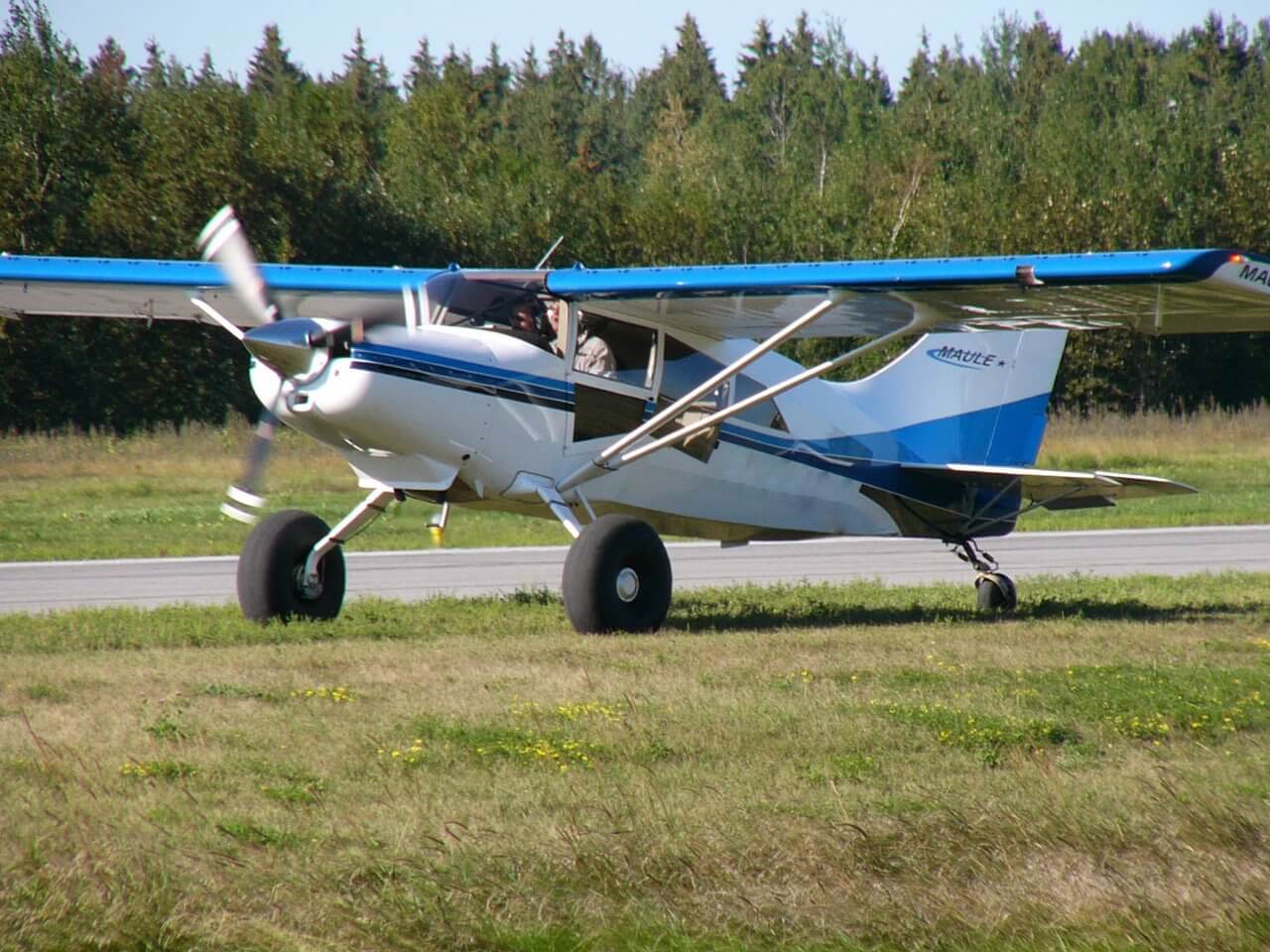
A family member offers to lend you an airplane. Permission may be easy to arrange, but the insurance question can be less obvious. Some nonowned aircraft definitions address family ownership or related entities, so an airplane you do not personally own may still fall outside the definition in a particular policy.
Start by disclosing the exact relationship, aircraft owner and planned use. At BWI, we help pilots organize those facts before relying on renters coverage. Get a renters insurance quote from BWI and tell us that the aircraft belongs to a family member rather than describing it only as borrowed.
Identify the Legal Owner and Family Relationship
Obtain the registered owner name and explain how it relates to you. The aircraft may belong directly to a parent, spouse, sibling or other relative, or to an entity involving family members. Identify any ownership interest you hold as well.
Do not assume that using an LLC name removes the family relationship from the insurance review. Provide the actual ownership facts and relevant documents. A policy can define nonowned aircraft using more than the name printed on the registration.
Also identify whether the loan is occasional or gives you continuing access or possession. Duration and control can be relevant under the actual wording. Avoid describing a long standing arrangement as a one day favor merely because the next flight is short.
Read the Nonowned Definition Before Looking at Limits
Check whether the particular policy accepts the aircraft ownership and relationship. A high limit does not help if the aircraft does not meet the contract definition. Eligibility should come before a comparison of premium or damage limits.
The Avemco renter specimen expressly addresses specified family and entity ownership within its nonowned definition. That is one product example and not a universal exclusion or BWI term. The actual policy being considered needs its own review.
Ask for an answer tied to your precise facts. Different relationships and ownership arrangements should not be collapsed into a blanket statement that all relatives aircraft are covered or all are excluded. Retain the applicable wording and accepted response.
Use a Family Loan Responsibility Conversation
A practical discussion can be direct without becoming adversarial. The table identifies questions to settle before the flight, not promises of coverage or legal liability.
| Topic | Question for the family owner | Insurance review point |
|---|---|---|
| Permission | Who may fly and for what purpose | Owner policy pilot and use conditions |
| Ownership | Who legally owns the aircraft and related entity | Personal nonowned eligibility |
| Damage | What does each person expect if damage occurs | Actual policy and any agreement reviewed separately |
| Deductible and other costs | What costs are expected from the borrower | Do not assume responsibility stops at one figure |
| Access and possession | How often and for how long is it available | Relevant duration and control definitions |
| Other participants | Will passengers or an instructor be aboard | Actual activity and roles disclosed |
| Reporting | Who contacts insurers and preserves records | Clear claim and evidence process |
Review the Owner Policy Position
Ask the owner to confirm the applicable pilot conditions and permitted use with the actual policy available. Being a relative does not independently establish acceptance as a pilot. Provide relevant experience and training information where required.
Then ask what protection the owner's policy provides to you. Permission to operate and insured status are different questions. Do not assume an open pilot provision gives the borrower every liability protection the owner has.
If a policy change is requested, retain the accepted terms rather than relying on an informal assurance that the family has always flown this way. The arrangement should be understood before the first flight for which you expect protection.
Review the Borrower Protection Separately
If personal nonowned coverage is proposed, disclose the aircraft type use relationship and ownership before relying on it. Ask whether an endorsement or different arrangement is needed and available. Do not hide a family connection to obtain an ordinary renters quote.
Review aircraft damage separately from liability involving others. An arrangement addressing the owner deductible may not answer passenger or third party liability questions, and a liability limit does not necessarily establish coverage for damage to the borrowed aircraft.
If existing coverage does not fit, identify the actual alternative with the appropriate insurance professionals. Do not assume a second standard renters policy or higher limit automatically solves an ownership definition issue.
Clarify Reimbursement and Intended Use
Explain whether the borrower will pay for fuel operating expenses a rental charge or other costs. Those facts can affect the legal and insurance description of the arrangement. Obtain qualified regulatory advice where needed rather than assuming a family loan permits every payment structure.
Likewise, identify business travel instruction demonstration or other activities beyond an ordinary personal flight. The owner permission is not regulatory authority, and an insurance quote does not independently authorize an operation.
Keep the agreement factual. If the family simply shares expenses under an accepted arrangement, describe it accurately. If the aircraft is rented or leased, do not call it borrowed solely because the owner is a relative.
Put Expectations About Damage in Writing
A brief written understanding can identify the aircraft permitted use reporting contacts and expectations about costs. Have qualified legal counsel address obligations or waivers if needed. The document should not be treated as a substitute for insurance.
Avoid a promise that the borrower will only ever owe the deductible unless that conclusion is supported by the actual agreements and relevant advice. Owner costs potential insurer rights and third party allegations can raise different issues.
Also avoid assuming an agreement not to pursue a family member changes an insurer rights. Provide any proposed waiver or release for review before signing. A personal understanding between relatives may not answer every policy question after a loss.
Plan the Claim Conversation Before It Is Needed
Agree whom to contact after damage an allegation or another event requiring notice. Keep the relevant policy information accessible. The borrower should know how to reach the owner and the appropriate insurer or broker without relying on a family group message.
Preserve facts and evidence and follow the applicable reporting instructions. Do not agree to a private repair payment or release on the assumption that keeping the event within the family removes policy duties.
The EAA nonowned insurance overview discusses borrowed aircraft as a category for review. That general category does not resolve the family ownership definition in the particular policy you may use.
A Hypothetical Parent Owned Aircraft
Imagine a pilot borrowing an airplane registered to a company owned by a parent. The pilot has no direct ownership and assumes a personal renters policy applies because the registration does not show the parent name. This is an illustrative example, not a coverage result.
The pilot supplies the entity ownership and family relationship for review. The owner's policy pilot and insured status questions are considered separately from the borrower personal policy eligibility. The parties also identify the expected use and access period.
If the arrangement later becomes a continuing lease, the review is updated before relying on the earlier occasional loan description. The insurance answer follows the actual relationship rather than the label the family prefers.
Update the Review When the Relationship Changes
A change in ownership marriage inheritance entity participation or access can affect the facts previously supplied. Do not assume an earlier acceptance remains suitable for an arrangement that has materially changed.
If the borrower later acquires a share, disclose it before treating the aircraft as nonowned. If the owner sells to another entity or another family member, provide the updated structure. The policy definitions should be reviewed against the current facts.
Our aircraft renters insurance page provides broader product context. For family borrowing, the ownership and relationship details deserve attention before the ordinary coverage comparison begins.
Family Aircraft Borrowing Checklist
- Identify the registered owner and underlying family or entity ownership.
- Disclose any direct or indirect borrower interest.
- Describe permission use duration and possession accurately.
- Review the owner pilot conditions and borrower insured status.
- Review personal nonowned eligibility before selecting limits.
- Separate aircraft damage other liability and cost expectations.
- Provide proposed waivers agreements and reimbursement details for review.
- Update the arrangement when ownership or access changes.
Frequently Asked Questions
Is My Parent's Airplane Automatically Nonowned for Me?
Do not assume that personal nonownership satisfies the policy definition. Some contracts address family or related entity ownership. Disclose the exact relationship and review the actual wording before relying on coverage.
Does an LLC Owner Avoid the Family Question?
The entity name alone does not resolve it. Provide the underlying ownership and your relationship or interest. The relevant definitions may consider more than the registered owner name.
Am I Covered Because the Owner Lets Me Fly?
Permission and protection are different questions. Review pilot acceptance and insured status under the owner's policy, then evaluate any personal nonowned protection separately. Do not infer all answers from the owner consent.
Can We Agree That I Only Pay the Deductible?
Have the actual agreement and insurance interaction reviewed before relying on that limitation. A private understanding may not resolve every insurer or third party right. Keep expectations clear without promising a universal outcome.
Does Paying for Fuel Change the Review?
Describe all payments and the actual use accurately. Obtain qualified regulatory and insurance guidance for the arrangement. Do not assume a family relationship makes every reimbursement structure acceptable or automatically insured.
What If I Later Buy a Share?
Report the ownership change before relying on the earlier arrangement. A policy reviewed for borrowing may not fit ownership. The appropriate placement should reflect the new interest and actual use.
Get a Quote From BWI Before Borrowing a Family Aircraft
At BWI, we help pilots organize nonowned aircraft insurance requests around the aircraft ownership and use. Bring the exact family relationship, registered owner, underlying entity details and expected access arrangement.
Include any current policy and written loan or cost agreement so the review can distinguish owner's protection from borrower protection. An accurate description is more useful than assuming the aircraft qualifies because no rental fee is charged.
Get a renters insurance quote from BWI or call 866 788 6291. Tell us that the airplane belongs to a family member so the eligibility question is addressed before the flight.
Continue Reading