
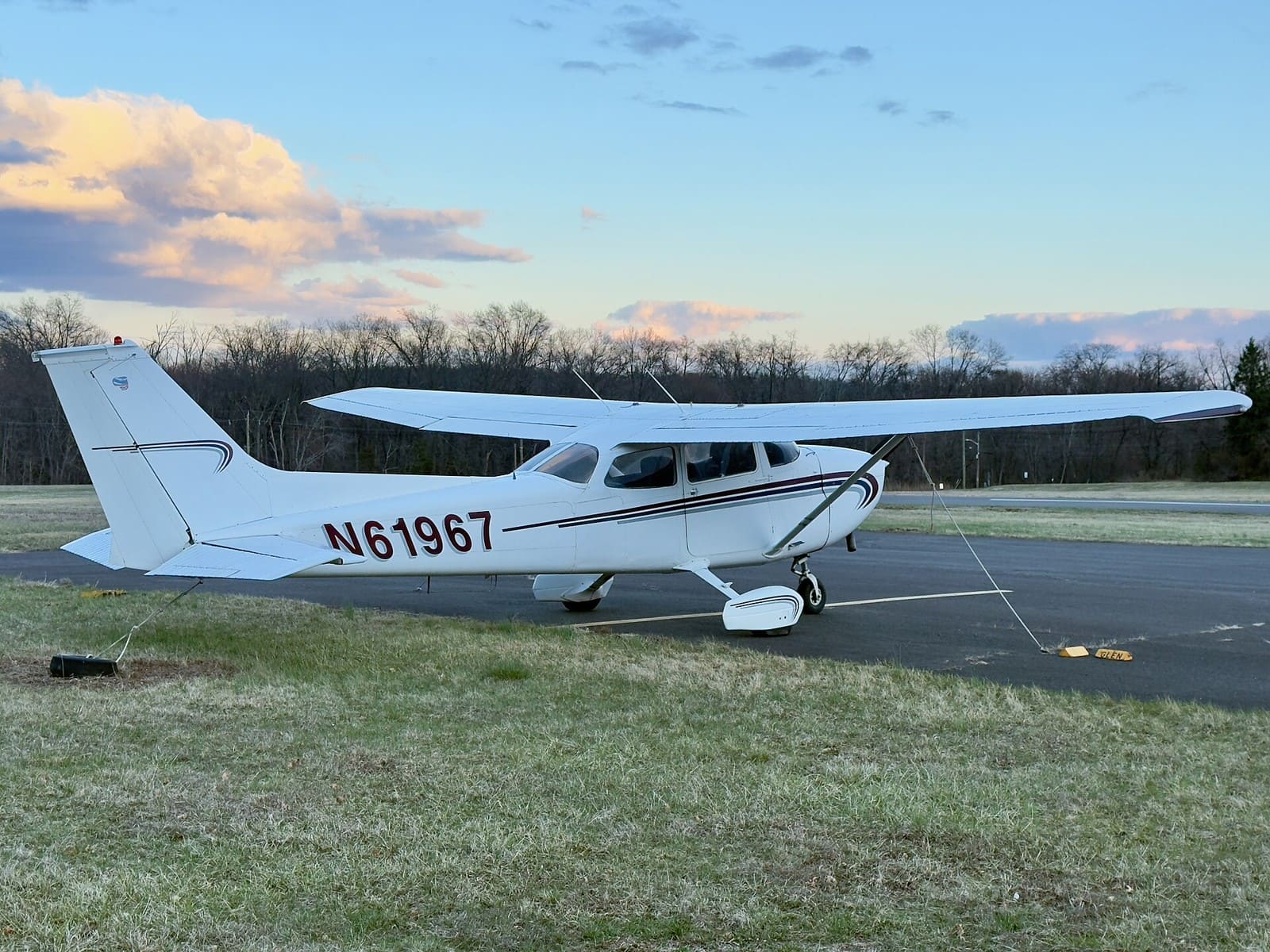
A private airstrip can involve a landowner, operator, tenants and visiting aircraft. Explain ownership, access and actual services before comparing insurance.
Map the premises and access
Identify the landowner, operator and permitted users. Describe physical premises using factual records and explain guest or shared-use arrangements. A family strip adding a tenant introduces a new relationship even if the runway remains unchanged.
Separate property and aviation interests
Review premises liability separately from aircraft protection. List buildings, contents, tenants, fuel storage and other services. Provide contractor agreements before work begins. Do not assume a property or aviation policy covers every activity occurring at the same address.
Keep the airport file current
Compare proposals using consistent ownership, activity and access facts. Report events, new tenants or changes in services. Keep values, agreements and accepted insurance terms together. Identify reporting contacts and retain factual records if an incident or allegation occurs.
Bring the facts to BWI
Provide the aircraft or equipment details, parties, intended use, dates and relevant agreements. Include current policies and factual loss information where applicable. Keep unanswered questions visible until the appropriate review is complete.
Request an aviation insurance review from BWI. Availability and terms depend on the individual submission and the actual policy wording.
Continue Reading

