
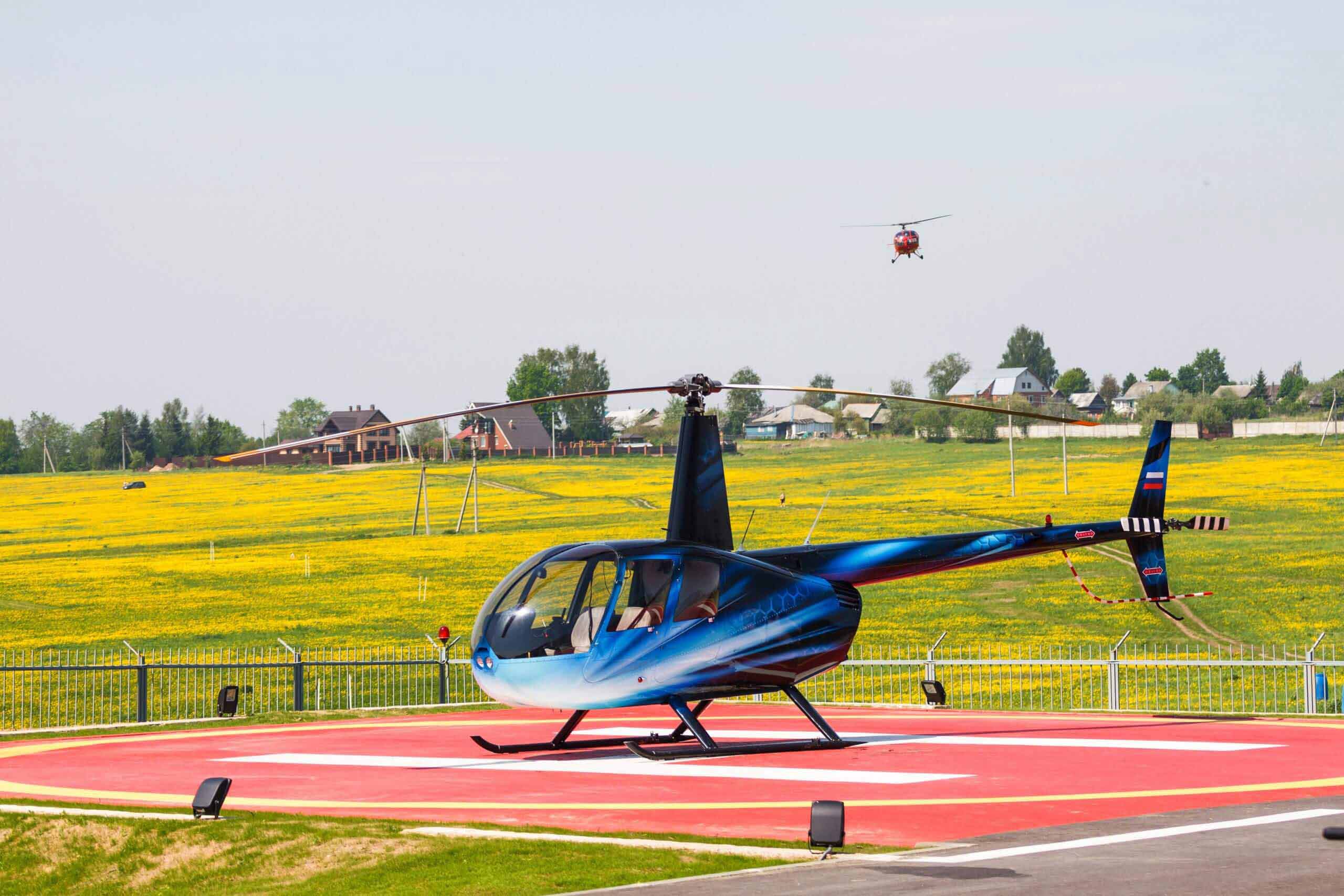
Reviewed October 26, 2026. An R44 used for flight instruction needs an insurance submission that describes the aircraft, school, instructors, students and planned activities accurately. A private-use helicopter quote is not a price or coverage substitute for the instructional operation.
The reviewed quote records do not verify the former client-specific instructional premium examples or support a new comparable R44 flight-school range. This guide focuses on the information and policy questions to resolve for the actual training program.
Describe the training activities and aircraft
Provide the exact aircraft details, equipment, configuration and proposed insured value. Describe dual instruction, student solo, rental, checkrides and any other use being proposed, including non-training work.
Identify who owns and operates the aircraft and explain any leaseback or other arrangement. Ask which entities need to be addressed in the proposed policy and how the permitted-use wording treats the actual activities.
Prepare the instructor and pilot information
Provide the instructor roster and current experience, ratings, training, recent activity and loss information requested for underwriting. Explain how students and other pilots will be considered and how changes in instructors will be handled.
Ask whether pilots must be named, whether an open-pilot provision is offered and what its conditions are. Do not assume such a provision covers every instructor or replaces review of the operation.
Keep regulatory training and insurance approval separate
Robinson R22 and R44 operations have special training and experience requirements under SFAR 73. DOT’s official rule notice describes the 2024 amendment. Confirm the current applicable requirements with qualified training and regulatory resources before operations.
Meeting regulatory requirements does not by itself establish insurance approval. Ask BWI which pilots, instructors, training arrangements and activities are approved under the proposed terms and whether anything remains outstanding.
Compare the proposed coverage
Review hull value, physical-damage coverage basis and deductibles. Compare total liability limits, passenger sublimits, exclusions and endorsements. Ask specifically how the proposal addresses the described dual and solo operations.
Medical payments, non-owned flying, premises exposures, customer aircraft or instructor professional liability should be reviewed separately where relevant. Do not assume the aircraft policy includes every school or instructor exposure.
Check contracts and certificates carefully
Provide lease, lender, airport or other contractual insurance requirements for review. Ask what policy provisions or endorsements are needed. A certificate should not be treated as a substitute for confirming the requested coverage in the policy.
If the aircraft, instructor roster, use or base changes, request review and written confirmation before relying on a policy change. Additional limits, different liability structures or midterm changes depend on the terms actually offered.
Compare annual amounts without promised discounts
Request a proposal for the actual school or instructor operation. Keep full annual premiums separate from fees, financing charges and installment payments. Compare dates, deductibles, pilot conditions and permitted use before interpreting a price difference.
The reviewed data does not establish a universal saving from hangar storage, training, an open-pilot provision or a higher deductible. Ask for the actual revised terms if you want to consider an alternative.
Talk with BWI
Request an aircraft insurance review, call 800-666-4359 or email [email protected]. Requesting a quote does not bind coverage; coverage is not effective until confirmed in writing.
Continue Reading
