

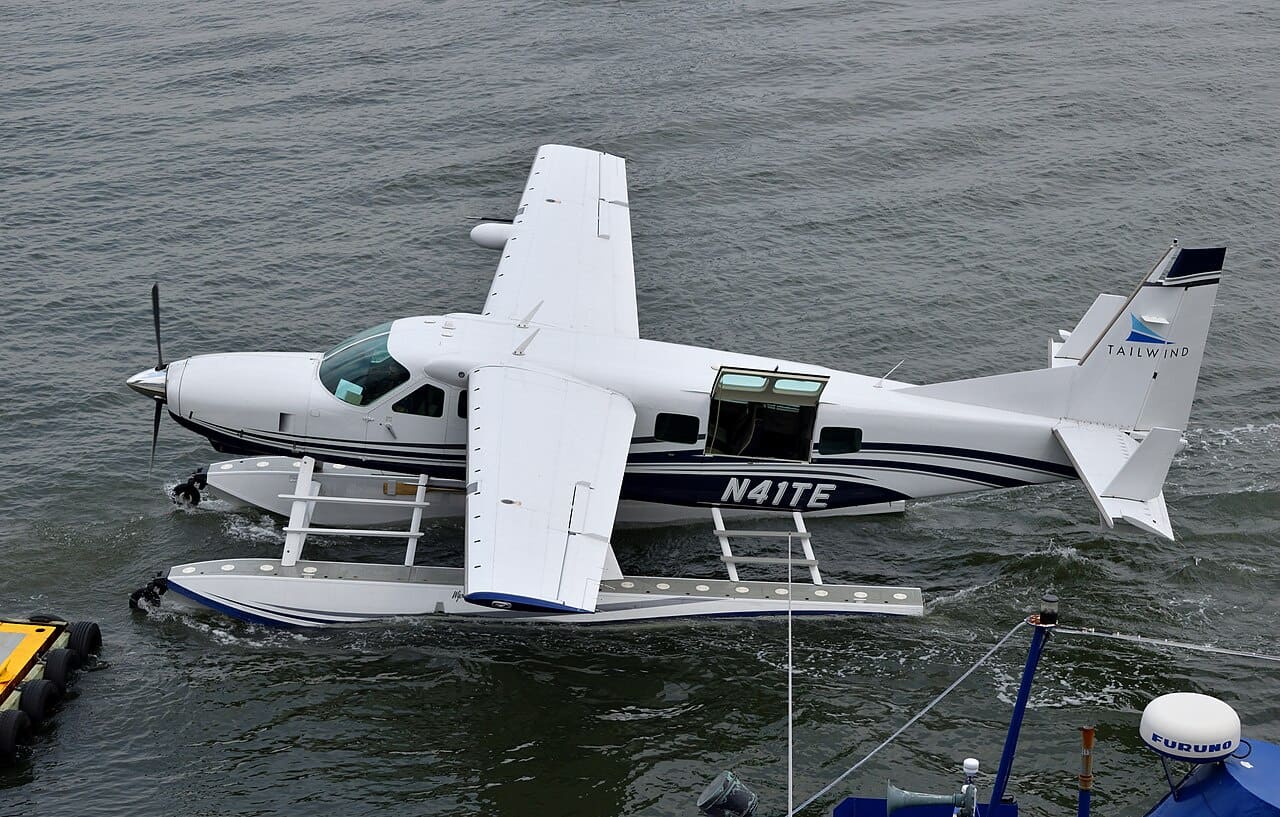
If you plan to keep a seaplane at a private dock or mooring, give BWI the actual location, aircraft, custody and intended use before relying on the arrangement. The airplane, dock, neighboring property and any services provided by another person can raise different insurance questions. A seaplane policy and a property owner’s policy should not be assumed to address every interest simply because the aircraft is parked beside familiar waterfront property.
This guide concerns the insurance review for a seaplane owner using a private dock, mooring or related storage arrangement. It is separate from converting an airplane from wheels to floats or operating a commercial seaplane base. Qualified aviation, property and other appropriate professionals should establish permissions, site suitability and technical procedures. The insurance inquiry should describe those confirmed facts without presenting a policy response as approval of a mooring method or permission to operate on a waterway.
Start with BWI seaplane insurance information and describe the actual dock or mooring arrangement for review.
Describe the arrangement beyond the waterfront address
Identify where the aircraft will be kept and explain the actual arrangement. A dock at the owner’s home, a friend’s waterfront property, a rented space and a facility holding the airplane for the owner are different proposals. State the expected dates, whether the location is a regular base or a temporary stop and who has access to the aircraft. A mailing address alone does not explain those relationships.
Provide the location information and other details requested by the insurer through the appropriate process. If the precise arrangement is still being negotiated, identify what is known and what remains undecided. Do not describe a permanent seasonal base as an occasional overnight visit merely because the property agreement is informal. The insurance review should follow how the aircraft will actually be kept and used, rather than the most convenient label for the location.
Identify who owns the aircraft dock and adjacent property
List the legal aircraft owner and the parties responsible for the dock, mooring equipment and relevant premises. If the waterfront property is held through a different entity or ownership arrangement, explain that relationship. The same individual participating in several roles does not necessarily mean every interest appears in the same policy. Use the actual legal names and documents rather than assuming a household or business nickname explains the ownership.
Identify any lease, license, membership or other agreement governing use of the space. Have qualified advisers establish the parties’ rights and obligations. The insurance team needs the resulting facts, including whether another person holds keys, moves the airplane or supplies services. A description of private property should not conceal a relationship involving paid storage, customer aircraft or other activities that differ from the owner’s personal use.
A useful ownership note can distinguish the named aircraft owner, the property’s legal owner and the person signing permission for that owner. Ask the property adviser to confirm any uncertain name or signing role. Do not resolve it by copying a name from a map or a casual email. Send the insurer the relationship relevant to the request without distributing unnecessary private ownership records. Names support a factual review; common ownership alone does not establish insured status.
Keep site permission and operating suitability separate
Qualified professionals and the responsible authorities should establish the permissions and requirements applicable to the proposed location and aircraft operation. A property owner agreeing to let an airplane stay does not independently determine waterway, aviation or other applicable requirements. Likewise, a site being used by another pilot does not establish that your proposed arrangement is appropriate. Use current information and the proper professional channels for those decisions.
The FAA’s seaplane handbook provides operational education, but this insurance guide does not prescribe docking, anchoring, mooring or securing procedures. Give the insurance team the plan established by qualified people and identify any unresolved subject. An insurer response does not certify the site or a technical method. Keep the separate decisions consistent so the aircraft owner can identify what has actually been confirmed before relying on the location.
For an equipment conversion rather than the waterfront arrangement itself, use BWI’s wheels-to-floats insurance guide. Keep installation, removed equipment and configuration questions there while describing the private host and custody facts in this review.
Prepare a dock and mooring insurance review record
A short record can connect the aircraft, property, custody and time period. The comparison below organizes useful information for the insurance inquiry. It is not a site approval, mooring inspection or statement that every interest receives the same protection. Add the actual owners, documents and dates so the insurer can evaluate a defined arrangement instead of a general statement that the airplane will stay on the water.
| Waterfront subject | Information for the insurance discussion |
|---|---|
| Location | Actual dock or mooring, expected dates and use |
| Property | Aircraft, dock and premises owners |
| Custody | People holding, handling or moving the aircraft |
| Policy wording | Relevant definitions, deductibles and conditions |
| Agreement | Permissions and insurance requests |
| Later changes | Extended stay, seasonal storage or next base |
Read the actual aircraft policy definitions and deductibles
Ask the insurer to explain the relevant physical damage provisions, definitions and deductibles for the proposed arrangement. Terms concerning water operations, mooring or other aircraft states need to be read in the issued policy and endorsements. Do not infer that an airplane beside a dock is always treated exactly like an airplane parked in a land hangar. Equally, avoid assuming every seaplane policy uses identical definitions or deductibles.
BWI’s sample policy resources can illustrate why wording needs attention, but a specimen is not confirmation of your terms or a current offer. Use the actual contract for the aircraft being reviewed. Ask which provisions apply to the facts and how any requested change would be documented. A broad statement that hull coverage is included does not independently answer every deductible, cause-of-loss, condition or property question attached to the proposed dock or mooring.
Distinguish aircraft damage from damage to the dock
The seaplane owner’s interest in the airplane is different from a property owner’s interest in a dock or another structure. An incident could also involve nearby vessels, another aircraft or other property. Ask the relevant insurance advisers to review each interest using the actual policies and relationships. Do not assume aircraft physical damage insurance pays for every affected item or that a property policy automatically answers an allegation involving aircraft use.
Describe whether the dock belongs to you, another person or a business, and provide relevant agreements. Questions about liability, property exclusions and responsibility assumed by contract should use the actual wording. This guide does not assign fault or promise payment after a particular event. It helps the owner identify the separate insurance questions before a shared location creates a mistaken belief that all property and participants have one combined arrangement.
Explain who has custody and who will move the airplane
Identify anyone expected to hold, handle or move the aircraft while it is at the location. A property owner offering a place to stay may have a different role from a business accepting the airplane into its custody. If someone will reposition it, arrange maintenance or provide other services, disclose those facts rather than describing the agreement only as a parking space. The practical activity matters alongside the agreement’s title.
Have qualified personnel establish technical handling procedures and operational responsibilities. For insurance, identify the actual person or business and scope requested for review. Ask the relevant advisers which policies may address the owner’s interests and another party’s responsibilities. Do not assume the aircraft owner’s hull policy eliminates every custody question or that a person having general liability insurance establishes the response for handling an aircraft.
Record the start and end of a handling service in the agreement and related correspondence. For example, accepting keys on arrival, a later instruction to reposition the airplane and return of control to the owner are different facts. This is a record of who agreed to do what, not a technical handoff procedure or a legal determination of custody. Preserve the actual account if the parties disagree; do not rewrite it to fit a preferred policy description.
Describe use pilots and activity from the waterfront base
Explain the aircraft’s intended use while it remains at the dock or mooring. The owner may continue ordinary personal flying, receive instruction or propose another activity. Identify the actual pilots and provide the information requested by the insurer. A location change should not conceal a use change, and permission from the property owner should not be treated as acceptance of every pilot or activity under the aircraft policy.
Include the proposed arrival and departure pilots if they differ from the people who normally operate the airplane. Qualified aviation professionals must independently address operating and pilot requirements. If an insurer condition applies, understand what it requires and how completion is documented. Do not assume a named pilot list is the only relevant wording or use another owner’s policy as the requirement for your particular airplane and waterfront arrangement.
Include access visitors and any business activity
Describe guests, tenants and anyone else who can access the aircraft area. Explain any paid services or another owner’s aircraft at the property; private does not fully describe a business arrangement. Qualified property and aviation professionals establish access and technical controls. The insurance inquiry follows that actual plan. A personal aircraft policy is not automatic acceptance of storing customer airplanes or providing services to them.
Review the property agreement before relying on it
Have qualified advisers examine the actual dock, mooring or storage agreement and clarify responsibilities for damage, maintenance, access and insurance. An informal arrangement can still involve expectations that need to be understood. Provide relevant insurance provisions to the insurance team rather than summarizing the agreement as a standard waterfront lease. A contractual promise and an insurer’s policy promise are separate subjects that should be compared using their actual wording.
If evidence or a particular insured status is requested, identify the legal name, purpose, activity and period. Ask which requests can be addressed and what remains unresolved. A certificate does not independently create protection, remove an exclusion or satisfy every agreement provision. If the property owner changes the terms or another entity takes over the location, have the revised facts reviewed before relying on evidence issued for the earlier arrangement.
Include seasonal changes and periods when the aircraft is unattended
Explain the actual period of use, where the airplane will be held between flights and who is responsible for relevant custody or services. If the plan involves a long stay, a period away from the owner or a change in seasonal storage, disclose it in the detail requested. An airplane not flying still has property and custody questions; the absence of planned departures does not itself establish the applicable policy response.
If the owner proposes to leave for two weeks, record the absence separately from the total waterfront stay. Identify who, if anyone, accepts custody during that interval and what services have been agreed. Ask for the actual insurance response to that description. There is no universal unattended-day allowance or automatic saving. If an alternative restriction is offered, have its meaning and the steps for any later change explained before relying on it.
Keep weather planning distinct from reimbursement assumptions
Qualified professionals establish weather, relocation and securing decisions; this guide prescribes none. Give the insurer the real location and arrangements. If precautionary relocation, substitute storage or travel expenses are a concern, ask about the actual wording before budgeting reimbursement. A planned expense is different from a loss or potentially reportable event. Follow the policy reporting requirements when a concern arises instead of assuming all disruption costs receive the same response.
Coordinate lender and other property insurance requirements
Identify any lender requirements relevant to aircraft location or storage using the actual financial agreement. Supply confirmed details to the appropriate advisers and keep supported evidence with the waterfront record. A private dock does not remove a continuing financial interest. The property owner should separately ask its advisers about the actual dock and premises arrangements. A homeowners, marine or commercial property label is not an answer about aircraft-related interests. Assign each question to the relevant reviewer and identify unresolved matters, without assuming all property can be combined in one contract.
Compare proposals using one accurate storage description
Compare offers using the same aircraft, requested value, pilots, waterfront location, dates, use and custody. Read the relevant physical damage definitions, deductibles, liability provisions and conditions beside the premium. Identify which final documents establish an accepted arrangement. A response based on an owner attending the airplane every day cannot casually be compared with one describing several weeks of custody by another business.
Test the review with a fictional private dock arrangement
Imagine a fictional owner arranging July 1 through July 31 at a friend’s dock. The airplane belongs to Cedar Aircraft LLC; the waterfront property belongs to the friend’s family trust. These are invented names and dates, not a BWI customer or an accepted insurance arrangement. The host initially offers space only. The aircraft owner supplies the correct legal names, actual aircraft identifiers and the written permission for review instead of describing all interests as the owner’s summer home.
On July 10 the owner proposes to remain through August 15 and hire a local service to handle the airplane while away. The revised record identifies the new dates, service business and actual duties. Qualified professionals decide the technical and property arrangements. The insurance inquiry asks whether the existing response addresses those facts, which document would confirm any accepted change and what remains unresolved. No handling method or insurance result is prescribed by this example.
The host then requests evidence identifying the trust. The owner supplies the exact request and relationship, rather than asking someone to place a convenient name on a certificate. Evidence showing the earlier July dates does not answer the proposed extension by itself. The final file keeps the property permission, custody description and supported insurance documents identifiable, with no assumption that adding a recipient makes the dock itself insured.
Preserve the location history and update the next arrangement
If an incident, demand or potentially reportable concern occurs, follow the policy requirements and obtain guidance from the relevant insurer. Preserve factual information without guessing at fault, technical cause or payment. When the aircraft leaves, update the next intended location and use where relevant. A completed stay should not leave the current file describing waterfront custody that no longer reflects where the airplane is kept or who handles it.
Frequently asked questions
Is a moored seaplane treated exactly like an airplane in a hangar
Read the actual policy definitions, deductibles and endorsements with the insurer. Do not assume every aircraft state or storage arrangement receives identical treatment. A sample wording can illustrate a question, but the issued contract and the actual facts determine the relevant review.
Does my aircraft hull insurance also insure the dock
The airplane and dock are separate property interests that need appropriate review. Identify ownership, relevant agreements and possible liability questions. Do not assume aircraft physical damage protection or another party’s property policy independently answers every item affected by an event.
Should I tell BWI about a temporary private dock
Provide the actual location, dates, custody, storage and intended use and ask what review is required. A temporary label or informal permission does not independently establish that a change is irrelevant under every policy. Keep the description aligned with how the aircraft will actually be kept.
Can another person move or hold the airplane for me
Disclose the actual person or business and proposed activity for the relevant insurance review. Qualified personnel must separately establish technical and operating requirements. A friendly offer, property permission or general liability certificate does not itself resolve every aircraft custody or handling question.
Does this guide approve a docking or mooring method
No. Qualified aviation and property professionals should address site suitability, permissions, equipment and technical procedures using appropriate guidance. The insurance inquiry needs the resulting accurate plan and does not substitute for those separate decisions.
Prepare the private dock seaplane insurance review with BWI
Bring BWI the aircraft and policy details, actual location, property relationships, dates, pilots and intended use. Include custody and handling arrangements, relevant agreements, financial interests and any seasonal changes. Identify the facts already established through the proper channels and the questions that remain unresolved before the airplane relies on the arrangement.
Request a seaplane insurance review and quote from BWI before assuming a private dock or mooring fits the existing policy description. Compare the response and issued documents with the final plan, and return material changes for review. A clear location record helps the insurance conversation follow the real aircraft and property interests from arrival through storage, later flying and departure to the next intended base.
Continue Reading


