
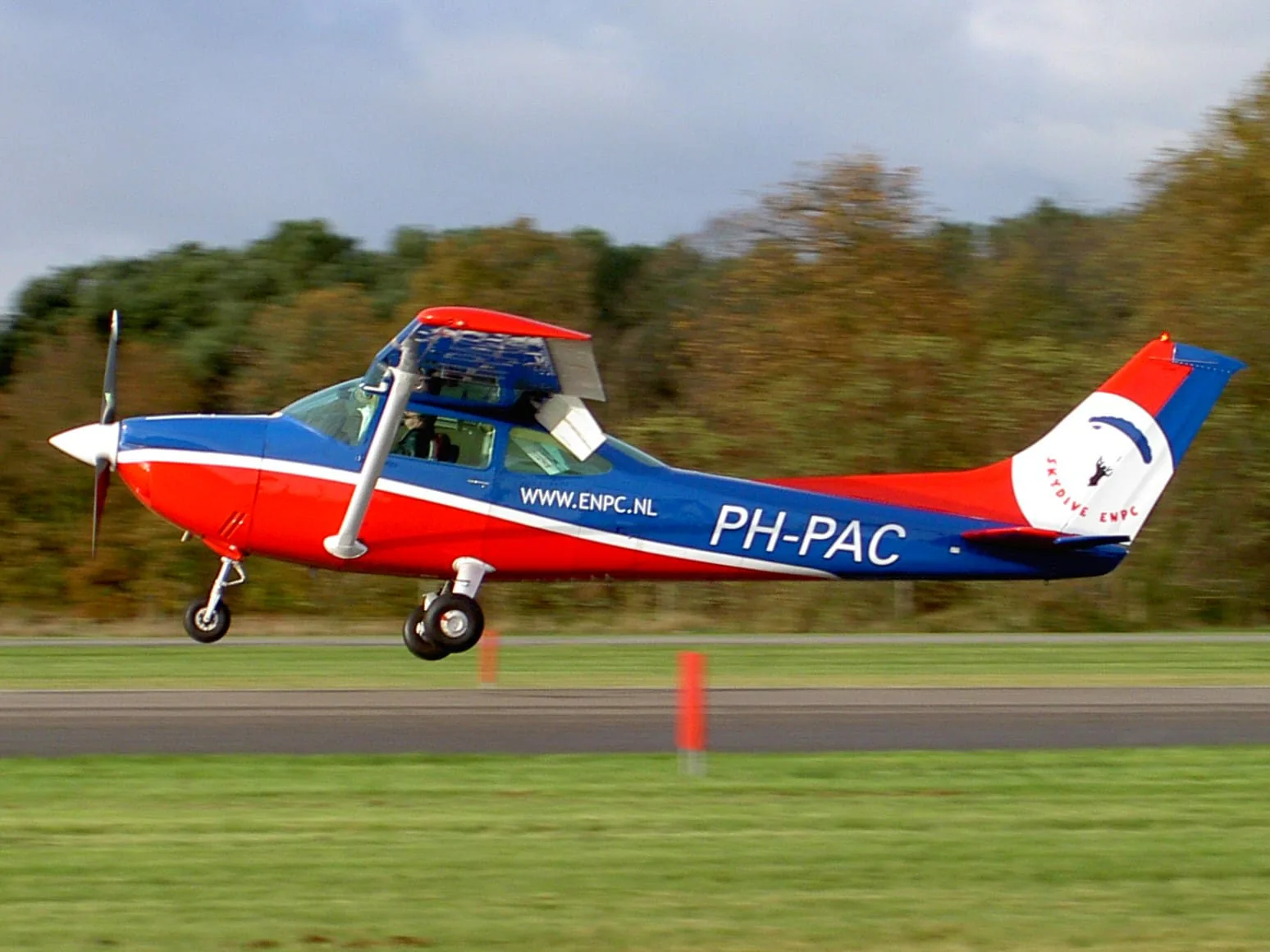
Jump plane insurance should explain the aircraft owner, operator and drop zone relationship. Describe the specific use and everyone’s role instead of relying on a general commercial label.
Define the aircraft operation
Provide aircraft configuration, ownership, pilots and occupant roles. Explain the jump activity and proposed expansion. Confirm operating requirements through the proper channels. Replacement personnel and additional aircraft should be presented for review rather than assumed to qualify under existing terms.
Map the separate interests
Review aircraft damage and liability individually. List parachutes, cameras and other property owners. Provide leases, airport requirements and ground-service details. Explain maintenance custody, employees and contractors so each policy can be compared with the actual division of responsibilities.
Maintain the program record
Compare proposals using the same aircraft and activity facts. Keep accepted pilot conditions, schedules and reporting contacts available. Reconcile renewal information with current operations and retain factual records when an incident occurs. Report changes before relying on prior acceptance.
Bring the facts to BWI
Provide the aircraft or equipment details, parties, intended use, dates and relevant agreements. Include current policies and factual loss information where applicable. Keep unanswered questions visible until the appropriate review is complete.
Request an aviation insurance review from BWI. Availability and terms depend on the individual submission and the actual policy wording.
Continue Reading

