
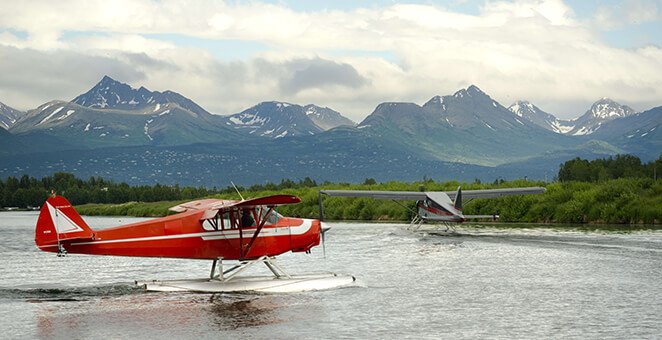
Before changing an airplane from wheels to floats during the policy year, confirm that the insurance describes the actual float configuration, value, pilots and seasonal operation. Some arrangements may already contemplate both configurations, while others need a specific change or confirmation. Read the accepted terms instead of assuming either answer.
The conversion also creates property and custody questions. The wheels or floats not installed must be stored somewhere, the aircraft may spend time at a maintenance facility, and the first operation may involve a different pilot or instructor. Those stages belong in the review alongside the water flying itself.
At BWI, we can discuss the seasonal plan and the information needed to request coverage options. Get an aircraft insurance quote from BWI before the scheduled conversion. Include whether the floats are straight or amphibious, where the airplane will operate and how each pilot will prepare for the season.
Check Whether Both Configurations Are Already Described
Start with the policy, schedule and endorsements. Identify the aircraft description, insured value and any seasonal or configuration provisions. A previous discussion about someday adding floats is different from an accepted arrangement for this airplane and season.
If both configurations are contemplated, ask what notice or other conditions apply when changing between them. If the proposed equipment differs from what was previously described, explain the actual change. Replacing one float installation with another should not be treated automatically as the same submission.
Do not assume a universal midyear premium reduction when floats are removed, or a standard surcharge when they are fitted. Seasonal rating and adjustment depend on the actual policy. Obtain the insurer's response before using a guessed saving in the aircraft budget.
BWI's seaplane insurance page is the broader starting point for float operations. For the conversion itself, the useful review identifies the dates, equipment and activities that will actually change.
Distinguish Straight Floats From Amphibious Floats
Describe the specific installation rather than saying only that the airplane is on floats. The equipment, operating environment and pilot experience relevant to straight float operations can differ from the arrangement involving amphibious floats. Provide the information requested for your actual aircraft.
This description should include how the airplane will reach the water or return to land storage. The conversion facility, launching arrangements and any ground movement are part of the practical plan. Let qualified technical professionals determine the appropriate methods and approvals.
For insurance, identify all pilots expected to operate in the changed configuration. General time in the airframe and experience in the actual float arrangement are not necessarily the same fact. State both accurately rather than treating one as a substitute for the other.
If the project includes different equipment, modifications or a changed mission, include those as well. The seasonal change should not conceal a broader alteration in how the airplane is used.
Use a Seasonal Configuration Timeline
A timeline makes the policy review more useful than simply asking for summer coverage. It includes the property not installed and the activities that occur between the two flying configurations.
Use actual dates when known and identify estimates honestly. If the installation or first water operation moves, update the record before relying on the earlier response.
| Milestone | Record | Question to resolve |
|---|---|---|
| Before conversion | Current wheels configuration and intended floats | Does the accepted policy contemplate this change |
| At the facility | Custody storage and work scope | What applies while the airplane is being handled |
| Equipment removed | Owner location and identifiers | How stored wheels or floats are addressed |
| New configuration complete | Actual installation and desired value | What description and effective change are accepted |
| First water operation | PIC instructor and intended use | Which pilot and training conditions apply |
| End of season | Removal storage and return to wheels | What notice and coverage review are needed |
Review the Aircraft Value and Stored Equipment
The aircraft value should be reviewed using the actual configuration and supporting information. Floats may be newly purchased, borrowed, leased or already owned. Identify that interest and avoid counting the same property twice in a general aircraft figure and a separate equipment discussion.
Ask how the accepted wording treats equipment removed seasonally. Record where the wheels or floats are stored, who has custody and whether they will be transported for repair. Do not assume temporarily off the airplane means covered everywhere without further review.
Keep purchase, installation and condition records. The overall cost of the project is useful evidence, but it is not an automatic valuation formula. Discuss the finished aircraft and any separate property interests you want addressed.
If a lender is involved, review its requirements before changing the insured amount or coverage arrangement. The financial interest may continue through both configurations and during the conversion period. Keep the accepted documents consistent with the facts.
Prepare the Pilot Information for the Season
Supply requested experience in seaplanes, the particular aircraft and the relevant configuration. Include recent flying and planned refresher or transition instruction. A rating and lifetime experience totals do not describe everything about the first flight after a seasonal break.
Use qualified instructors and technical guidance to determine appropriate preparation. The insurance discussion should accurately describe that plan, not invent a universal hour requirement. If the insurer proposes a condition, understand what completion and documentation it expects.
Identify any instructor, mentor or delivery pilot who will operate. If one pilot handles the initial flight and another takes over later, state the sequence. Do not assume the owner's acceptance automatically addresses every other person involved.
The owner should also understand insured status separately from pilot permission. If another pilot requests particular liability protection, obtain the actual request and have it reviewed. A name on a pilot list is not a complete explanation of every protection under the contract.
Describe Where the Airplane Will Live on Floats
Give the actual base and storage plan: a hangar, dock, mooring, shoreline arrangement or another location. State expected seasonal use and any extended periods away. Do not keep the insurance file showing only the old land airport when the aircraft's routine location changes.
Ask about relevant wording using the real storage facts. Terms about motion or ground risks should not be interpreted casually for an airplane on water. Have the insurer explain how the offered arrangement applies to the described location and activities.
Also describe material operations such as remote destinations or a different geographic area. A float installation makes certain trips possible, but it does not establish that every destination or use is within the policy. Review territory, use and any relevant endorsements.
If local permissions or other legal requirements apply to the intended water operations, have them resolved through the appropriate channels. Insurance acceptance is separate from permission to use a particular site.
The First Season on a Different Float Installation
Consider a hypothetical owner whose airplane has operated on wheels for several years. The owner buys amphibious floats, schedules installation and hopes to fly to a seasonal base immediately afterward. Another pilot will help with familiarization.
The submission should describe more than the equipment purchase. It includes the completed configuration, requested value, the other pilot's role, the owner's experience and the new base arrangement. The insurer can then respond to the actual operation rather than a simple increase in the aircraft amount.
Suppose the installation is delayed and the first flight now requires a substitute instructor. Update those facts before operation. The equipment may be identical, but the pilot and timing are different from the reviewed plan.
At season end, the owner records removal and storage of the floats and the return to wheels. The timeline prevents a forgotten seasonal assumption from surviving into renewal after the airplane has changed configuration again.
Keep Conversion and Return Records Together
Preserve the technical documents supplied through the appropriate maintenance process, the current equipment description and the insurer's accepted response. The pilot should know which configuration and conditions apply without sorting through contradictory email versions.
If any coverage restriction applied during downtime, confirm what must change before the next ground activity or flight. Do not assume the insurance status follows the maintenance completion automatically. Record the effective date and communicate the accepted plan to the people involved.
After the season, update location and stored equipment information. A float set moved to a different repair or storage facility creates a different property description from the one first supplied. Keeping the records current makes the next renewal and conversion discussion more efficient.
Keep the seasonal plan available to anyone scheduling the airplane. A reservation made months earlier may still assume wheels, a different base or a familiar instructor. Confirming the current configuration before accepting that trip prevents a scheduling assumption from becoming an unreviewed operation.
Frequently Asked Questions About Seasonal Float Changes
Do I Need a New Policy Every Time I Change Gear?
Not necessarily. The existing arrangement may contemplate seasonal changes, but you need the answer from the actual policy and insurer. Confirm the equipment, dates and any notice conditions rather than assuming either a new policy or no action is always required.
Will Removing Floats Reduce the Premium?
There is no universal midyear saving. Some arrangements account for seasonal use in their pricing, while other terms may require review. Obtain the actual response and calculation before budgeting a credit.
Are the Floats Insured While Stored Separately?
Describe ownership, location and intended future use, then have the relevant wording reviewed. Do not rely on their former installed status or a generic ground coverage label as the whole answer.
Does Landplane Experience Satisfy the Float Pilot Conditions?
Supply the actual experience requested, including relevant float and configuration time. The insurer's conditions and appropriate training review determine what is needed. Avoid using total hours or familiarity with the airframe as an automatic substitute.
Should I Report a Different Summer Base?
Yes, describe where the airplane will routinely be kept and how it will operate. Docking, mooring, storage and location are useful underwriting facts. A temporary trip and a seasonal change in base should not be described as the same arrangement.
Get a Quote From BWI for Your Seasonal Float Plan
A useful seasonal insurance review follows the airplane through conversion, water operations, stored equipment and the return to wheels. We can discuss those facts and help present the actual configuration and pilot plan.
Send BWI the float details, aircraft value, dates, pilot experience and seasonal base. Get an aircraft insurance quote from BWI or call 866 788 6291 before the configuration or operating arrangement changes.
Continue Reading

