
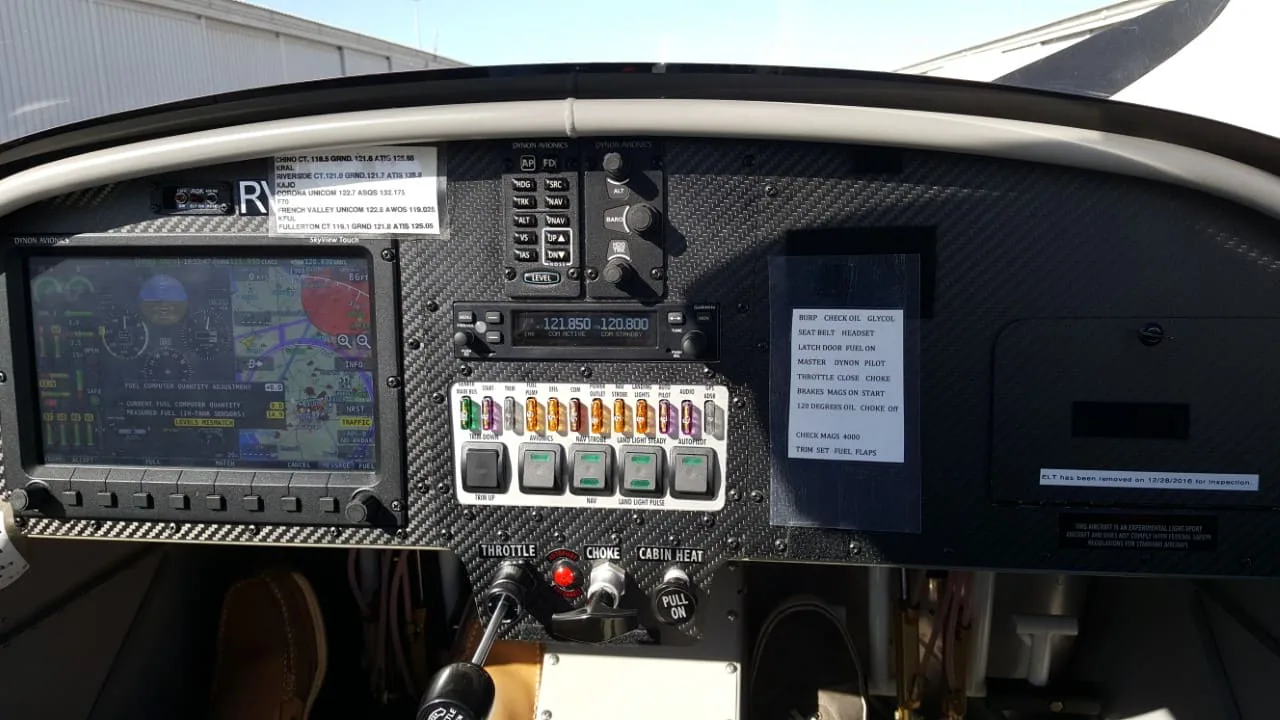
Building or owning an experimental aircraft is one of the most rewarding experiences in aviation. Whether you’re flying a Vans RV, Lancair, Glasair, or Kitfox, your airplane represents thousands of hours of craftsmanship and passion.
Experimental airworthiness certificates are issued for different purposes, including amateur-built, light-sport, exhibition and research uses. Do not infer a particular certification category, operating authority or insurance eligibility from a model name or the word experimental.
BWI is a family-owned aviation insurance agency established in 1977. This guide explains how to compare the actual insured interests, phases, pilot conditions and premiums offered for an experimental or homebuilt project.
1. What Is Experimental Aircraft Insurance?
Insurance review should identify the purpose stated on the aircraft’s actual experimental airworthiness certificate and its operating limitations. Amateur-built aircraft, experimental light-sport aircraft and exhibition or research aircraft can raise different questions. A kit brand or model name alone does not establish the completed aircraft’s category or insurability.
Provide the aircraft’s build and certification records, configuration, intended activities and pilot information. Review the terms actually offered rather than assuming a model-specific quote applies to every build or phase.
2. Why Experimental Aircraft Insurance Is Unique
- Aircraft configuration – Supply the actual airframe, engine, propeller and avionics details rather than assuming all examples of a model are alike.
- Flight-test status – Disclose whether testing is planned, underway or completed and provide the issued operating limitations so the proposed activity can be reviewed.
- Build and maintenance records – Identify the builder documentation and applicable instructions actually available for this aircraft.
Get Your Experimental Aircraft Insurance Quote Today>>
3. The Two Primary Coverage Phases
Review construction and flight interests separately, including any ground activity between them. A request, certificate or completed inspection does not automatically expand insurance:
- Builder’s Risk (Construction Phase):
For a project in assembly or storage, identify which parts, components and locations are insured and how their values are established. Review causes of loss, transport and handling, deductibles and exclusions. Construction or ground-not-in-motion protection does not automatically cover an engine run, taxi activity or flight; request a separate review before the activity changes.
- Flight Coverage (Operational Phase):
An airworthiness certificate does not activate insurance. Before flight, confirm written binding, the accepted pilots and operations, any test-phase terms and the scope of liability and hull coverage actually selected. Instruction, demonstration or a test pilot’s participation requires specific disclosure and review; regulatory permission and insurance acceptance are separate questions.
4. What Experimental Aircraft Insurance Covers
| Coverage or condition | What to review | Compare in the actual offer |
| Liability | Insured legal liability for bodily injury or property damage under accepted operations | Insured parties, limit structure, passenger sublimits and exclusions |
| Aircraft hull | Physical damage protection actually selected for the stated aircraft and activities | Insured value, valuation provisions, covered phases and deductible |
| Project property | Parts and components included during assembly or storage | Insured property, locations, values, causes of loss and exclusions |
| Flight testing | Whether the actual test phase, aircraft and proposed pilots are accepted | Written terms, restrictions and any requirements before testing |
| Pilot and operation conditions | Who may fly and which activities are accepted | Named/other accepted pilots, training and permitted uses |
| Defense provisions | Defense obligations under the actual liability wording | Applicable trigger, costs relative to limits and conditions |
5. How Much Does Experimental Aircraft Insurance Cost?
| Aircraft or project | Submission information | Compare in the actual quote |
| Vans RV-7 or RV-8 | Specific aircraft, configuration, value, pilots and build/test status | Premium for the stated phases, pilot conditions and deductibles |
| Vans RV-10 | Actual aircraft value, configuration, pilots and intended use | Liability terms and hull scope separately |
| Lancair or Glasair | Exact model, powerplant, build history and training information | Accepted operation and outstanding underwriting requirements |
| Kitfox or RANS | Actual configuration, ownership, pilots and operating plans | Aircraft eligibility, phases, limits and exclusions |
| Other homebuilt | Design, build records, certification purpose and proposed activities | Available terms, if offered; no model-based premium formula |
6. How Underwriters Evaluate Experimental Risks
- Pilot total time and relevant aircraft experience.
- Actual training records and any proposed transition training.
- Build documentation, inspections and outstanding items.
- Aircraft storage, locations and any planned transport.
- Accurate loss or accident history as requested.
- Specific aircraft configuration, engine and propeller.
- Test status and the aircraft’s issued operating limitations.
7. What About Phase I Flight Testing?
Use the aircraft’s issued operating limitations and applicable FAA requirements to identify its test obligations. Do not rely on a generic test-hour range or treat completion of a test requirement as automatic insurance acceptance. Ask what liability and hull terms, pilots, deductibles and restrictions actually apply during testing and after the documented transition.
Give BWI the build status, certification and operating-limitations documents, requested start date and proposed pilot information before first engine start, taxi or flight. Obtain confirmation of the accepted activity and effective protection; this guide does not promise test-phase coverage or coverage from the first takeoff.
8. Hypothetical Transition From Construction to Flight
Hypothetically, a builder finishes an RV-series aircraft and prepares to move from workshop storage to ground activity and flight testing. This is a coverage-review example, not a BWI customer history or quoted premium.
The submission should identify the actual configuration and value, build records, airworthiness documents, operating limitations and proposed pilots. Separate the intended engine start, taxi and flight activities rather than describing all of them simply as a completed build.
Training and build documentation support an accurate submission but do not guarantee a discount, acceptance or unrestricted flight coverage. Resolve the offered terms and outstanding requirements before relying on protection.
9. How to Prepare Comparable Experimental Aircraft Quotes
- Provide the transition training information requested; ask what the offered policy requires.
- Describe the actual storage location and protections; no hangar discount is assumed.
- Keep build logs, component records and photographs organized for the submission.
- Report completed safety training accurately; participation does not establish a premium credit.
- Compare deductibles actually offered against the amount you could retain; no saving is promised.
- Compare quotations based on the same aircraft, pilots, phases and requested insured interests.
10. Why Choose BWI for Experimental Aircraft Insurance
- Family-owned aviation insurance agency established in 1977.
- Published service information for experimental and homebuilt aircraft.
- A quote route for building, buying or already flying.
- A team available to discuss aircraft configuration, build status and pilot experience.
- Review of the terms actually available, subject to underwriting.
- Written binding confirmation before treating requested protection as effective.
11. The Bottom Line
Building or flying an experimental aircraft combines passion, engineering, and adventure, but it also requires responsibility.
Compare the accepted scope for construction, ground activity and flight separately, and confirm any change in writing. The policy’s insured interests, limits, exclusions and conditions determine its response.
Ask BWI to review the project, aircraft and pilot information with the terms actually available. No particular premium, discount, test-phase acceptance or claim payment is established by this guide.
Request an experimental aircraft insurance review at BWI Aviation Insurance. Provide the aircraft, build phase and pilot details before relying on an offer.
Continue Reading

