

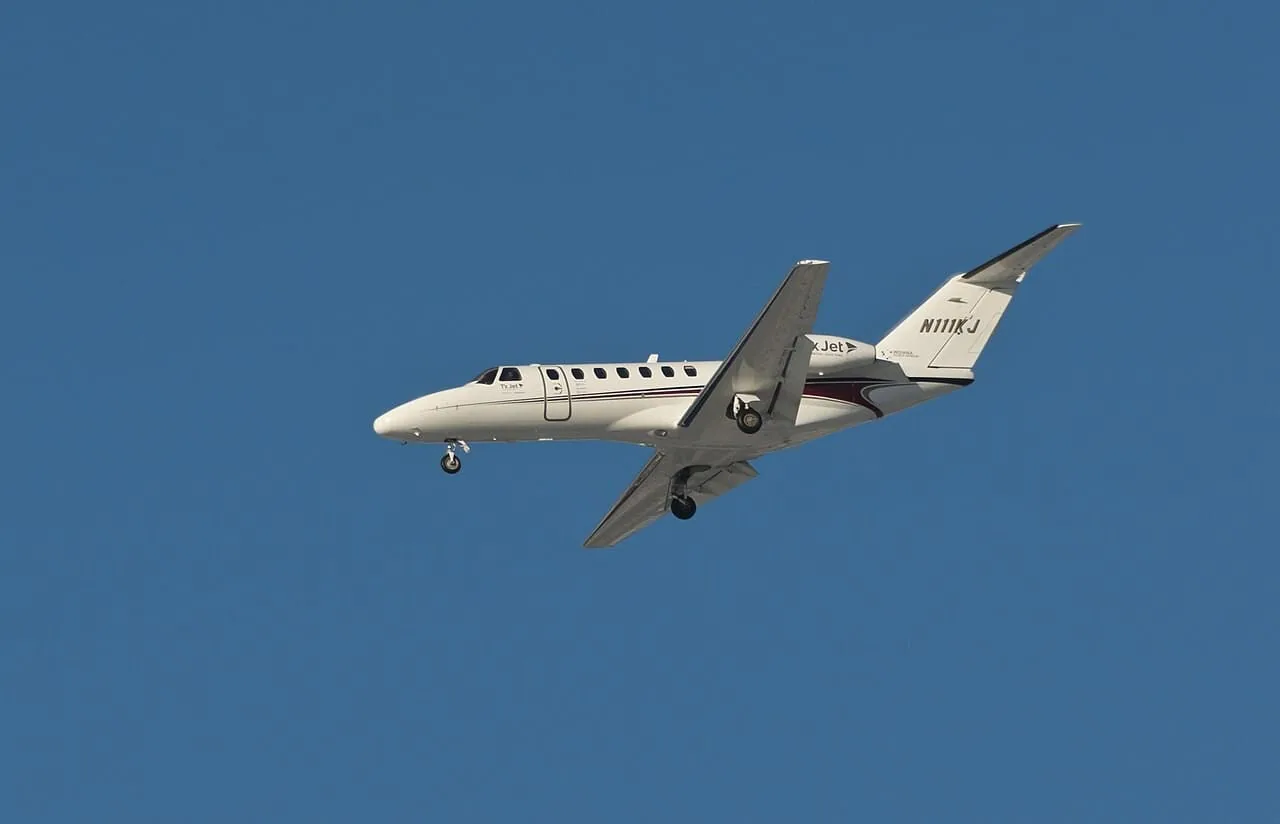
Aircraft dealer insurance should follow the business from acquisition through inventory, demonstrations and sale. A dealer may own some aircraft, hold others on consignment and arrange introductions for a third group without taking possession. Those roles create different insurance questions. A useful submission explains the transactions and activities instead of treating every aircraft advertised by the business as identical inventory.
Begin with a current inventory and responsibility map. Identify the legal seller, aircraft owner, party controlling the aircraft, intended pilots and services performed. Then ask how actual offered insurance addresses aircraft damage, flight liability, premises activities and other business interests. An owner’s private-use policy should not be assumed to accept a dealer’s commercial activities.
This guide helps prepare an inquiry for BWI’s commercial aviation insurance team. It does not establish a universal dealer program, guarantee placement or provide legal or operating authority. Use the actual transaction agreements and offered wording with the appropriate advisers before relying on protection.
Describe the Dealer Business Model Precisely
Explain whether the business buys aircraft for resale, accepts consignments, provides brokerage services, conducts demonstrations or performs other work. If maintenance, aircraft management, instruction or transportation is also offered, identify it separately. A short aircraft sales label can omit activities that matter to both the insurance submission and the business’s contractual responsibilities.
Distinguish the current operation from a proposed expansion. Identify the aircraft categories, general locations, transaction pattern and outside providers involved. Do not present a planned service as an established fact or omit an existing service to make the application look simpler. The reviewer needs an accurate account of how the business actually earns revenue.
If several entities share a brand, state which one signs sales agreements, owns inventory, employs people and holds customer property. Related ownership is not a substitute for identifying the intended insured parties. Keep the legal names consistent across the application, inventory records and relevant contracts so the review addresses the correct interests.
Keep Registration and Insurance Questions Separate
The FAA provides a dealer aircraft registration application resource and other registry information. Have qualified aviation and legal personnel determine the registration and operating requirements for the business. A dealer registration document is not an insurance policy or proof that a particular flight is accepted by an insurer.
Likewise, an insurance quotation does not establish ownership, registration eligibility or authority to operate. Those processes can require different documents and decisions. Keep them coordinated around the same aircraft and transaction without using completion of one process as evidence that all the others are finished.
Supply the aircraft documents and factual ownership information requested by the insurance reviewer. If a transfer is pending, identify its status rather than listing the aircraft as already acquired. This makes it possible to discuss the relevant dates and interests without confusing a planned purchase with accepted insurance on completed inventory.
Separate Owned Inventory From Consigned Aircraft
For owned inventory, provide the actual aircraft identifiers, configuration, acquisition information and proposed values requested for review. Explain where the aircraft are kept and how they are used while held for sale. A changing stock of aircraft needs a clear description of what is currently owned and what is expected to change.
For consignments, supply the agreement and identify who owns, stores, operates and insures the aircraft. Ask how the dealer’s interests and potential liability are addressed under the actual offer. The owner’s policy should not be assumed to cover every dealer activity, and the dealer’s policy should not be assumed to replace all owner protection.
Where the business only arranges a sale without custody, describe that role accurately as well. Advertising an aircraft does not establish ownership or possession. Have the relevant advisers review the actual service and agreement rather than forcing every relationship into the same inventory category because it appears on one website.
Build a Dealer Insurance Review Map
| Dealer activity or interest | Records to provide | Question for the actual offer |
|---|---|---|
| Owned aircraft inventory | Current schedule, values and ownership | Which property and activities are included? |
| Consigned aircraft | Consignment agreement and custody facts | Whose interest and liability are addressed? |
| Demonstration flights | Aircraft, pilots, participants and purpose | Does the offer accept the actual demonstration use? |
| Ground handling and storage | Locations, duties and responsible people | Which relevant ground activities are included? |
| Outside services | Maintenance, ferry or other agreements | How are separate parties and obligations treated? |
| Sale and delivery | Transfer, possession and intended dates | When does each insurance arrangement apply? |
| Wider business interests | Premises, employees, vehicles and equipment | Which separate insurance reviews are required? |
The map organizes the inquiry; it does not describe guaranteed coverage. A policy may address some interests while leaving others for a separate arrangement or retained business responsibility. Record the actual terms and unresolved questions rather than assuming a dealer label makes the whole business insured.
Describe Demonstrations as a Specific Use
Identify who flies, who accompanies the flight, the aircraft involved and the actual purpose of the activity. A demonstration with a prospective buyer should not be treated as identical to an owner’s personal flight merely because the route is local. Provide the factual business arrangement and ask how the permitted-use wording addresses it.
If a prospective buyer, outside pilot or instructor will operate the aircraft, explain that role before relying on the insurance. Regulatory qualifications and policy pilot conditions are separate questions. Do not assume a demonstration is accepted because a person holds a certificate or because another pilot has been approved for the aircraft.
This guide does not prescribe demonstration procedures, training or passenger arrangements. Qualified operational personnel should determine the applicable requirements and safe conduct. The insurance task is to ensure the actual intended use and people are described and that the accepted terms are understood before the activity takes place. Read the separate demonstration flight insurance guide for the flight-specific review.
Make the Pilot Arrangement Match the Submission
Prepare the pilot information actually requested for employees, owners and outside pilots expected to fly. Separate relevant experience, completed training and qualifications from planned arrangements. A dealer may use different pilots for different aircraft, so a single business-level statement should not conceal who will operate a particular example.
Ask how the offer handles additions, substitutions and aircraft changes. An internal roster update or a message requesting approval is not necessarily an accepted policy amendment. Follow the actual process and retain the written response and issued evidence needed to establish the arrangement on which the business intends to rely.
Where another business supplies a pilot, provide the agreement and relevant insurance evidence for review. The supplier’s involvement does not automatically resolve the dealer’s own interests or obligations. Keep the legal, operational and insurance responsibilities connected to the same facts instead of assuming one party’s certificate protects everyone.
Review Values and Equipment for Each Aircraft
Inventory values can differ from purchase prices, advertised prices and expected sale proceeds. Provide the basis requested by the reviewer and ask how the offered valuation method applies to the scheduled amount. Do not choose a value solely to make the premium attractive or assume a sales listing guarantees a future claim payment.
Describe installed equipment, modifications and any material condition information needed for the submission. Identify removed equipment, spare parts and customer property separately. An aircraft being prepared for sale may have property at more than one location, and a single total on an inventory sheet may not explain those interests.
If financing or another party’s ownership interest is involved, provide the actual requirements and ask how they are documented. A floorplan balance or other debt is not automatically the same as the insured value or settlement method. Have the appropriate advisers address both the financial agreement and the actual insurance terms.
Ask How Acquisitions and Disposals Are Documented
A dealer’s inventory changes, so ask what the proposed policy requires when aircraft are acquired, sold or otherwise removed from the business. Obtain the actual notification, scheduling and acceptance provisions rather than assuming a blanket automatic arrangement exists. This guide establishes no universal reporting period, value allowance or automatic coverage limit.
Maintain a dated transaction record showing the aircraft, relevant parties, ownership and possession changes and the insurance communications. Label a proposed transaction as proposed. If timing changes, bring the revised facts for review so the business does not rely on a request prepared for a different closing date or aircraft.
Reconcile the accepted schedule with current inventory at appropriate intervals. A sold aircraft left on a list and an acquired aircraft omitted from it can both create confusion. The useful control is an accurate current record and the actual process required by the policy, not an assumption that frequent trading makes individual details unnecessary.
Include Storage Ground Handling and Customer Property
Describe the locations used and the actual ground activities performed by the business. Explain who moves, stores or otherwise handles aircraft and whether property belonging to customers is held. Aircraft physical damage, legal liability for another owner’s property and general premises questions should be identified separately in the review.
Supply relevant hangar, airport and storage agreements. A location’s insurance requirement may include terms beyond a basic liability limit. Ask what can actually be provided and have qualified counsel evaluate the dealer’s contractual obligations. Signing a lease or storage agreement does not rewrite the offered insurance policy.
Tools, office property, vehicles and employee-related obligations need appropriate separate attention. A dealer aviation proposal should not be treated as evidence that every business exposure has been addressed. Coordinate the aviation review with the business’s other advisers so the program description shows both accepted protection and unresolved boundaries.
Review Outside Maintenance and Delivery Arrangements
If another business performs maintenance, prepares an aircraft or supplies a delivery service, identify the actual agreement and roles. Distinguish the dealer’s work from work performed independently by someone else. A sales business that also performs technical services should disclose that activity rather than assuming it is incidental to every dealer submission.
Ask how the actual offer treats the intended use during delivery or repositioning and who is insured for the relevant interests. The owner’s, dealer’s and outside provider’s insurance may address different people and risks. Do not treat the presence of several policies as proof that the arrangement has no gaps or conditions.
Technical suitability, maintenance release and operating permissions require qualified aviation review. Insurance acceptance cannot establish airworthiness or authorize a delivery flight. Keep those decisions separate while making sure the insurance adviser receives the same current aircraft, pilot, date and use information on which the operational planning depends.
Make the Handoff at Sale Clear
The purchase agreement, payment, title-related documents, possession and delivery can occur at different times. Have qualified counsel explain the relevant transfer obligations and give the insurance advisers the actual facts. Do not assume a single date resolves every party’s property interest, liability or need for insurance.
The buyer should arrange an individual review of the intended ownership, pilots and use. A dealer’s existing policy or a certificate supplied during negotiations should not be treated as automatic protection for the buyer after the relevant handoff. Similarly, the dealer should not infer that a buyer’s inquiry releases all of its own responsibilities.
If delivery is postponed or the aircraft remains with the dealer after closing, bring that arrangement for review. The facts may no longer match the original timeline. Retain the final accepted documents and communications so the parties understand what was actually arranged instead of relying on an informal assumption about when the sale was complete.
Compare Proposals Against the Same Dealer Operation
Use the same inventory description, values, pilot arrangements, demonstrations, locations and outside services when requesting alternatives. Put differences in assumptions beside the premium. A lower offer based on owned stock alone is not equivalent to one considering additional consigned-aircraft responsibilities or different activities.
Review limits, relevant sublimits, deductibles, valuation, permitted uses, exclusions and conditions in the actual offers. Ask how defense provisions are structured where relevant. A headline liability amount and inventory total cannot summarize every material term. Keep unresolved questions visible before ranking the proposals by price.
Confirm outstanding requirements, effective dates and what establishes accepted coverage. A completed application is not the issued policy, and an indication may depend on further information. Check the final documents against the actual business before relying on them or representing the arrangement to a customer, lender or airport.
An Example of Owned and Consigned Inventory
Consider a hypothetical dealer that owns two aircraft and advertises a third under a consignment agreement. A prospective buyer wants a demonstration with an outside pilot, while the consigned aircraft’s owner expects its own policy to remain relevant. This example illustrates an inquiry, not a BWI customer case or a claim determination.
The dealer prepares separate ownership and custody entries, supplies the consignment agreement and describes the demonstration participants and pilot. The insurance reviewer can ask focused questions about the actual offered insured interests and permitted uses. The dealer does not list all three aircraft as owned stock merely because they share the same advertising page.
Before relying on an arrangement, the relevant parties check the actual accepted terms and separate operational requirements. If the demonstration or sale timeline changes, they revisit the facts. The lesson is that a clear transaction and activity description matters more than a broad assurance that the dealership carries insurance.
Keep Sales and Insurance Records Aligned
Compare the current inventory schedule with the aircraft actually advertised, held and operated. If the sales team adds a consignment or demonstration arrangement, bring those facts into the insurance review. A consistent record helps the business distinguish an accepted activity from a new commercial promise that has not yet been reviewed.
A practical reconciliation can use one row per aircraft and a dated change log. Include the aircraft identifier, ownership category, physical location, party holding the keys, proposed use and status of the insurance request. Keep supporting agreements connected to that row rather than relying on a sales listing that may change. Where a transaction is incomplete, show the pending question and the person responsible for obtaining an answer. For example, a consignment aircraft may move to a maintenance shop while its advertisement remains unchanged. The location and custody entry should follow the actual aircraft. If a buyer asks for delivery after closing, record that proposed flight separately from the sale entry. Check the resulting record against the accepted insurance documents before treating an activity as approved. This is an administrative comparison, not a substitute for policy interpretation, title advice, maintenance review or operational authorization. Preserve corrections so the file explains both the earlier assumption and the final confirmed arrangement.
Aircraft Dealer Insurance Questions
Does a dealer registration certificate provide insurance
No. Registration and insurance are separate processes. Use qualified advisers for the actual regulatory requirements and review issued insurance terms for protection.
Are consigned aircraft the same as owned inventory
They involve different ownership and contractual facts. Provide the consignment agreement and ask how the actual offer addresses each party’s interest.
Does an owners policy automatically allow dealer demonstrations
Do not assume it does. Describe the actual commercial activity, pilots and participants and obtain a review of the offered terms.
Is every acquisition automatically covered
This guide establishes no automatic arrangement. Ask what the actual policy requires for acquisitions, scheduling and acceptance.
When should the buyer arrange insurance
Coordinate the actual transfer and possession facts with the relevant advisers before relying on protection. A dealer’s policy should not be assumed to become the buyer’s policy.
Can BWI place every aircraft dealership
No universal placement promise is made. Confirm whether the specific business and requested interests can be considered and compare any actual offer.
Prepare Your Aircraft Dealer Inquiry for BWI
Bring the business description, legal-party list, owned and consigned aircraft schedules, proposed values, pilot information, demonstration details and relevant agreements. Identify proposed changes and the particular property and liability interests you want reviewed.
Request a commercial aviation insurance review from BWI. Confirm available options for the actual dealership and compare accepted terms before relying on them. Eligibility, pricing and coverage depend on underwriting and the issued policy; an inquiry does not bind insurance or grant operating authority.
Continue Reading


