
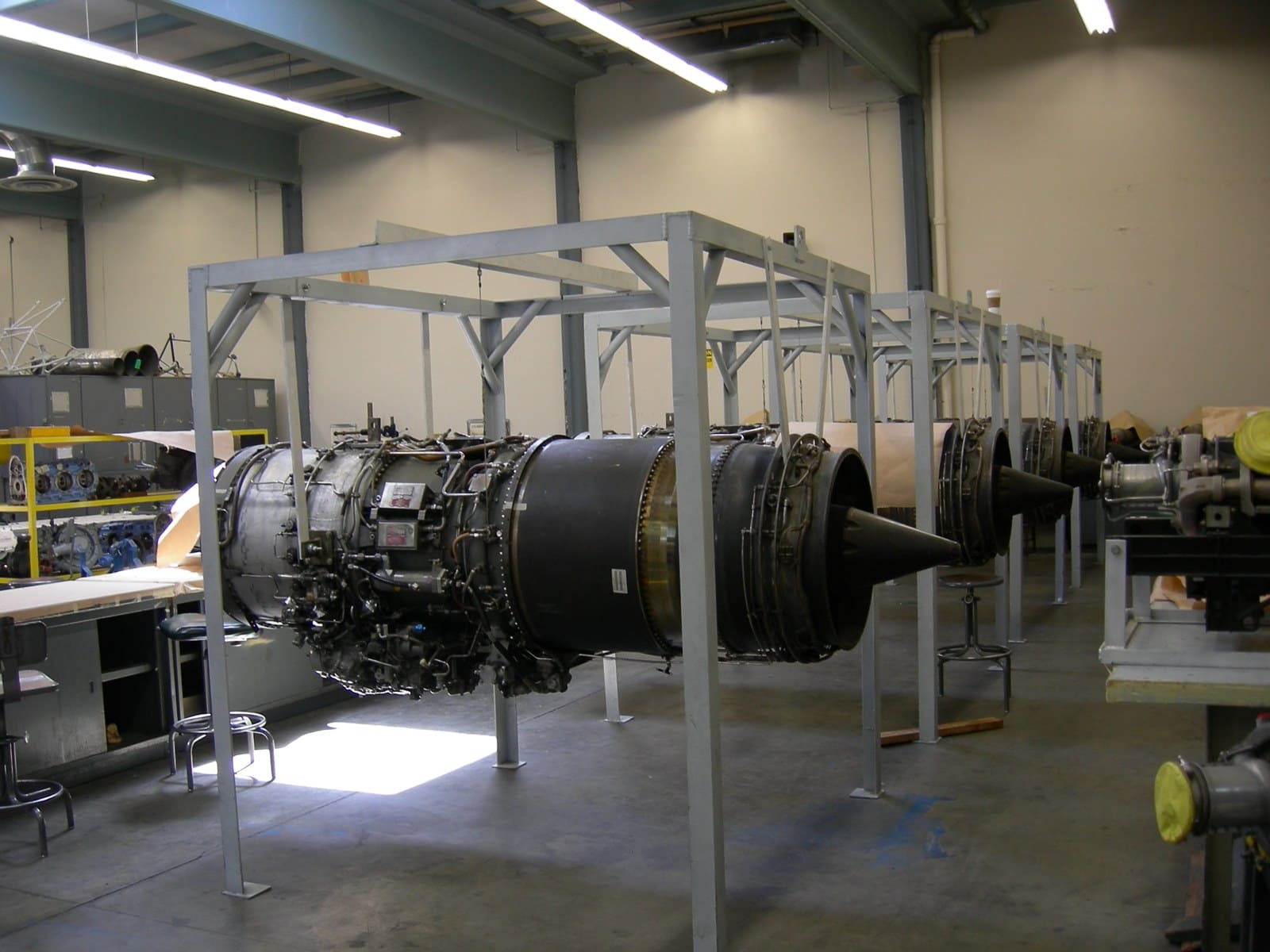
Shipping an aircraft component involves property, custody and transport responsibilities. Start with the item and its full journey before comparing insurance terms.
Map the shipment
List the property, owner, value, origin and destination. Include collection, temporary storage, transfers and final receipt. Identify who bears responsibility at each stage. An engine waiting in a warehouse may present a different question from the same engine aboard the carrier.
Review property and carrier terms
Carrier liability and property insurance are different forms of protection. Review valuation, limits, deductibles and exclusions. Explain packing, condition, loaned or exchange items and border crossings. Give qualified packing and transport professionals the relevant facts rather than assuming insurance validates the shipping method.
Confirm the current journey
Compare offers against one up-to-date shipment description. Record accepted stages and any outstanding conditions before dispatch. Keep reporting contacts, photographs and shipping documents with the insurance evidence. Notify the relevant party if storage, routing or custody changes during the journey.
Bring the facts to BWI
Provide the aircraft or equipment details, parties, intended use, dates and relevant agreements. Include current policies and factual loss information where applicable. Keep unanswered questions visible until the appropriate review is complete.
Request an aviation business insurance review. Availability and terms depend on the individual submission and the actual policy wording.
Continue Reading

