
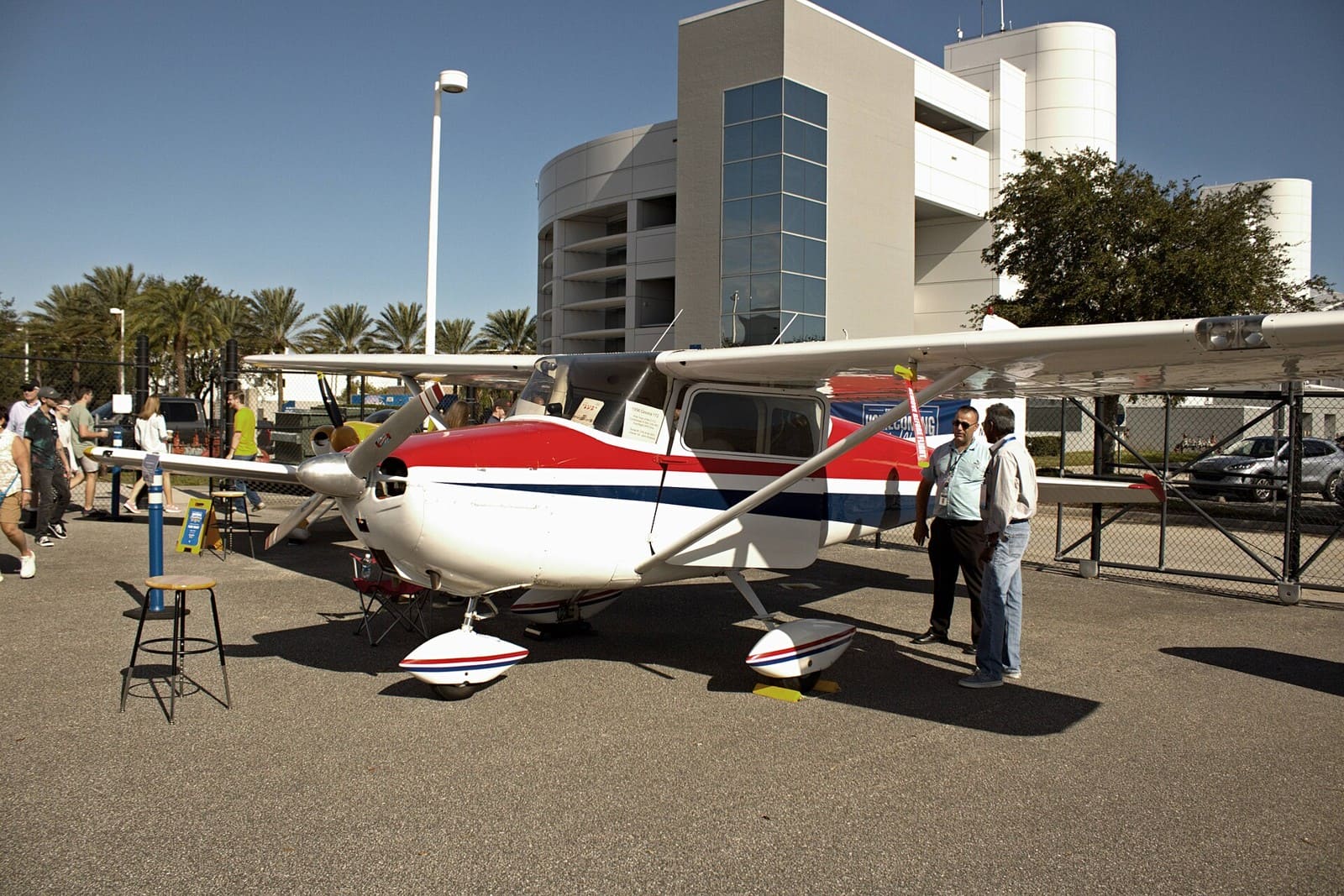
A hangar sprinkler discharge can affect an aircraft and nearby equipment. Record the event, notify the relevant insurance contacts and keep the technical assessment with qualified maintenance personnel.
Document what happened
Record the location, time, aircraft condition and available photographs. Identify the hangar operator and any known event reports. Avoid treating an early explanation as a confirmed cause. Follow the aircraft policy’s notice process and ask for instructions about inspection and further expenses.
Separate the insurance interests
The aircraft owner’s policy and the hangar operator’s possible responsibility are distinct questions. Review aircraft damage terms, deductibles and exclusions. Ask about equipment or property outside the aircraft schedule separately. Do not assume another party’s involvement removes your own policy’s reporting duties.
Keep the assessment traceable
Retain maintenance findings, estimates, storage charges and written approvals. Explain any change in the proposed repair scope. For example, a later inspection may identify effects that were not visible initially. Give the insurer updated facts and keep technical conclusions separate from coverage assumptions.
Prepare the BWI review
Gather the service description, locations, property values, staff roles, agreements, current policies and factual claims history. Explain proposed changes and the date they will start.
Compare the actual limits, deductibles, exclusions, insured parties and activities. Ask which requested terms are accepted and what remains outstanding. Keep the final documents and reporting instructions with the business records.
Request a commercial aviation insurance review from BWI for the operation described above. Availability and terms require an individual review.
Continue Reading

