
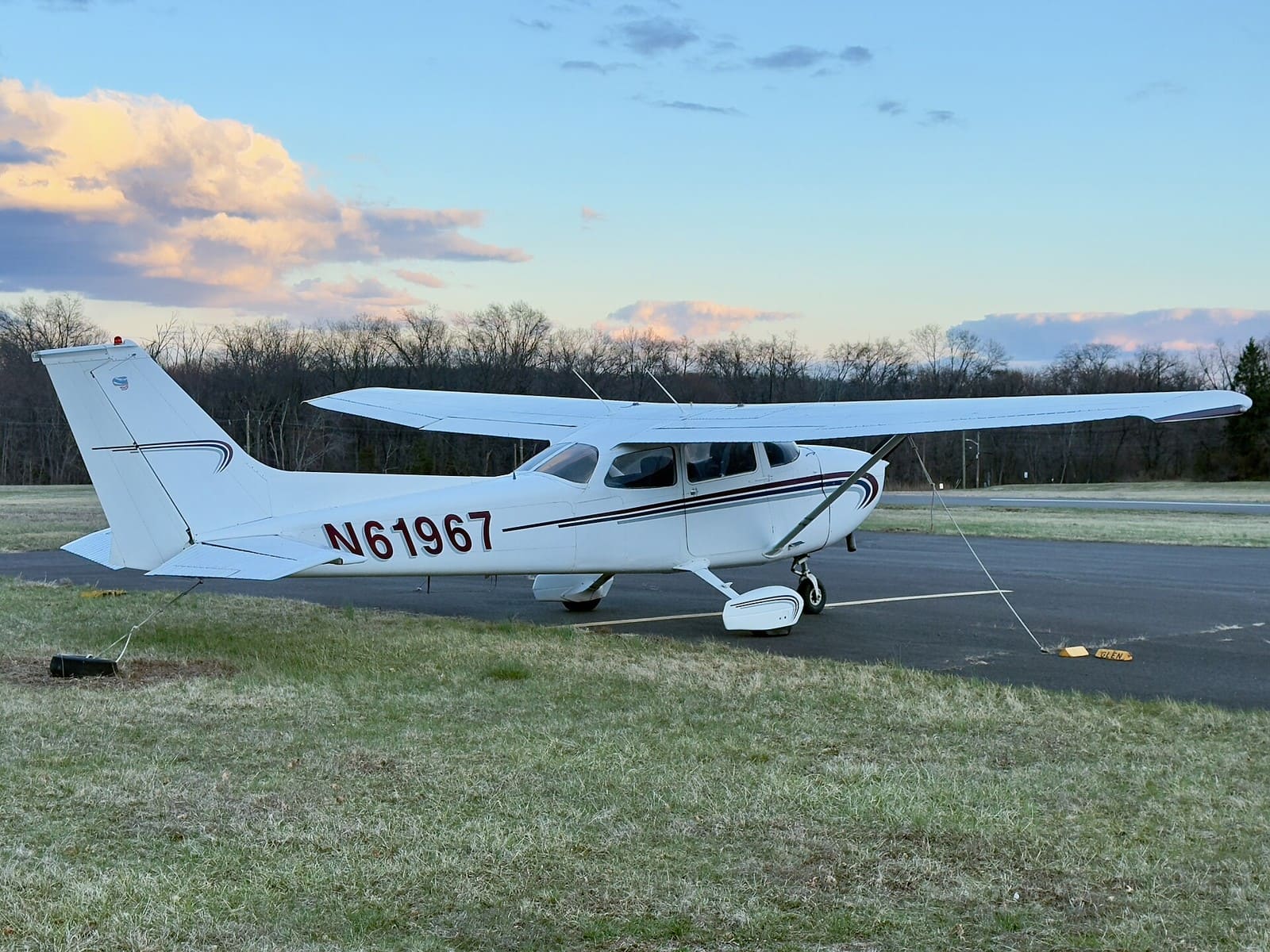
Before opening another flight school base, describe what will happen there and how it relates to the existing operation. Review the actual aircraft, people, premises and agreements before relying on the current policy.
Map the new operation
Identify the legal business, airport, opening date and proposed services. Describe instruction, rental, ground training and other activity. Compare that description with student agreements, booking systems and marketing so the submission reflects the service sold.
Allocate aircraft and instructors
List owned and leased aircraft and how they move between bases. Explain new leasebacks, maintenance and custody. Provide instructor and pilot roles, including employees and contractors. Ask which existing approvals or policy conditions must be revisited for the second location.
Review premises and opening conditions
Send the lease, airport requirements and relevant customer agreements. Describe classrooms, reception, equipment and visitors. Keep aviation permissions, airport acceptance and insurance confirmation separate. A certificate alone does not approve a new base.
Prepare the insurance review
Include premises, employees, equipment and outside providers in the wider business description. Gather current policies, values, contracts and factual claims records. Identify proposed changes and the date they are expected to start.
Compare offered limits, deductibles, exclusions, insured parties and activities. Record which requested terms remain unresolved. Ask about reporting duties and keep the final policy and endorsements with the business records.
Request a commercial aviation insurance review from BWI using the actual operation and the concerns described above. Confirm the available terms and any required conditions before relying on the proposal.
Continue Reading

