
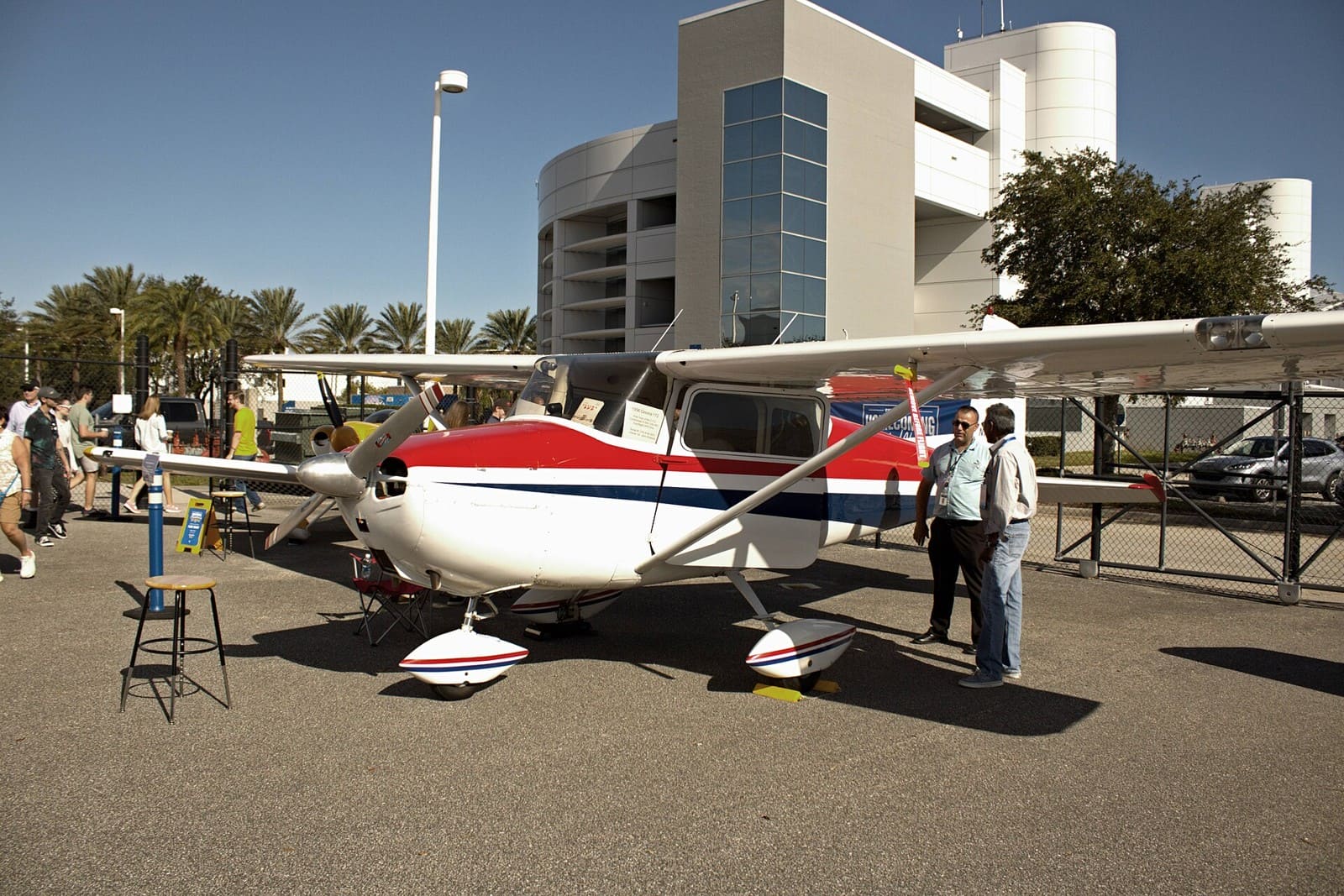
A static aircraft display can involve visitors, volunteers, transport and temporary custody. Define the event and review both aircraft-owner and organizer responsibilities before supplying insurance evidence.
Describe the display
Identify the owner, aircraft, venue, organizer and expected attendance. Explain whether visitors may approach, touch or enter the aircraft. Include movement, towing and storage arrangements. If flights or engine demonstrations are proposed, describe them separately rather than assuming they form part of a static display.
Review the different exposures
Ask about aircraft damage while displayed and liability involving visitors or property. Review the organizer’s event cover and the owner’s policy conditions. A venue’s requested certificate may involve additional requirements. Provide the full agreement so the requested limits and insured parties can be assessed.
Clarify custody and changes
Record who handles the aircraft and when responsibility changes. For example, leaving it overnight at the venue adds a storage period to the event. Give BWI updates to the schedule or activities and keep written responses, contact details and incident reporting instructions with the event file.
Prepare the BWI review
Gather the service description, locations, property values, staff roles, agreements, current policies and factual claims history. Explain proposed changes and the date they will start.
Compare the actual limits, deductibles, exclusions, insured parties and activities. Ask which requested terms are accepted and what remains outstanding. Keep the final documents and reporting instructions with the business records.
Ask BWI to review your aircraft insurance needs for the operation described above. Availability and terms require an individual review.
Continue Reading

