
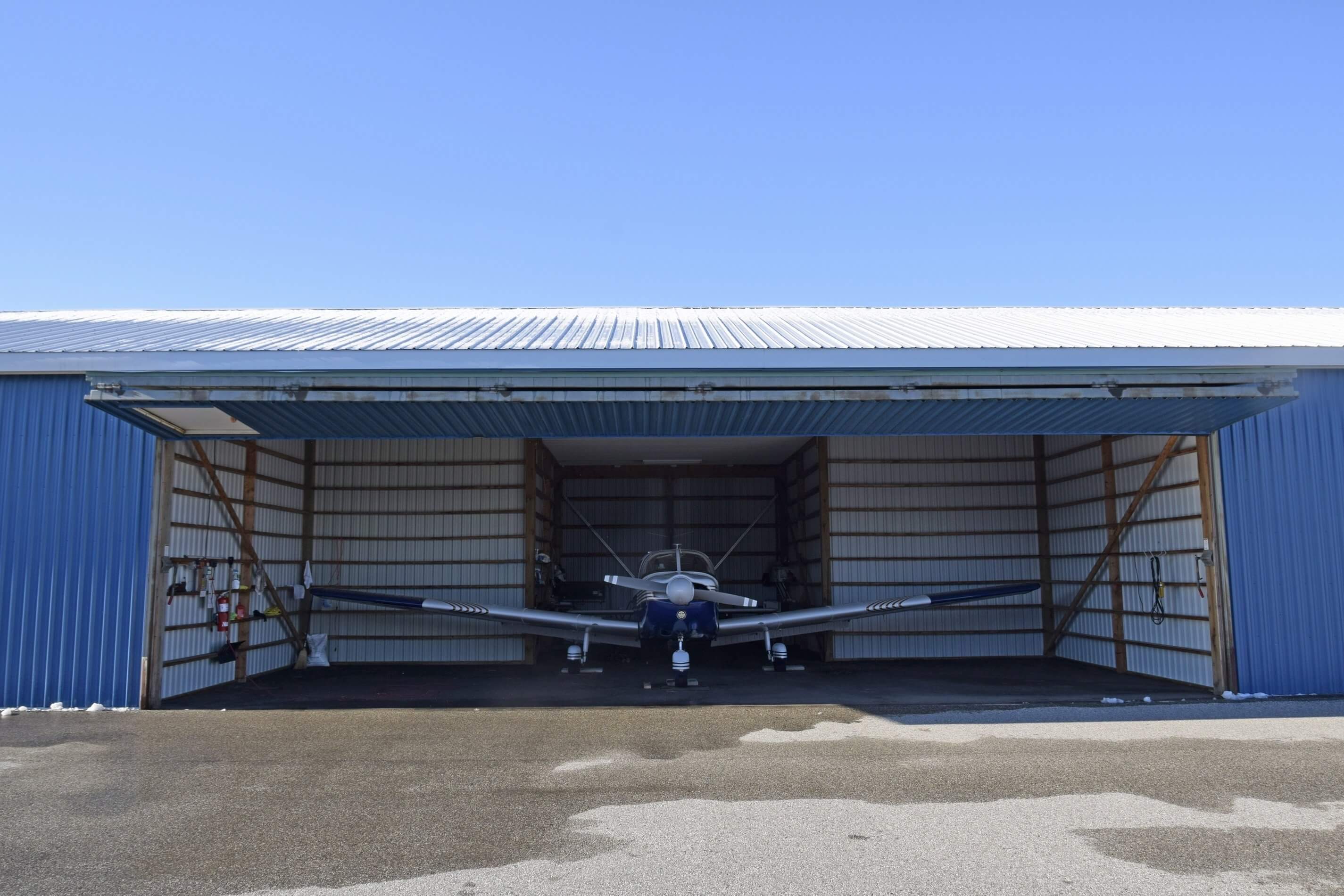
After a hangar fire, an aircraft may survive while its original logbooks do not. That creates two separate tasks: assessing the airplane and reconstructing the maintenance evidence. It also creates a specific insurance question about the records themselves and any related costs. Do not assume a hull limit automatically resolves it.
Start by preserving what remains, reporting the facts and obtaining the actual policy provisions that may apply. At BWI, we help owners organize coverage requests and identify the information needed for review. Get an aircraft insurance quote from BWI when reviewing future protection for aircraft records, and use the applicable claim reporting channels promptly for an existing fire loss.
Confirm Which Records Were Lost
List the airframe engine propeller and other records affected. Identify whether the originals were destroyed damaged or temporarily inaccessible. Separate maintenance logbooks from registration documents airworthiness documents pilot logs invoices and loose supporting records.
Record where the documents were kept and when they were last known to be present. Retain fire incident information photographs and any inventory of the affected storage area. Do not discard damaged fragments or containers before the relevant preservation review.
Avoid describing everything as lost paperwork. A clear inventory helps the insurer and qualified maintenance personnel understand the scope. It also prevents a surviving scan of one record from being mistaken for a complete backup of every aircraft document.
Separate Three Financial Questions
First consider physical damage to the aircraft from the fire. Second consider costs associated with reconstructing the records. Third consider any alleged reduction in value or inability to use the aircraft while records are incomplete. Those are different requests and may be treated differently in the policy.
Ask the reviewer to identify the provision and limit applicable to each requested category. If a logbook or records extension is relevant, review its scope deductible conditions and any sublimit. Do not assume the aircraft insured value makes every related expense payable.
Also distinguish an estimate from an accepted claim item. A specialist may propose a reconstruction project, but that proposal does not establish insurer authorization or coverage. Obtain the appropriate review before committing to work on the assumption it will be reimbursed.
Use a Reconstruction Source Map
The following map organizes potential evidence sources. It does not establish that any source can replace every missing entry or that reconstructed documents automatically meet all requirements.
| Possible source | Information it may contain | Limit to keep visible |
|---|---|---|
| Owner scans or photographs | Copies of prior entries and supporting documents | Check date completeness legibility and all pages |
| Maintenance facilities | Work orders invoices retained entries and inspection records | A billing record may not equal the complete maintenance entry |
| Individual mechanics | Copies notes and details of work performed | Identify the source and what can be verified |
| Component service providers | Engine propeller and accessory work records | Connect the records to the correct serial numbered component |
| FAA aircraft records | Registration and filed airworthiness documents | Not a complete central copy of private maintenance logs |
| Prior transaction files | Inspection reports equipment lists and copied records | May describe an earlier date rather than current status |
Use Current FAA Guidance for the Technical Process
The FAA maintenance records guidance AC 43 9D addresses lost or destroyed records. It discusses research from other records and the challenges of establishing required status information. Qualified maintenance personnel should determine what evidence and work are needed for your aircraft.
Do not simply recreate a neat book with unsupported entries. Distinguish verified copies researched information and unresolved gaps. The technical record needs to show what is supported rather than hide uncertainty behind a new cover.
Old articles may cite an earlier version of the advisory circular. Use the current official resource with the applicable regulations and qualified guidance. Insurance payment for some reconstruction work would not by itself establish that the completed records satisfy every operational requirement.
Understand What FAA Aircraft Records Can Provide
The FAA aircraft records request page describes its repository of registration records and airworthiness documents received from field offices. It can be a useful source for the reconstruction effort.
Do not assume the FAA holds a duplicate of every maintenance logbook entry. Ask the person directing the technical review to identify which filed records are relevant and what information must come from private sources. This avoids waiting for a records request to solve a different documentation gap.
Keep copies of the source materials separately from the reconstruction summary. A future reviewer should be able to identify where information came from without relying on an owner recollection of conversations after the fire.
Coordinate the Reconstruction Scope With the Claim Review
Obtain a written proposal describing the records to be researched the expected deliverables and the basis for estimated work. Separate document collection from inspections or repeated maintenance that may be required because status cannot be established.
Provide that scope to the appropriate insurance parties and ask what authorization or supporting evidence is needed. Keep any accepted claim instructions with the proposal. Do not assume approval to gather copies includes approval for every later inspection or component action.
If additional gaps emerge, update the scope and communicate before expanding work undertaken on an insurance payment assumption. The goal is a traceable review of the actual needs, not a general promise that whatever reconstruction costs will be covered.
Do Not Treat Record Reconstruction as an Airworthiness Release
The aircraft physical condition and its required maintenance evidence need separate qualified assessment. An undamaged exterior does not establish that the airplane may be flown after a fire or with incomplete records.
Likewise, obtaining an insurance statement about coverage does not determine the aircraft technical status. Have qualified personnel evaluate the effects of the fire and the documentation needed before operation. This article does not provide flight release instructions.
If the aircraft must move for storage or inspection, describe the proposed method and location to the insurance reviewer. A ground relocation and a ferry flight involve different plans. Keep the accepted policy description aligned with the actual recovery activity.
Keep Value Questions Evidence Based
Missing records can raise valuation questions, but do not assign a universal percentage reduction. The effect depends on the aircraft records recovered unresolved status and the transaction context. A professional valuation may need to explain its assumptions clearly.
Ask whether the policy addresses any claimed diminution or other economic loss and what evidence is required. Do not merge that request with the cost of reconstructing documents. A policy provision addressing one category does not necessarily establish another.
For future coverage decisions, review records protection before a loss. Our aircraft insurance overview provides broader owner coverage context. The specific request should identify logbooks and supporting records rather than assuming every document is included as aircraft equipment.
A Hypothetical Fire With Partial Scans
Imagine an owner whose original airframe and engine books were stored in a hangar office destroyed by fire. The owner has scans ending before the latest maintenance visit, and the last shop retains some records. This is a planning example not a customer case or claim outcome.
The owner identifies the gap dates and gathers the scans and shop records without assuming they form a complete replacement. Qualified maintenance personnel review what can be established and what remains unresolved. The insurer receives a specific reconstruction proposal and the relevant evidence of the fire.
If an inspection is proposed because a required status cannot be verified, that is identified as a separate work item. The owner obtains the appropriate technical and insurance review instead of assuming a quote for document research already approved every downstream expense.
Create a Better Backup After Reconstruction
Keep accessible copies away from the original storage location. Check that scans are legible complete and connected to the correct aircraft and components. Include new entries in a consistent update process rather than relying on a one time archive.
Do not assume any digital folder automatically satisfies recordkeeping requirements. The person responsible for compliance should review the required information signatures and retention arrangements. A backup is most useful when it can be located and understood during an actual loss.
Maintain an index of original and duplicate records and who holds them. If a shop temporarily receives original books, document the transfer and obtain their return. These practical controls help preserve evidence without promising that any storage method eliminates fire or loss risk.
Lost Logbook Review Checklist
- List exactly which originals and supporting records were affected.
- Preserve remnants photographs and fire incident evidence.
- Review aircraft damage record reconstruction and value requests separately.
- Map available copies and private and FAA source records.
- Obtain qualified technical review of unresolved status.
- Provide a defined reconstruction scope for insurance review.
- Retain source attribution authorizations invoices and changed scope records.
- Establish a complete accessible backup process after reconstruction.
Frequently Asked Questions
Does Aircraft Insurance Automatically Cover Lost Logbooks?
Do not assume that it does. Review the actual records provisions and applicable limits conditions and exclusions. Describe the fire and documents affected so the answer concerns the specific loss rather than the aircraft hull limit alone.
Will the FAA Replace Every Maintenance Entry?
The FAA repository contains specified registration and filed airworthiness records, not necessarily every private maintenance entry. Use it as one source and gather records from shops mechanics and surviving copies. Qualified personnel should assess what remains missing.
Can I Fly if the Aircraft Was Not Burned?
Obtain qualified assessment of the aircraft and required records before operation. Physical appearance insurance acceptance and technical readiness are separate questions. Do not treat an intact airframe or a reconstructed cover page as a flight release.
Does Reconstruction Restore the Full Aircraft Value?
No fixed outcome should be promised. The information recovered unresolved gaps aircraft condition and market context can matter. Keep reconstruction costs separate from any valuation claim and review what the actual policy addresses.
Should I Hire a Reconstruction Service Immediately?
Gather facts promptly but review the proposed scope and any claim authorization requirements before assuming reimbursement. A useful proposal identifies sources deliverables and work beyond document collection. Update the review if new gaps change the scope.
Are Scanned Copies Enough?
Check completeness legibility attribution and applicable recordkeeping requirements with qualified guidance. Scans can be important evidence, but do not assume a partial folder establishes every required status. Preserve the source information and identify missing periods honestly.
Get a Quote From BWI for Aircraft Records Protection
At BWI, we help owners organize aviation insurance requests around the aircraft and specific interests involved. When reviewing future protection, identify logbooks supporting records and the coverage questions you want addressed rather than relying on a general hull description.
For an existing fire loss, report promptly through the applicable process and preserve the available records. Bring the current policy missing document inventory and proposed reconstruction scope so the review can address identifiable facts.
Get an aircraft insurance quote from BWI or call 866 788 6291. Tell us whether you are planning records protection or reviewing coverage after a hangar fire so the next steps fit your situation.
Continue Reading