
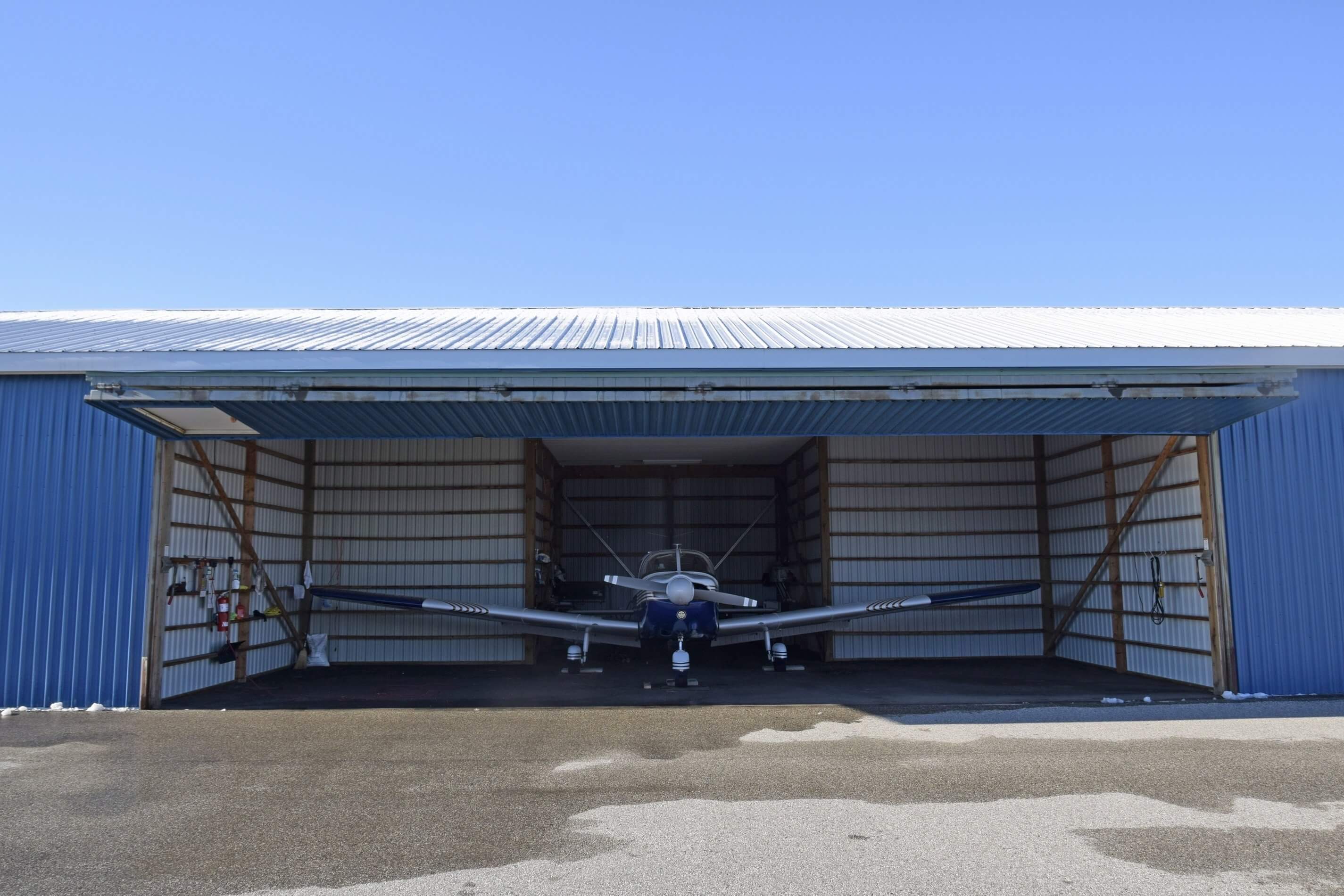
You arrive for an update and discover that the repair shop has closed with your aircraft still inside. The immediate problem may be access rather than physical damage. Before making assumptions about an insurance claim or arranging removal, establish who controls the premises and what condition the aircraft and records are in.
Keep three questions separate: your legal right to obtain the property, its technical readiness to move and the insurance applicable to the actual facts. At BWI, we help owners organize the insurance side of that review. Get an aircraft insurance quote from BWI if the closure changes the aircraft location custody or intended activity, and report suspected damage through the applicable claim channels promptly.
Establish the Facts Before Treating the Aircraft as Lost
Confirm what closed and who currently controls the facility. A temporary shutdown sale receivership bankruptcy or landlord access dispute can involve different processes. Do not rely solely on a social media post or an unanswered telephone. Record the source of each confirmed fact.
Locate the aircraft and identify whether engines propellers avionics or other components are held elsewhere. Obtain the most recent work status and inventory if available. An airplane on a shop floor may be incomplete even when an old schedule said the work would be finished.
If there is an immediate threat to property or safety, communicate it to the appropriate responsible parties. Keep access and preservation efforts within lawful authority. An insurance discussion does not grant permission to enter locked premises or remove property.
Build an Access and Preservation Contact Plan
Identify who can answer each question and retain their contact details. The table helps organize the response without assigning legal authority to someone merely because they have a key.
| Question | Contact to identify | Record to retain |
|---|---|---|
| Who controls access | Shop principal authorized representative landlord or court appointed party as applicable | Written authority and access arrangements |
| What property is present | Authorized custodian and qualified technical representative | Aircraft and component inventory |
| What work is complete | Responsible maintenance personnel and available records | Work status and outstanding tasks |
| What insurance may apply | Owner broker insurer and relevant shop contact | Policy details notice and claim references |
| What legal process applies | Owner legal adviser | Instructions on rights liens or court procedures |
| How to move safely | Qualified maintenance and transport personnel | Technical plan and accepted insurance arrangements |
Gather Ownership and Work Documents
Collect registration ownership documents purchase records work orders invoices payment confirmations and correspondence. Identify the legal owner rather than relying only on the person who usually flies the airplane. Include lender or lessor information where relevant.
Prepare an inventory of property entrusted to the shop, including loose equipment and original logbooks. Distinguish items owned by the shop or other customers from yours. Serial numbers and dated photographs can help avoid confusion when several aircraft are being released.
Provide the documents to legal counsel for questions about possession disputed bills or claimed liens. The FAA clear title guidance explains that state law determines lien and security interests. A registration record alone should not be treated as a ruling on every access or payment dispute.
Review Insurance Without Assuming Closure Is Physical Damage
The closure of a business and physical loss or damage to an aircraft are different facts. Identify what actually happened to the property and what coverage is being considered. Do not assume an aircraft hull policy guarantees completion of repairs repayment of deposits or access to a closed building.
If theft damage or another potential insured event is suspected, preserve the evidence and contact the appropriate insurance parties. Supply the location known condition custody and timeline. Avoid deciding the claim outcome yourself from the fact that the shop is no longer operating.
Also obtain relevant shop's insurance information where available. The shop having a certificate does not establish that its policy will address every consequence of closure. Review owner's protection and any potential liability claim as separate questions based on the actual documents.
Keep the Owner Policy Under Review
Do not cancel owner coverage merely because the aircraft cannot currently fly. Review the location storage custody incomplete work and intended movement with the insurer through the appropriate process. A nonflying aircraft still presents property and liability questions.
If a policy change is proposed, understand the accepted activities and conditions. A reduction to ground protection should not be treated as authorization for a later ferry or test flight. Keep the actual status visible so the insurance arrangement follows the recovery plan.
Policy renewal may arrive while access remains unresolved. Explain the situation accurately in the submission rather than repeating an old description that the aircraft is in normal service. Retain correspondence showing the facts supplied and accepted terms.
Separate Lawful Release From Technical Readiness
Obtaining permission to collect the aircraft does not establish that it can be flown. Qualified maintenance personnel need to assess the work status and required documentation. An aircraft that looks complete may still have unresolved tasks or missing records.
If road transport is proposed, identify who will disassemble load move and receive the aircraft. Review that activity with the relevant insurance parties before the move. Do not assume a policy response about storage automatically extends to an improvised transport arrangement.
If a flight is proposed, obtain the appropriate technical and regulatory review and confirm pilot and use conditions. The owner urgency to recover the aircraft is understandable, but a legal release and an insurance certificate are not technical dispatch approvals.
Address Bankruptcy or Receivership Through Counsel
If a formal proceeding exists, obtain accurate case information and the authorized contact through appropriate channels. Have legal counsel determine the process for access release records and any claim concerning deposits or property. Do not assume the procedure is the same for every closure.
The US Courts bankruptcy resources describe general bankruptcy processes. They do not determine the ownership or release rights for your aircraft. Use qualified legal assistance for the specific facts and jurisdiction.
Keep the insurance parties informed of relevant developments without asking them to resolve the legal possession dispute. The practical objective is coordinated information: counsel addresses authority and rights qualified personnel address technical status and the insurer reviews the insurance contract.
Preserve Records Before They Disappear
Ask the authorized custodian to preserve work records photographs component tags correspondence and original logbooks relating to your aircraft. Identify which records have been supplied and which remain missing. Retain copies of your requests.
Where a component is at a subcontractor, obtain that location and status separately. The main shop closure may not mean every part is inside the same building. A complete property map makes recovery planning and the insurance review more precise.
Avoid creating an inaccurate completion record to expedite removal. Qualified personnel should determine what can be documented based on actual work and evidence. Insurance communication should preserve uncertainty rather than convert an incomplete file into a statement that all repairs were finished.
A Hypothetical Closed Shop Recovery
Imagine an owner whose aircraft is undergoing maintenance when the shop stops operating. The airframe is inside the hangar, one component is with another facility and the work order remains incomplete. This example illustrates coordination and does not describe a customer or legal result.
The owner gathers the work and ownership records, identifies the authorized access contact and obtains legal guidance. A qualified maintenance representative inspects the available property through an agreed access process. The insurance review addresses the current location and any proposed ground transport.
When access becomes available, the owner does not assume the airplane is ready to fly. The recovery record identifies the component locations outstanding work and missing documents. That factual account supports the next technical and insurance decisions without promising a claim payment or a particular release outcome.
Closed Shop Response Checklist
- Confirm the closure facts and authorized premises contact.
- Locate the aircraft components equipment and original records.
- Gather ownership work order payment and insurance documents.
- Obtain legal advice on access disputed charges and any formal proceeding.
- Report suspected insured damage through the applicable channels.
- Keep the owner's policy description current while recovery is arranged.
- Separate lawful release from technical readiness and transport planning.
- Retain condition records and accepted insurance changes for the next move.
Frequently Asked Questions
Does Aircraft Insurance Pay Because the Shop Closed?
Do not assume closure alone is an insured physical loss. Identify the actual damage or other event and the coverage being reviewed. Deposits incomplete work and access disputes can involve different issues that need their own contract and legal analysis.
Can I Rely on the Shop's Insurance?
Obtain the relevant information but do not treat a certificate as a guarantee of payment. The shop policy terms legal responsibility and facts matter. Review your own aircraft protection separately while the property remains at the facility.
Should I Cancel Coverage Until I Recover the Plane?
Review the actual storage custody and movement exposure before issuing cancellation instructions. The aircraft being unavailable for flight does not eliminate every insurance concern. Any change should reflect the accepted plan and conditions.
Can the Landlord Release My Aircraft?
Determine who has lawful authority with legal counsel and the relevant parties. Possession of keys or control of a building does not by itself resolve every right involving the aircraft. Retain documented access and release arrangements.
Can I Fly It Away Once It Is Released?
Release and flight readiness are different questions. Qualified personnel need to assess maintenance status records and regulatory requirements. Also confirm the relevant insurance pilot and use conditions before any planned flight.
What If the Logbooks Are Missing?
Document what is missing and request preservation and return through the appropriate process. Gather copies and work records from other sources. Technical record reconstruction and any insurance claim should be reviewed separately rather than assuming one automatically solves the other.
Get a Quote From BWI When Repair Shop Closure Changes Your Aircraft Plans
At BWI, we help aircraft owners organize the facts needed for an insurance review. If a repair shop closure changes your aircraft location, custody or movement plans, send the current policy work status and proposed recovery sequence.
For suspected damage, follow the applicable reporting process promptly and preserve the available evidence. Our aircraft insurance overview provides broader owner coverage context while legal access and technical readiness remain with the appropriate qualified advisers.
Get an aircraft insurance quote from BWI or call 866 788 6291. Tell us where the aircraft is held what is known about its condition and whether storage transport or a later flight needs review.
Continue Reading